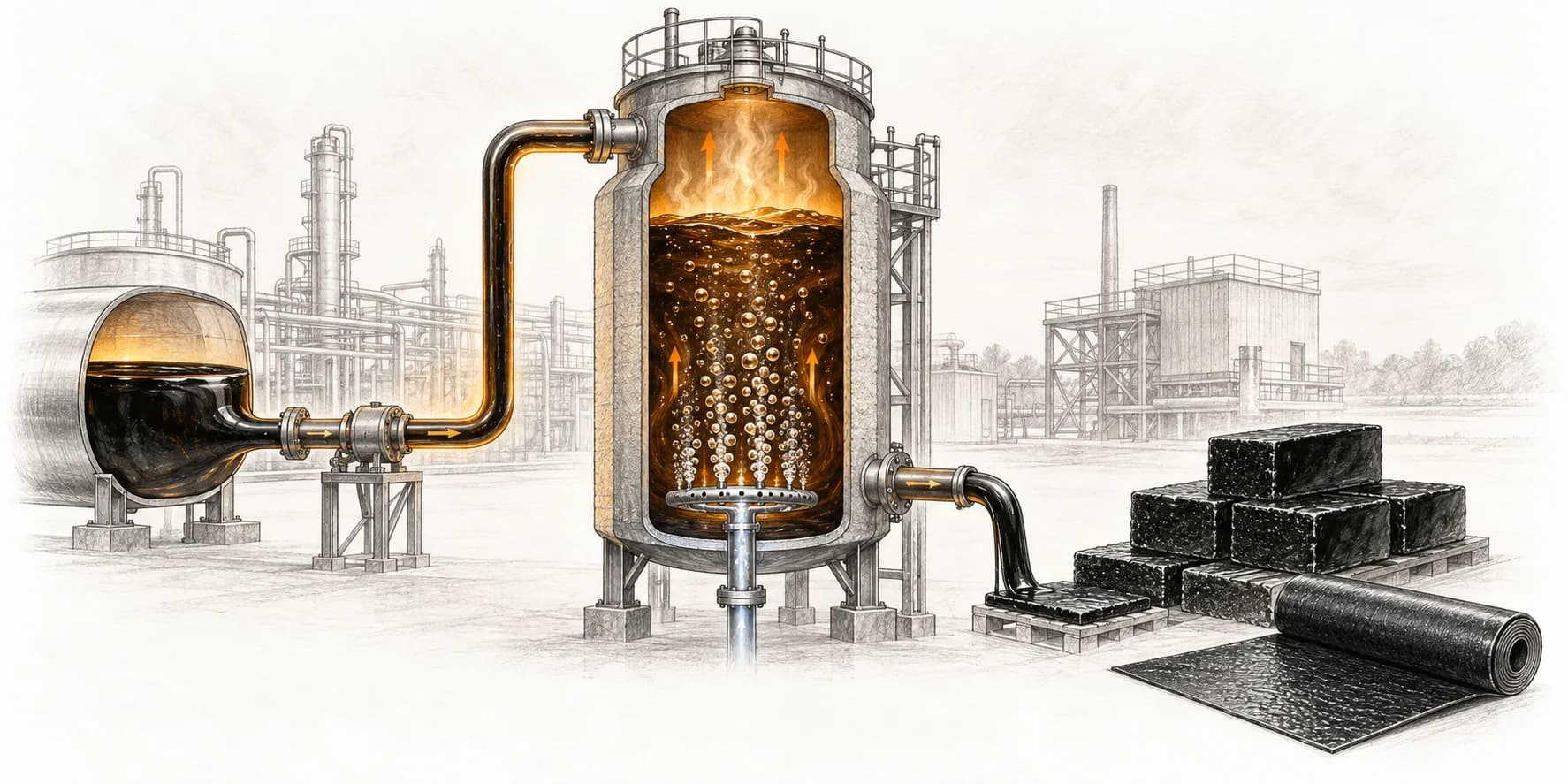
Polymer Modified Bitumen (PMB) 70 is a type of asphalt binder modified with polymers to enhance its performance characteristics, especially in terms of elasticity, durability, and resistance to deformation.
Polymer Modified Bitumen (PMB) 70 is a type of asphalt binder modified with polymers to enhance its performance characteristics, especially in terms of elasticity, durability, and resistance to deformation.
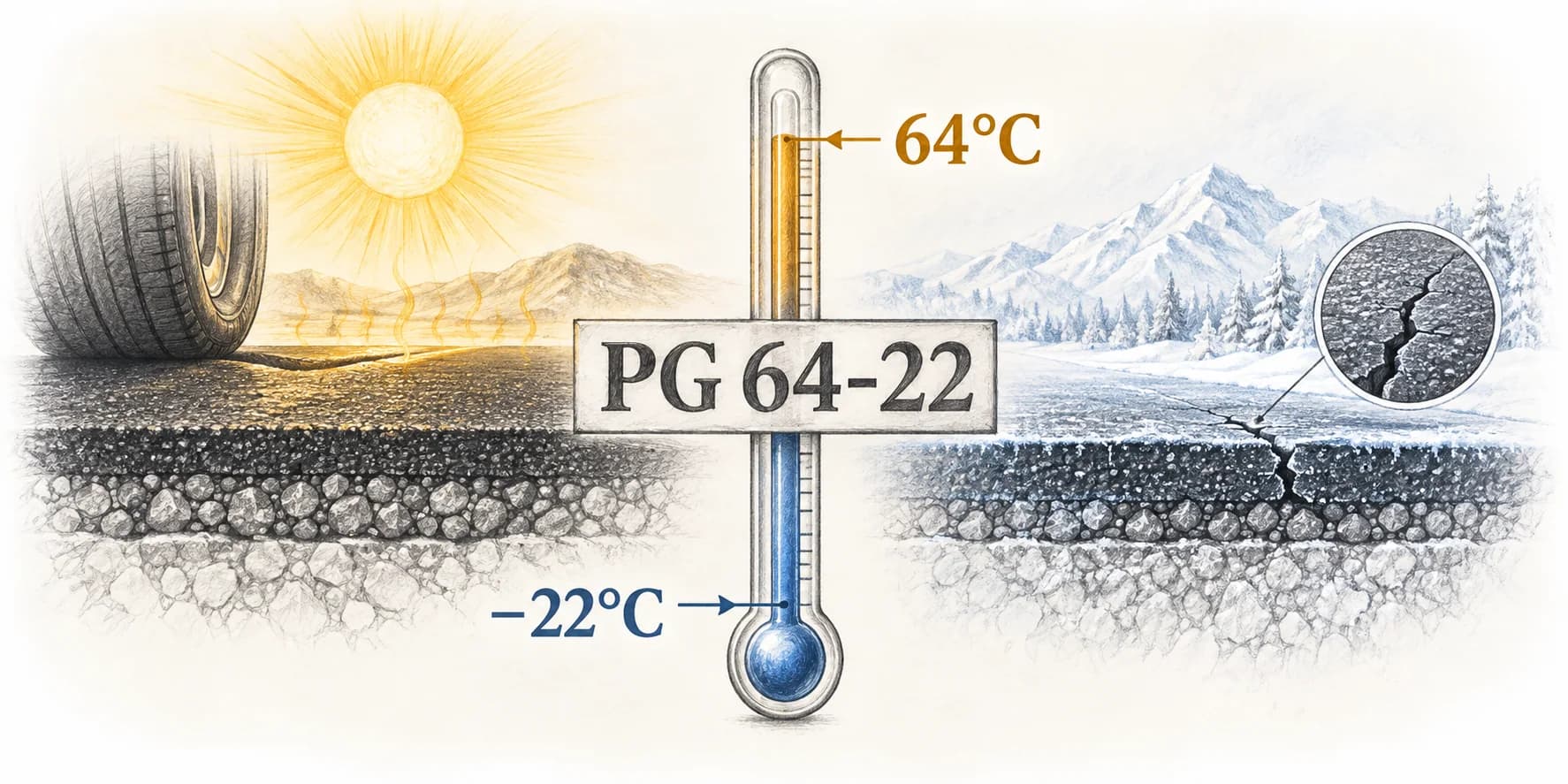
High temperature performance: Designed to perform effectively at temperatures up to 70 °C. This makes it resistant to rutting and deformation under hot conditions, such as in high-temperature regions or during hot summers.
Improved flexibility: Provides increased flexibility, allowing it to better withstand thermal stresses and prevent cracking.
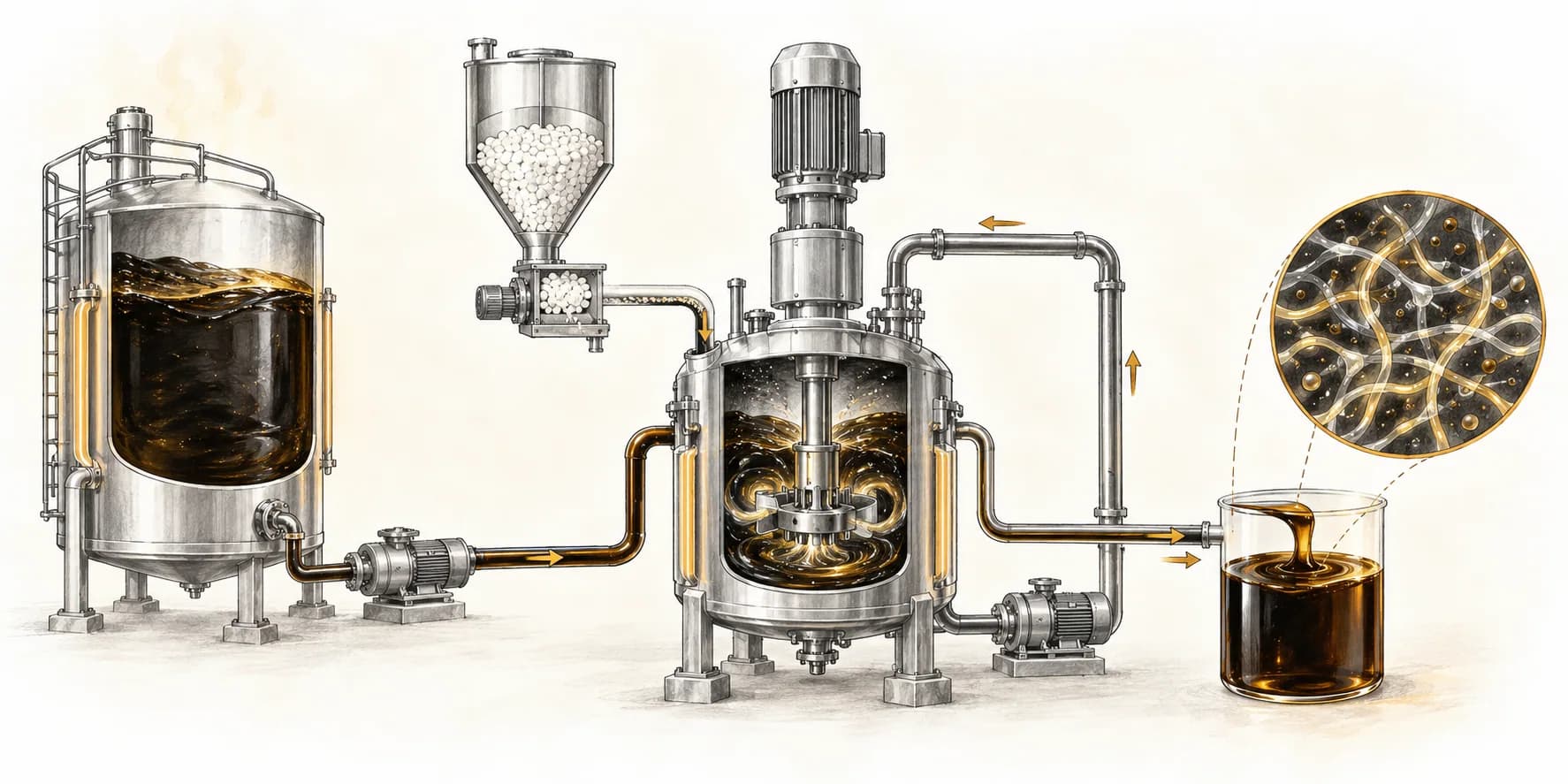
Polymer modification: Typically modified with elastomers like styrene-butadiene-styrene (SBS) or other polymer additives, which enhance the elasticity, cohesion, and durability of the bitumen. This modification helps improve its resistance to cracking and rutting.
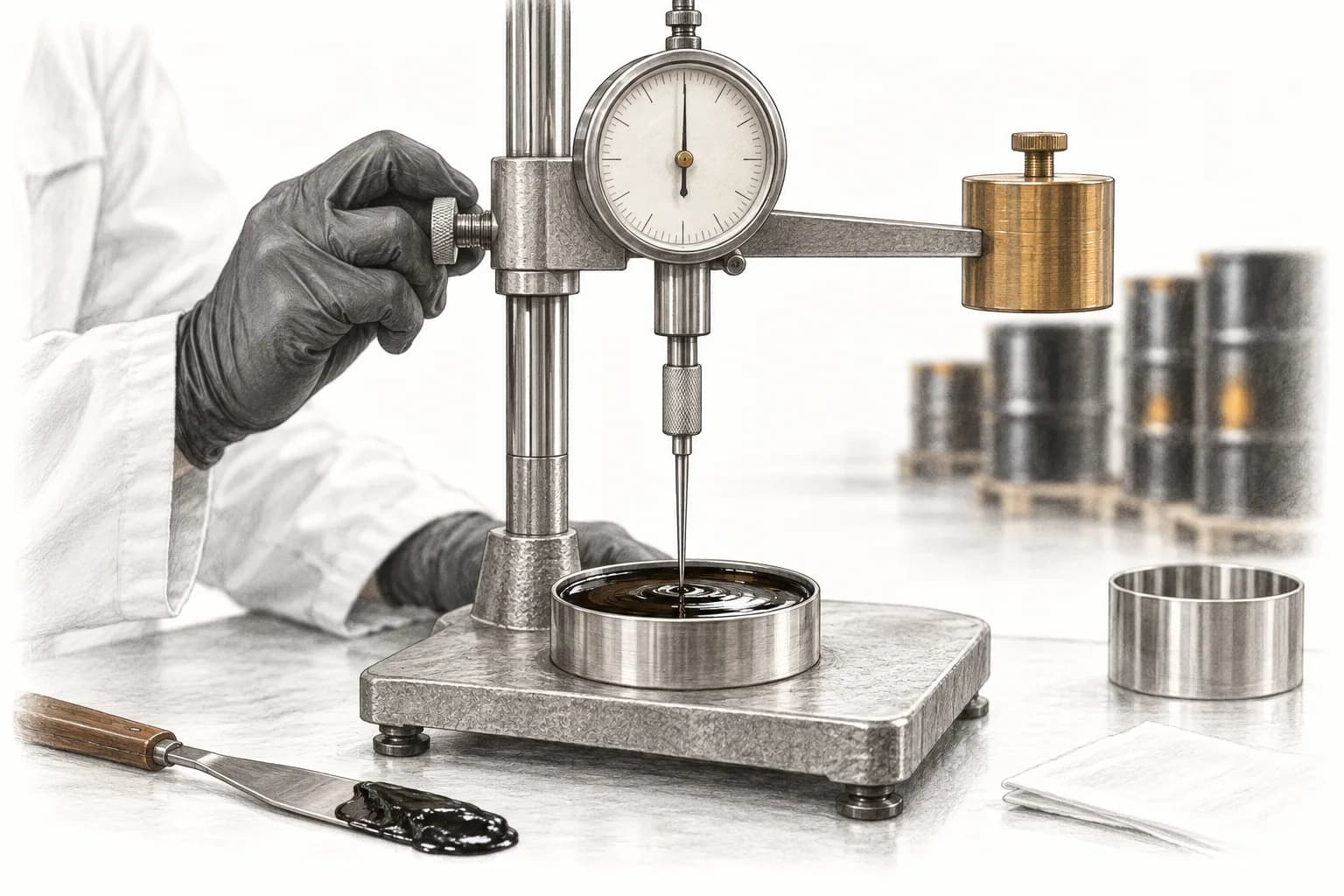
PMB 70 is a penetration-classified PMB, supplied to IS 15462:2004: penetration 50–90 (0.1 mm) to ASTM D5, softening point to ASTM D36 and elastic recovery to ASTM D6084.
Share the grade, modification type and standard your project names and our team will confirm the fit and the supply arrangement.
Identity
Standard
IS 15462:2004
Softening point
55 °C min
Elastic recovery at 15 °C
40% min
Polymer modified bitumen · IS 15462:2004Why PMB 70
SBS, plastomer and CRMBPolymer modified grades for high-stress pavements, selected by the modification and performance the project specifies.
Elastic recovery on the CoAThe Certificate of Analysis reports elastic-recovery and storage-stability results for the released batch.
Full shipping documentationA Certificate of Analysis travels with every shipment, with elastic-recovery and storage-stability results. Certificate of Origin and MSDS are arranged on request.
Three UAE load portsFOB is quoted from Jebel Ali, Port Khalid or Sharjah Hamriyah; CFR and CIF destination-port offers are available on request.
Packed for your siteNew steel drums, jumbo bags where compatible, or bulk for buyers with heated tanks and recirculation.
Trade risk handledThe Nuroil team manages transport, insurance, logistics and foreign-currency payments, and can discuss financing options with overseas buyers.
What Nuroil does on every order
Why source PMB 70 from Nuroil?
Tested for elastic recovery
Elastic recovery and storage stability on every batch, reported on the Certificate of Analysis.
Grade plus modifier
Share the grade or EN 14023 class and the modification type; SBS, plastomer and crumb rubber are not interchangeable.
Drum to bulk
New steel drums, jumbo bags where compatible, or bulk for receivers with heated tanks and recirculation.
FOB, CFR or CIF
FOB Jebel Ali, Port Khalid or Hamriyah; CFR and CIF on request.
02 TECHNICAL DATA
Catalogue specification.
Penetration at 25 °C, 100 g, 5 s
50–90 (0.1 mm)ASTM D5
Softening point (ring and ball)
55 °C minASTM D36
Fraass breaking point
−16 °C maxEN 12593
Flash point, Cleveland open cup
220 °C minASTM D92
Elastic recovery at 15 °C
40% minASTM D6084
Separation, difference in softening point
3 °C max
Rolling thin-film oven test (RTFOT)
Residue conditioningASTM D1754
Loss on heating, after RTFOT
1.0% wt maxASTM D6
Increase in softening point, after RTFOT
6 °C maxASTM D36
Drop in penetration, after RTFOT
35% maxASTM D5
Elastic recovery at 25 °C, after RTFOT
35% minASTM D6084
PMB 70 beside the grades nearest to it. Higher softening points and elastic recovery suit hotter, heavier-duty pavements; choose by the standard, climate and traffic your project names.
Property
PMB 40
PMB 70This page
PMB 64-10
PMB 70-10
Classification
Penetration-classified PMB
Penetration-classified PMB
Performance-classified PMB
Performance-classified PMB
Penetration at 25 °C (0.1 mm)
30–50
50–90
Not in the table
Not in the table
Softening point
60 °C min
55 °C min
60 °C min
65 °C min
Elastic recovery at 15 °C
30% min
40% min
70% min
70% min
Fraass breaking point
−16 °C max
−16 °C max
−10 °C max
−10 °C max
Flash point
220 °C min
220 °C min
230 °C min
230 °C min
Typical use
Highways, urban roads, bridges and runways
Major roads, bridges and urban areas
High-traffic roads, bridges and runways
High-traffic roads, bridges and runways
03 APPLICATIONS
Where it is used.
01
Highways and major roads
Widely used in high-traffic highways and roads due to its resistance to rutting at high temperatures and heavy traffic loads. It enhances road durability and reduces maintenance needs.
02
Bridges and elevated structures
Ideal for bridges and overpasses, which are exposed to temperature fluctuations and high traffic. The enhanced flexibility helps prevent cracking.
03
Urban roads and industrial areas
Suitable for urban roads and industrial zones where heavy vehicles frequently travel. PMB 70’s resistance to deformation makes it a preferred choice for these areas.
04
Airport runways and taxiways
Used in airport pavements where high resistance to rutting and cracking is necessary due to the heavy loads from aircraft and high-temperature exposure.
05
Warm and hot climate regions
PMB 70 is suitable for regions that experience warm to hot climates, as it can withstand high temperatures without losing its structural integrity.
04 SAFETY & HANDLING
Not classified cold. Handled hot, with care.
Polymer modified bitumen is stored, pumped and loaded hot. The Safety Data Sheet for the offered grade decides its classification; review it before first handling.
Not classified
GHS Generally not classified as hazardous when cold. Check the SDS for the offered grade.
Hot product Handled hot: contact causes severe burns, and hydrogen sulphide can collect in tank headspace. Per SDS.
UN
Not regulated cold · UN 3257 when shipped hot, per SDS
Transport
Elevated temperature liquid, Class 9, when hot · per SDS
01
Hot product burns
Contact with hot bitumen causes severe burns. Wear heat-resistant gloves, face protection and covering clothing when handling it hot.
02
Hydrogen sulphide in the headspace
H₂S can collect in the headspace of heated tanks and tankers. Ventilate and test the atmosphere before opening or entry, per SDS.
03
Avoid overheating
Overheating can degrade the polymer and erase performance benefits. Keep to the grade-specific temperature range.
04
Follow the SDS
Use the specified PPE, ventilation and hot-binder precautions. Classification, first aid and fire-fighting measures are on the Safety Data Sheet for the offered grade.
Protect the polymer network.
In storageAgitated or recirculated
Extended storage without agitation can allow polymer separation. Large-volume storage should have suitable recirculation or stirring and follow the grade-specific temperature range.
Maintain circulationPeriodic agitation or recirculation limits separation during storage.
Control temperatureOverheating can degrade the polymer and erase performance benefits.
Confirm compatibilityValidate aggregate and additive compatibility before full-scale use.
Follow the SDSUse the specified PPE, ventilation and hot-binder precautions.
Standards and test methods.
HS code2713.20
Transport, coldNot regulated
Transport, hotUN 3257
IS 15462:2004
Indian standard for polymer modified bitumen, as stated on the grade’s specification
ASTM D5 / ASTM D36
Penetration and ring-and-ball softening point
ASTM D6084
Elastic recovery
EN 12593
Fraass breaking point
ASTM D92
Flash point, Cleveland open cup
ASTM D1754 / ASTM D6
Rolling thin-film oven residue and loss on heating
Road-authority specification
May add national or project-specific limits; confirm the exact standard, grade and edition before ordering
05 PACKING OPTIONS
Drums, jumbo bags or bulk.
Packing availability is confirmed for PMB 70 and the offered source. Container loads in the planner are typical planning figures; the offer confirms them.
Small quantities
Drums
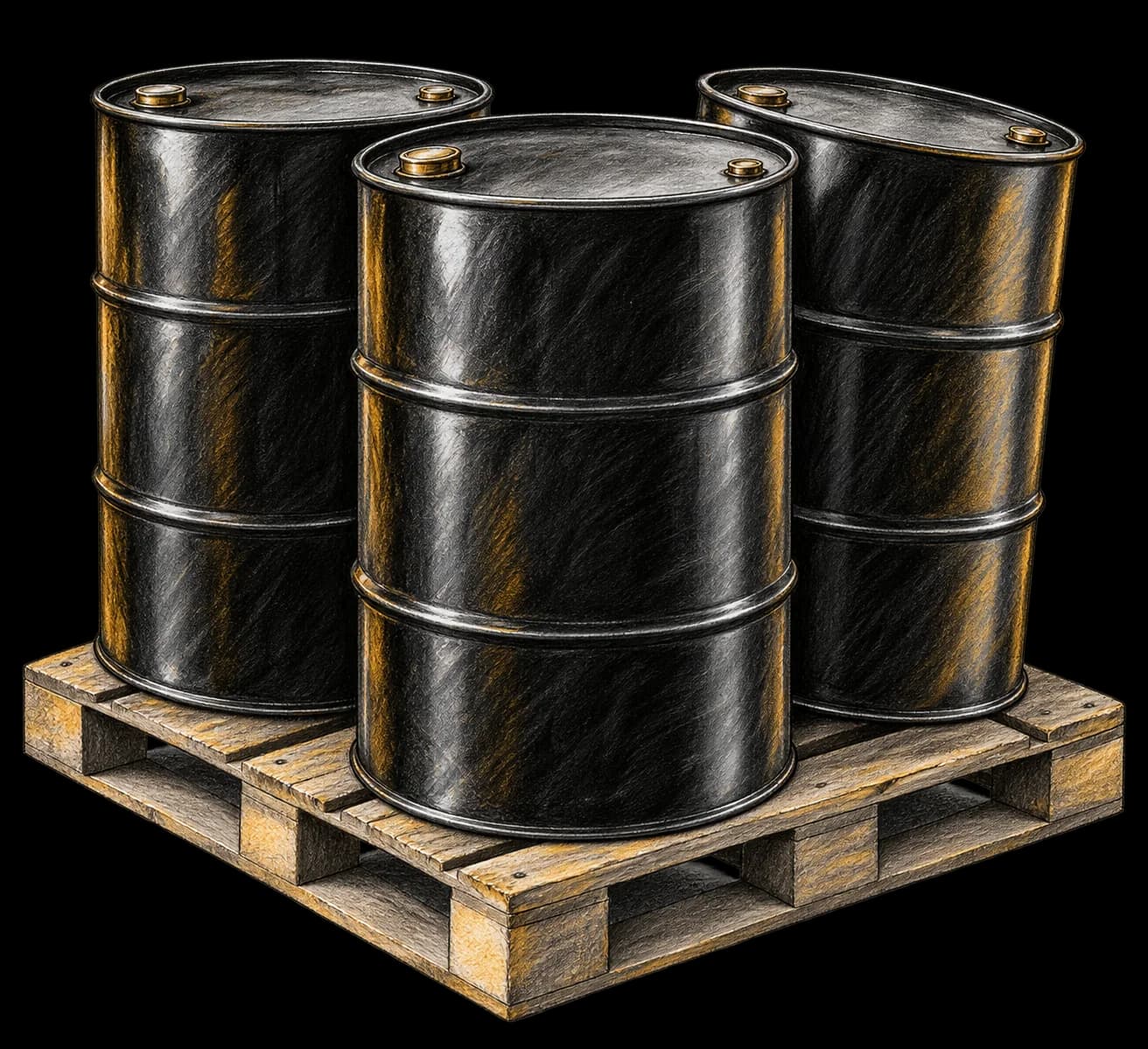
New steel drums of 200, 180 or 156 kg, or customised, for containerised supply with controlled heating at destination.
Typical loads used for planning. Your offer confirms the exact packing and load for the product and source.
720 ft containers
drums
556
Last 20 ft container
94% full
Minimum orderBy grade and packingShare your requirement; feasibility is confirmed with the quote
BulkTank containerFor receivers with heated tanks and recirculation
DocumentsCoA with every batchSDS and Certificate of Origin on request
06 BEFORE YOU ORDER
Frequently asked questions.
01What does “PMB 70” mean?
PMB 70 is classified by penetration: 50–90 (0.1 mm at 25 °C), with a softening point of 55 °C min and elastic recovery at 15 °C of 40% min.
02What is the difference between SBS, plastomer and crumb-rubber modification?
SBS provides strong elastic recovery; plastomers such as EVA or PP improve high-temperature stiffness; crumb rubber uses recycled tyre rubber for a cost-conscious modification. They are not interchangeable without checking the project specification.
03Does PMB need special storage?
Yes. Extended storage without agitation can allow polymer separation. Large-volume storage should have suitable recirculation or stirring and follow the grade-specific temperature range.
04What documents come with each shipment?
Every shipment includes a Certificate of Analysis with elastic-recovery and storage-stability results. Certificate of Origin and MSDS are available on request.
05What Incoterms do you offer?
FOB is commonly quoted from Jebel Ali, Port Khalid or Sharjah Hamriyah. CFR and CIF destination-port offers are available on request.
06Is PMB necessary for every paving project?
No. It is appropriate where traffic stress, climate extremes or service-life requirements justify the premium. Standard penetration or viscosity grade bitumen remains more economical for general paving.
Include the grade or EN 14023 class, modification type, quantity, destination, specification and packing preference. Our team replies with a tailored offer. We reply with a firm FOB, CFR or CIF offer, usually within 24 hours.