Bitumen emulsion K1-70 is a type of cationic bitumen emulsion specifically designed for road construction and maintenance applications. It combines the properties of bitumen with water and emulsifying agents, allowing for easier application and handling.
Bitumen emulsion K1-70 is used in various road construction and maintenance applications due to its favourable properties.
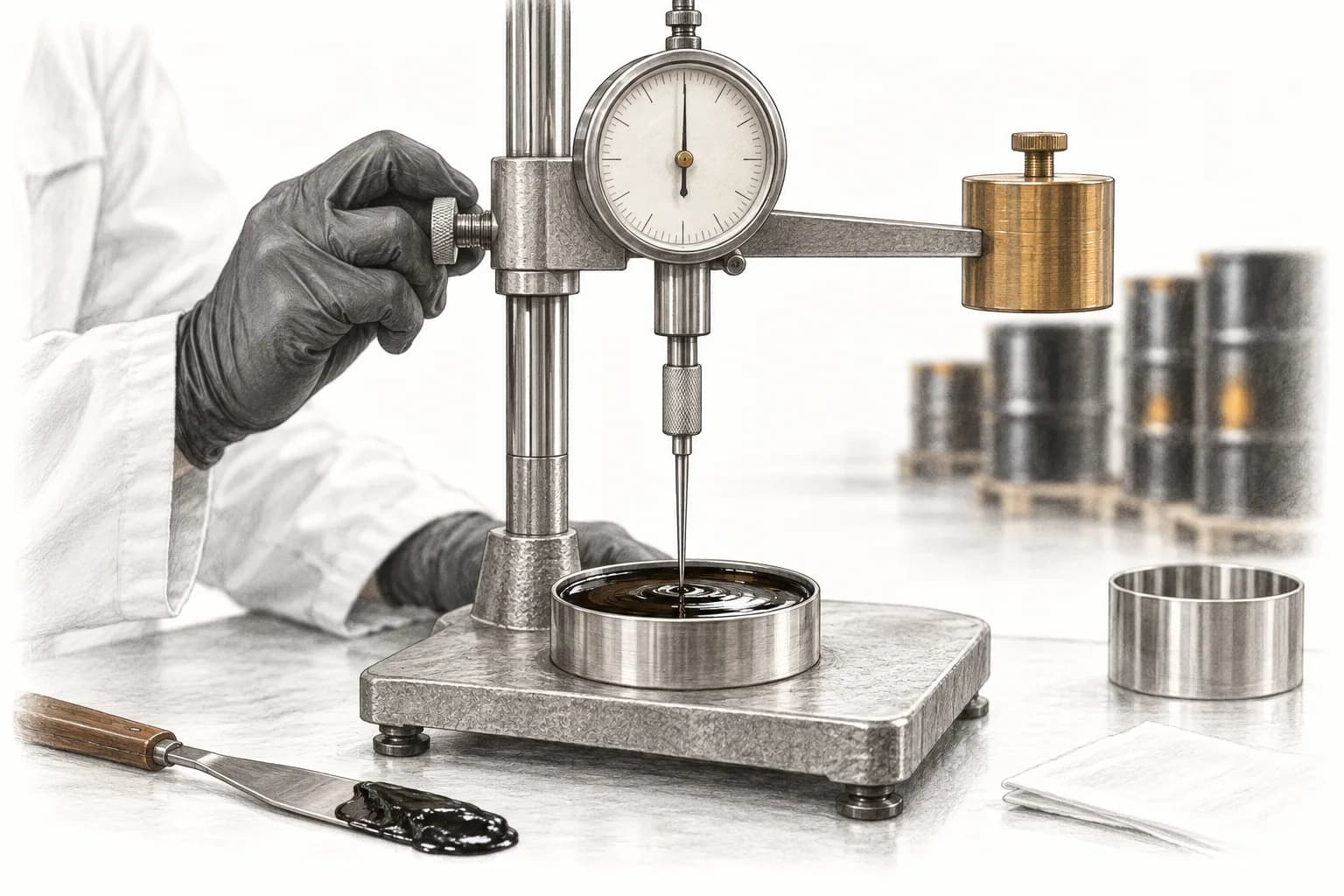
Bitumen emulsion K1-70 is specified to the Kenyan standard KS 02-769 and the British standard BS 434-2, with its limits tested by ASTM methods.
Share the grade, standard and application your project names and our team will confirm the fit and the supply arrangement.
Rapid, medium and slow settingRapid, medium and slow-setting grades so the breaking speed matches tack coats, surface dressing, cold mix or slurry work.
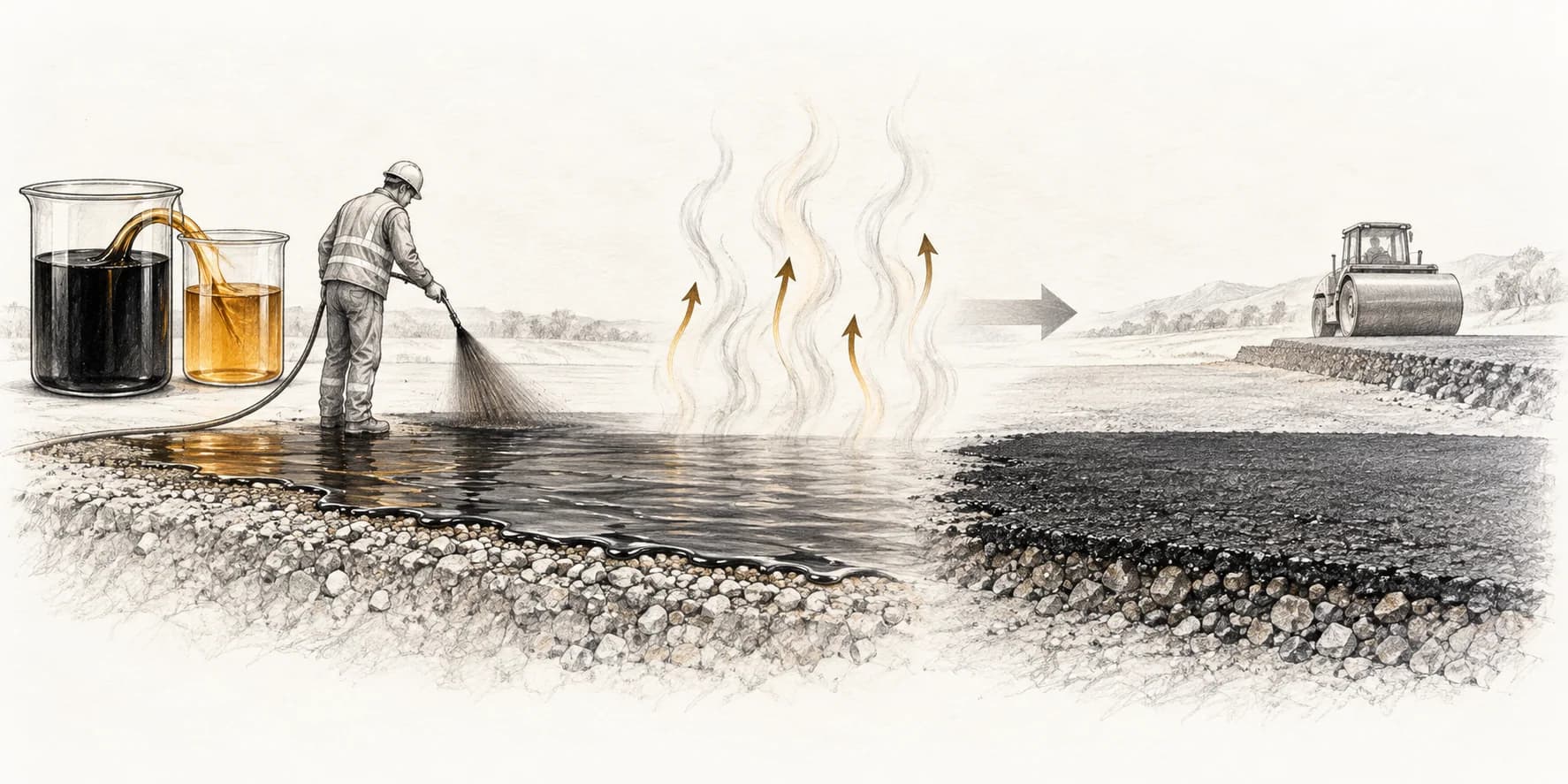
Water, not solventEmulsions carry the bitumen in water rather than petroleum solvent, for cold application without heating equipment.
Full shipping documentationA Certificate of Analysis travels with every shipment. Certificate of Origin and MSDS are arranged on request.
UAE load portsLoading from UAE ports with FOB as standard; CFR and CIF destination-port offers are quoted on request.
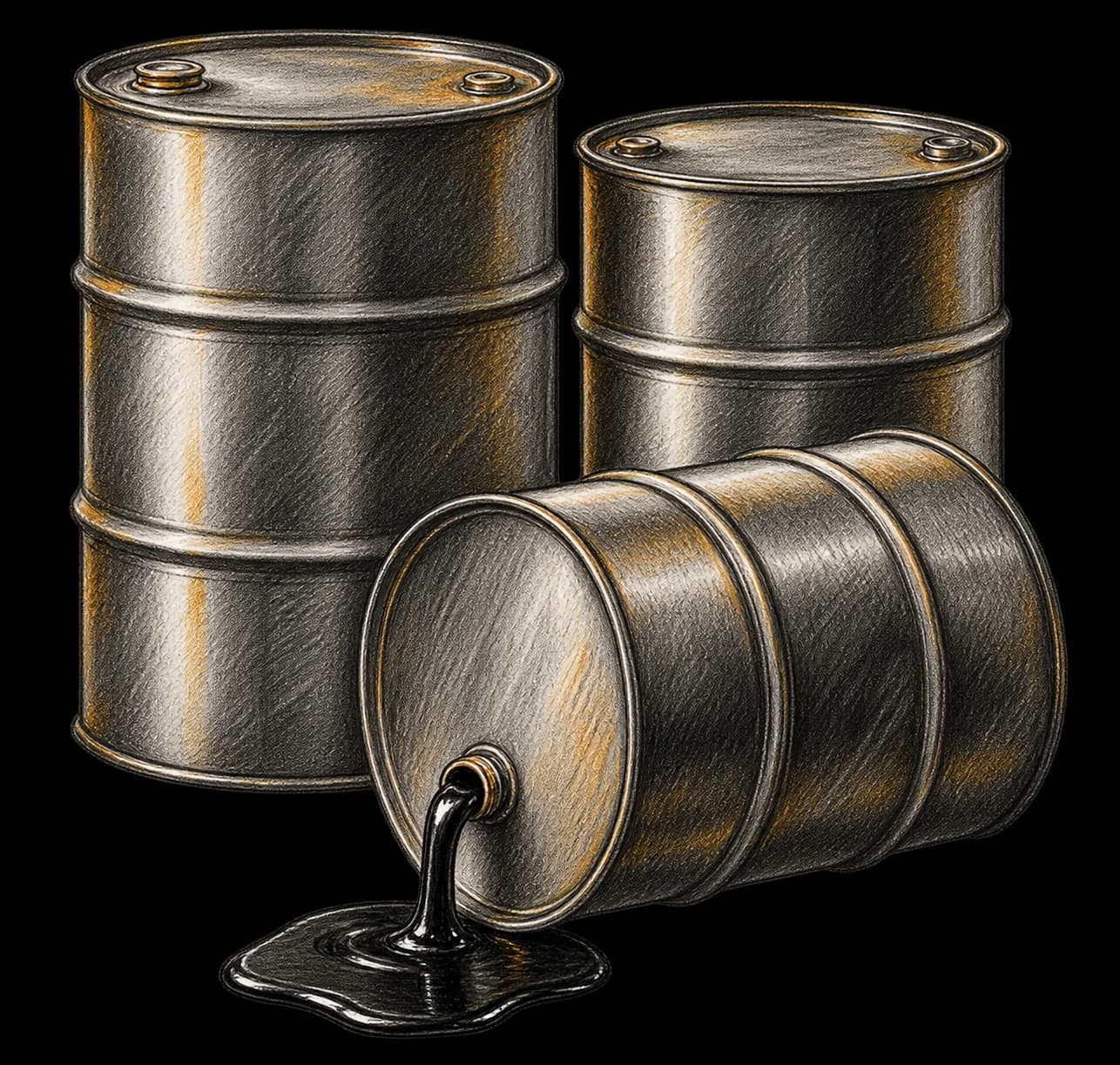
Packed for your siteNew steel drums for containerised supply, or bulk tanker for large-volume receivers with compatible tanks.
Trade risk handledThe Nuroil team manages transport, insurance, logistics and foreign-currency payments, and can discuss financing options with overseas buyers.
What Nuroil does on every order
Why source Bitumen emulsion K1-70 from Nuroil?
Tested against your grade
Each batch is reported against the specified grade limits on the Certificate of Analysis.
The standard you name
ASTM D2397, ASTM D977, SANS 4001 or BS 434-2 grades; share the designation your project names.
Drum to bulk
Steel drums, IBC tanks or bulk tanker, matched to your receiving facilities.
FOB, CFR or CIF
FOB from UAE ports; CFR and CIF destination-port offers on request.
02 TECHNICAL DATA
Catalogue specification.
Particle charge
PositiveASTM D244
Residue on a 710 µm (No. 20) sieve
Not specifiedASTM D244
Residue on a 150 µm (No. 100) sieve
Not specifiedASTM D244
Binder content
67% maxASTM D6997
Viscosity, Redwood No. II at 85 °C
25–30 sASTM D88
Storage stability, long period test
Not specifiedASTM D6930
Bitumen emulsion K1-70 beside the grades nearest to it. Rapid-setting grades break quickest, slow-setting grades are the most stable in mixing; choose by the application and the standard your project names.
Property
K1-60
K1-70This page
MS-1
MS-2
Charge
Cationic
Cationic
Anionic
Anionic
Setting
Rapid setting
Rapid setting
Medium setting
Medium setting
Standard
KS 02-769 · BS 434-2
KS 02-769 · BS 434-2
ASTM D977
ASTM D977
Residue or binder content
57% min
67% max
55% min
65% min
Viscosity
6–9 °E at 20 °C
25–30 s at 85 °C
20–100 SFS at 25 °C
100 SFS min at 25 °C
Typical use
Tack coats, prime coats and cold mix
Tack coats, prime coats and cold mix
Tack coats, cold mix and surface dressing
Cold mix and surface dressing
03 APPLICATIONS
Where it is used.
01
Tack coats
Used as an adhesive layer between existing and new asphalt surfaces to ensure strong bonding and prevent slippage during the paving process.
02
Prime coats
Applied over granular bases to prepare them for asphalt overlays. It enhances adhesion and prevents moisture infiltration, improving the overall strength of the pavement.
03
Cold mix asphalt
Utilised in the production of cold mix asphalt, which allows for repairs and construction at ambient temperatures, ideal for patching and maintenance tasks.
04
Fog seals
Employed for fog sealing ageing asphalt surfaces, rejuvenating them, sealing small cracks, and preventing oxidation to extend the life of the pavement.
05
Surface dressing
Used in surface dressing operations to provide a protective layer over existing roads, enhancing skid resistance and improving overall surface durability.
06
Soil stabilisation
K1-70 can be applied in soil stabilisation projects, where it binds fine soil particles to improve strength and stability, making it suitable for road construction.
07
Maintenance of low-traffic roads
Suitable for maintaining rural or low-traffic roads, where the emulsion can be used for surface treatments and repairs to prolong the lifespan of the pavement.
08
Pothole repair
Used in pothole repair applications, providing a strong, flexible material that adheres well to existing asphalt.
04 SAFETY & HANDLING
Water-based. Handled with care.
Bitumen emulsion carries the bitumen in water, without petroleum solvent, which generally makes storage and application safer than cutback. The Safety Data Sheet for the offered grade decides; review it before first handling.
Per SDS
GHS Classification per the SDS for the offered grade. A cationic emulsion has an acidic pH below 7 and may irritate skin and eyes.
Handling Keep from freezing, which breaks the emulsion. Never mix with an anionic emulsion.
UN
Not regulated for transport, typically · per SDS
Carrier
Water · no petroleum solvent
01
Cationic grades are acidic
A cationic emulsion has an acidic pH below 7 and may irritate skin and eyes. Wear gloves and eye protection, per SDS.
02
Never mix the two
Mixing anionic and cationic emulsions lets the opposite charges attract: the bitumen separates out and both emulsions are destroyed.
03
Prevent freezing
Freezing can permanently break the emulsion and make it unusable.
04
Follow the SDS
Classification, first aid and grade-specific storage, transfer and application guidance are on the Safety Data Sheet.
Protect emulsion stability.
Shelf lifeAs the manufacturer recommends
Avoid storage beyond the manufacturer’s recommendation; separation can develop over time.
Prevent freezingFreezing can permanently break the emulsion and make it unusable.
Manage shelf lifeAvoid storage beyond the manufacturer’s recommendation; separation can develop over time.
Check aggregateConfirm surface charge and moisture compatibility before full-scale use.
Use the SDSFollow grade-specific storage, transfer and application guidance.
Standards and test methods.
HS code2715.00
TransportNot regulated
KS 02-769 · BS 434-2
Kenyan and British standards named on the grade specification
ASTM D244 · ASTM D6997 · ASTM D88 · ASTM D6930
Charge, demulsibility and residue tests: methods referenced within the grade specification
National road authority specification
May reference an alternative national standard; confirm the exact standard, grade and edition before ordering
05 PACKING OPTIONS
Drums, IBC tanks or bulk.
Packing availability is confirmed for Bitumen emulsion K1-70 and the offered source. Container loads in the planner are the published planning figures; the offer confirms them.
Small quantities
Steel drums
New or reconditioned steel drums of 200 kg net, for containerised supply.
Typical loads used for planning. Your offer confirms the exact packing and load for the product and source.
720 ft containers
drums
500
Last 20 ft container
25% full
Minimum orderBy grade and packingShare your requirement; feasibility is confirmed with the quote
BulkBulk tankerFor large-volume receivers with compatible tanks
DocumentsCoA with every batchSDS and Certificate of Origin on request
06 BEFORE YOU ORDER
Frequently asked questions.
01What kind of emulsion is K1-70?
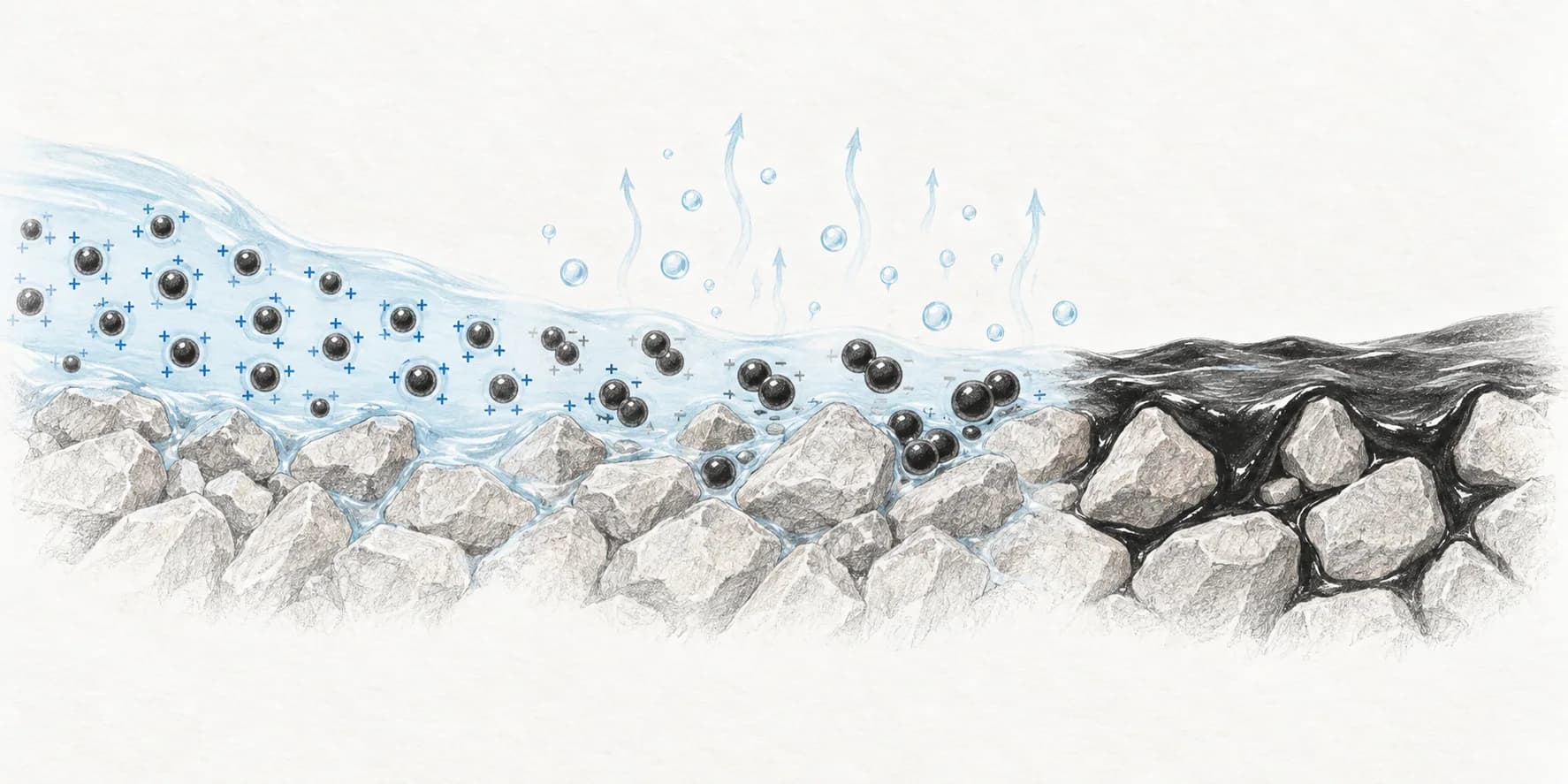
K1-70 is a cationic rapid setting emulsion. The droplets carry a positive charge, attracting them to the typically negative surface of most aggregates and improving adhesion. It breaks quickly on contact with aggregate.
02Does a grade name establish product suitability?
No. Compare the complete offered specification with the project requirements and applicable standard.
03Can bitumen emulsion be applied to damp surfaces?
Generally yes because it is water-based, though the exact surface condition must suit the specified grade.
04What packing formats are available?
Steel drums, IBC tanks and bulk tanker; availability depends on grade, quantity and destination facilities.
05What documents come with each shipment?
Every shipment includes a Certificate of Analysis. Certificate of Origin, MSDS and third-party inspection are available on request.
06What Incoterms do you offer?
FOB is commonly quoted from UAE ports; CFR and CIF destination-port offers are available.
Include the grade, application, quantity, destination, specification and packing preference. Our team replies with a tailored offer. We reply with a firm FOB, CFR or CIF offer, usually within 24 hours.