Technical document

· PDF

Tell us who you are and the document downloads straight away. We use these details only to follow up on your requirement.

Samples & documents

What can we send you?

Tick what you need
Request a quote
NUROIL / BITUMEN

Bitumen.Compare the range.

Compare bitumen families, standards and packing formats with Nuroil Trading in Sharjah, then discuss your supply requirements.

Bitumen9 families
Catalogue9 grade familiespenetration to natural gilsonite
StandardsASTM · EN · IS · ASand project standards
PackingDrums · Bags · Tanks · Bulkfrom UAE ports
QualityBatch CoAon every shipment
01 / YOUR SUPPLY PARTNER

Why source
bitumen from Nuroil.

Grade, specification and delivery confirmed for your requirement, from Nuroil Trading in Sharjah.

  • Pencil sketch of a refinery distillation column sending heavy residue to a bitumen storage tank

    Consistent supply, every shipment

    Refinery and bulk-terminal access supports repeat grade supply, backed by a CoA.

  • Pencil sketch of a technical data sheet, certificate of analysis and bitumen sample tins

    Built to your specification

    ASTM, EN, IS and AS grades supplied to documented project standards.

  • Pencil sketch of sealed bitumen drums on a pallet at a container port

    One supplier, every format

    Drums, polybags, jumbo bags, tank containers and bulk shipment from UAE ports.

02 / THE MATERIAL

Understand
the material.

IN SHORT

Bitumen is a dark binder that softens when heated. Adhesion and water resistance support paving, roofing and waterproofing.

Pencil sketch of a refinery distillation column sending heavy residue to a bitumen storage tank
Material
Dark binder that softens when heated
Sources
Petroleum and natural
Families
9 grade families
Standards
ASTM · EN · IS · AS
03 / READING THE GRADES

Reading the
standards.

Equivalence is indicative only; always specify by the standard named in the project documents.

  1. 01

    General paving

    ASTM penetration 60/70 · EN 12591 50/70 · IS viscosity VG30.

  2. 02

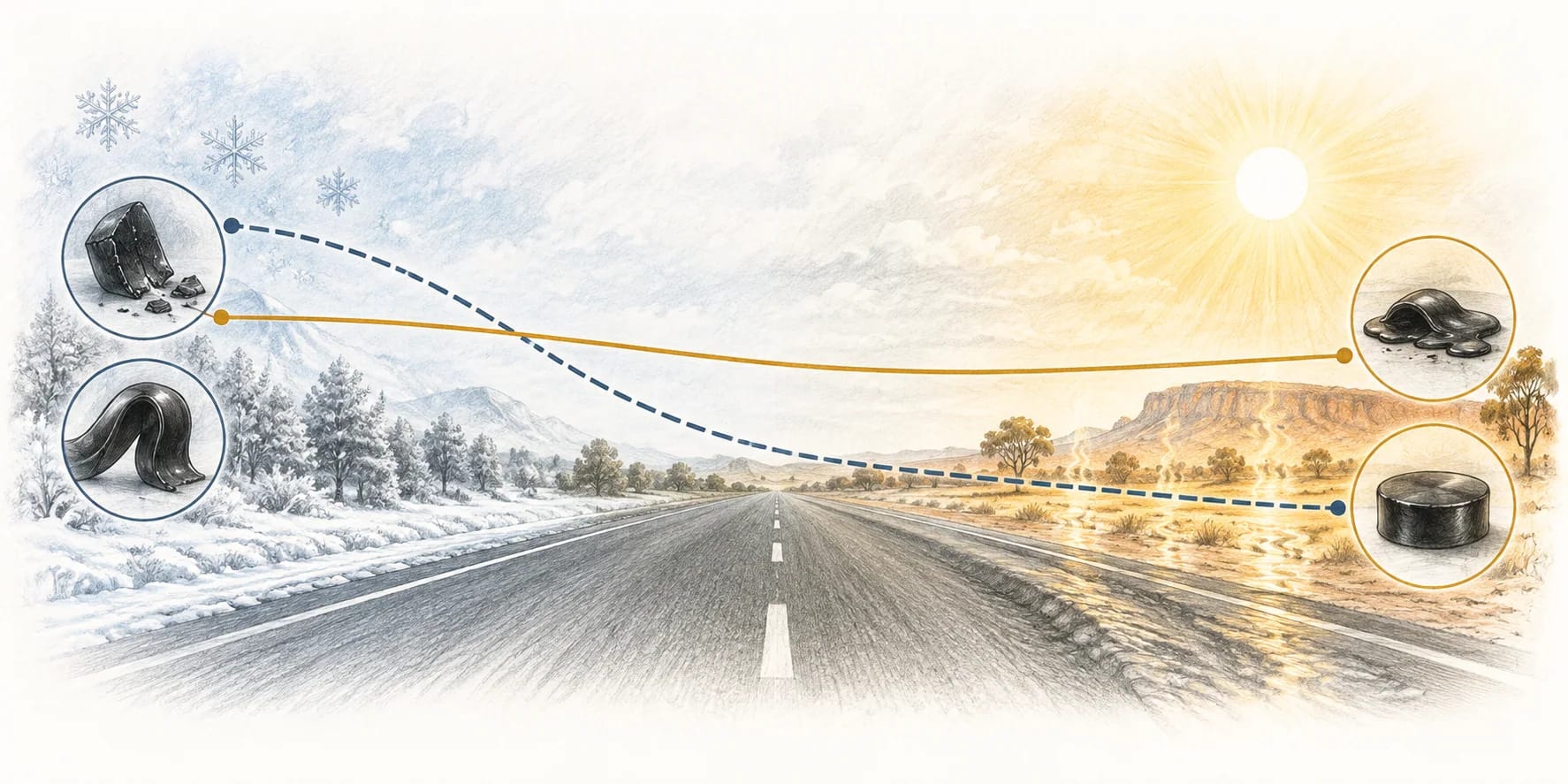
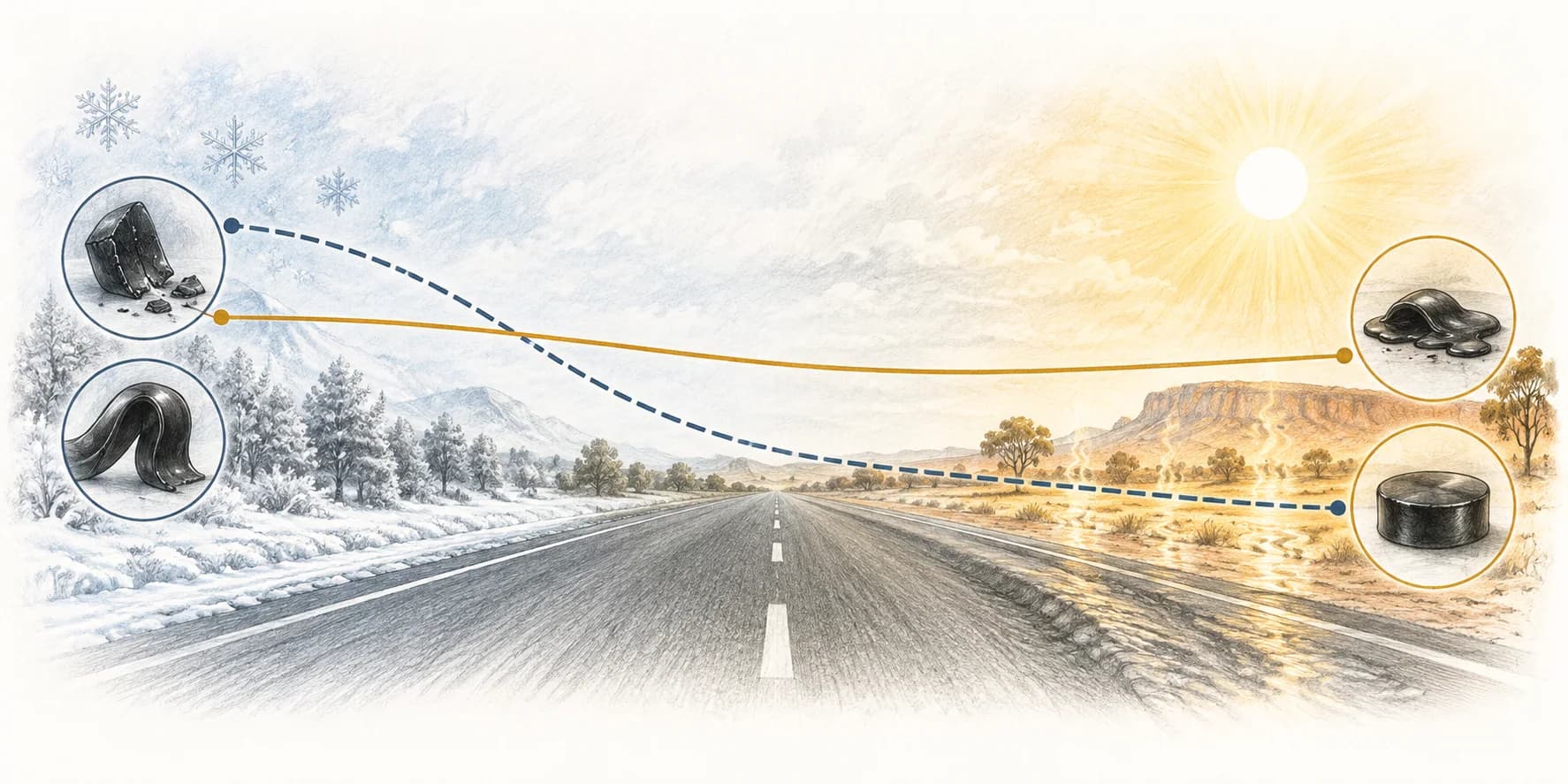
    Surface dressing, cold climates

    ASTM penetration 85/100 · EN 12591 70/100 · IS viscosity VG10.

  3. 03

    Heavy-duty, hot climates

    ASTM penetration 40/50 · EN 12591 35/50 · IS viscosity VG40.

  4. 04

    How to read the grade

    Numbers such as 60/70 and 85/100 define the permitted penetration range, not complete project suitability.

04 / STRENGTHS & LIMITS

What a grade name
tells you.

What it tells you

  • A grade name confirms the penetration or viscosity range.
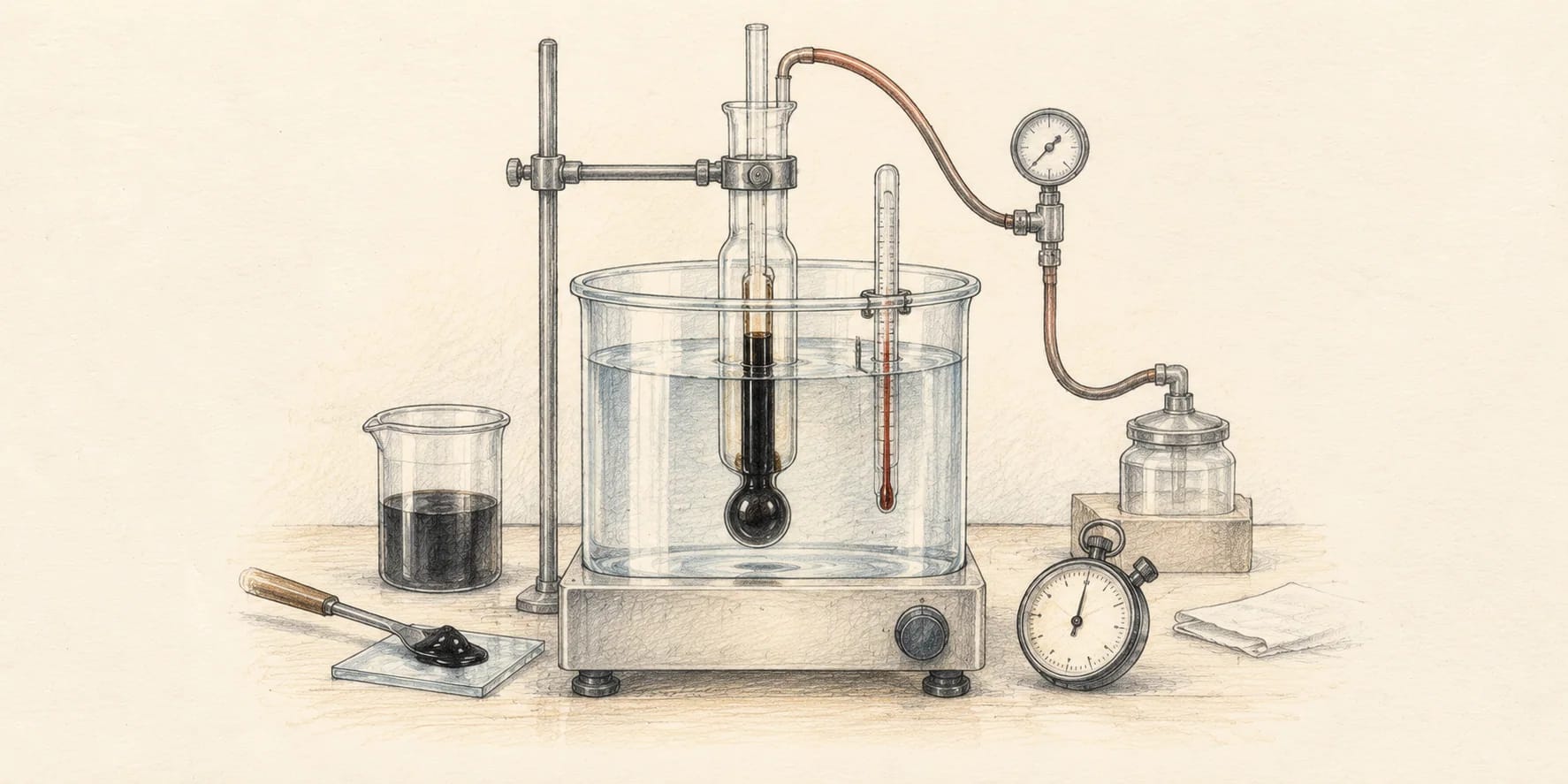
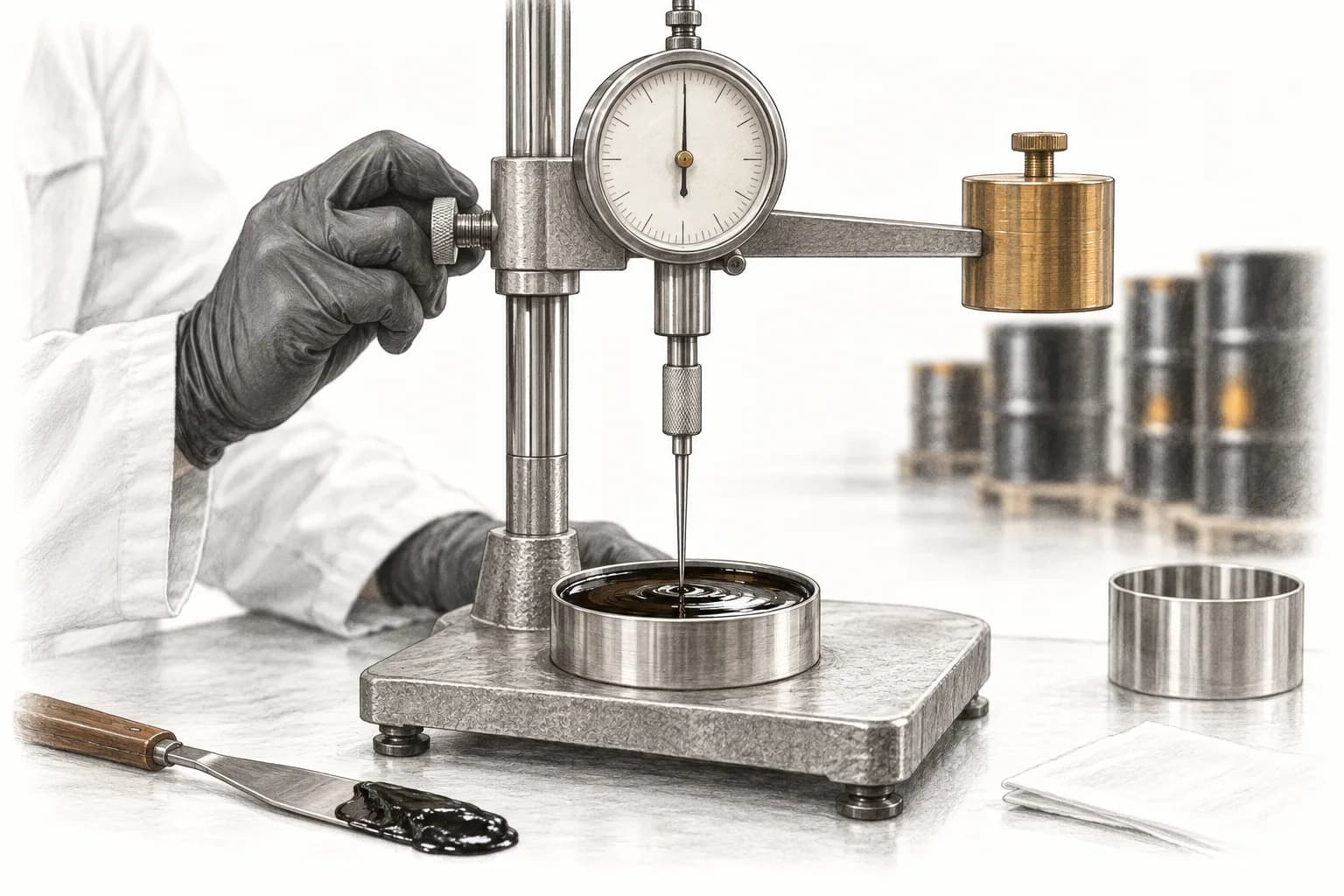
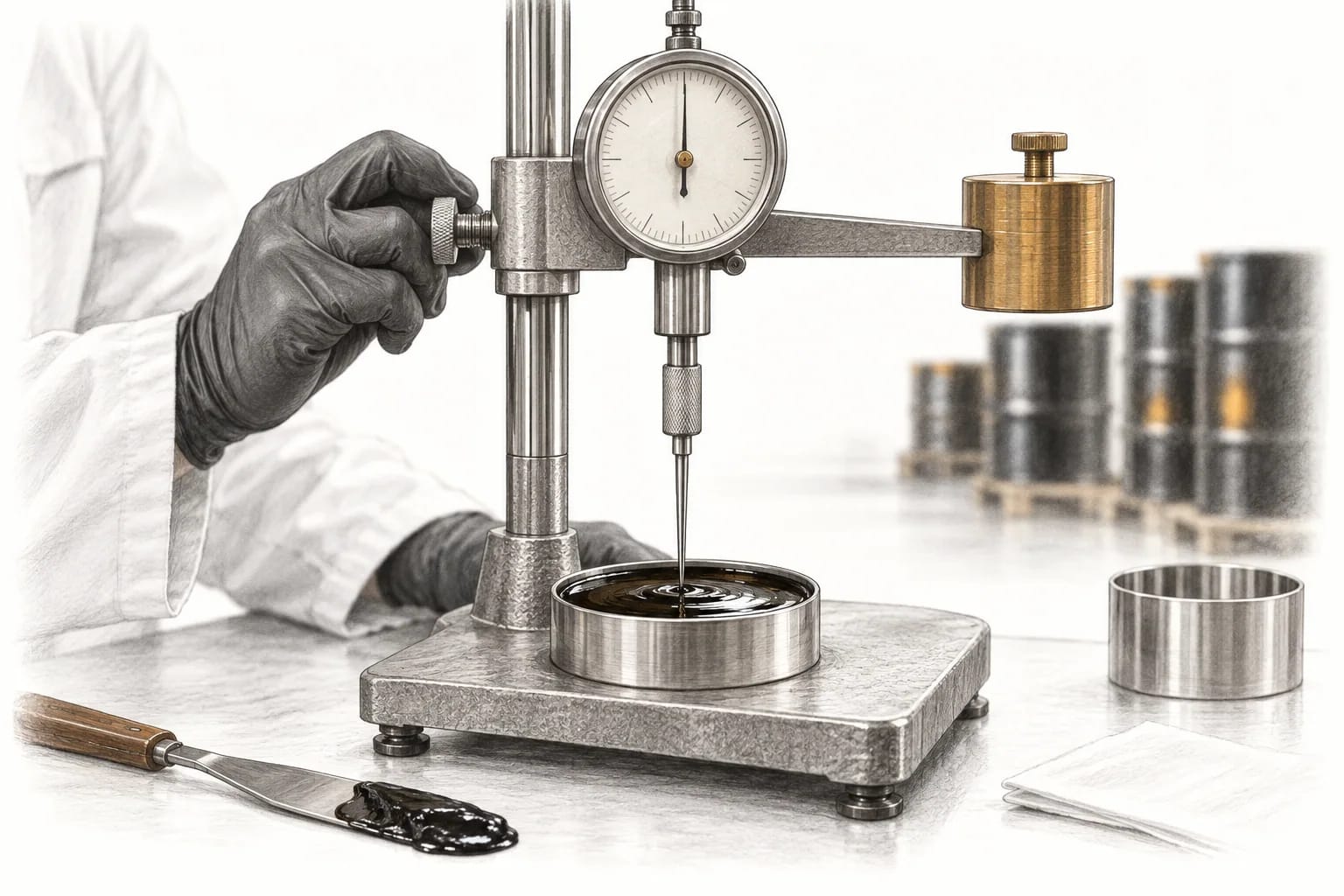
  • A standard needle enters the sample under controlled conditions (25 °C, 100 g, 5 s); results are expressed in tenths of a millimetre.
  • Each grade page shows its documented properties and technical reference.
  • Each batch is tested against the specified standard before dispatch, with results on its Certificate of Analysis.

What it does not tell you

  • A grade name does not establish suitability: that depends on the full specification, climate and referenced standard.
  • Equivalence between ASTM, EN and IS grades is indicative only.
  • Penetration and viscosity grading are different classifications: follow the one named by the project.
  • Technical data supports initial selection; current supply details are confirmed on enquiry.
05 / FULL COMPARISON

Catalogue
specifications.

The nine families by the project they serve, from the hub’s selection guide. Open a family page for its grades and catalogue values; always specify by the standard named in the project documents.

Technical data sheet · Typical values

Paving and roads

NUR-BT-01Bitumen · nine families
Project
Paving or maintaining roads
Families
Penetration Grade · Viscosity Grade · Australian Standard Bitumen
Classification
Bitumen classified by controlled needle penetration depth; Bitumen classified by flow resistance at a reference temperature; Viscosity and multigrade binders supplied to Australian standards
Standards
ASTM D946 · EN 12591 · IS 73:2013 · ASTM D3381 · AS 2008
Best for
General paving and road maintenance; Hot-mix asphalt to IS/ASTM viscosity standards; Projects specified to AS 2008

A selection guide, not a specification. Each family page carries its grades’ catalogue values; the Certificate of Analysis for the offered batch decides.

Issued for every batchRequest the Certificate of Analysis
06 / SELECTION

Start with
the project.

If the family is unclear, share the application and referenced standard with your enquiry.

  1. 01
    Requirement

    Paving or maintaining roads

    Penetration, Viscosity or Australian Standard

    Classified by needle penetration, by flow resistance, or to AS 2008.

  2. 02
    Requirement

    Airport, heavy traffic or extreme climate

    Performance Grade or Polymer Modified

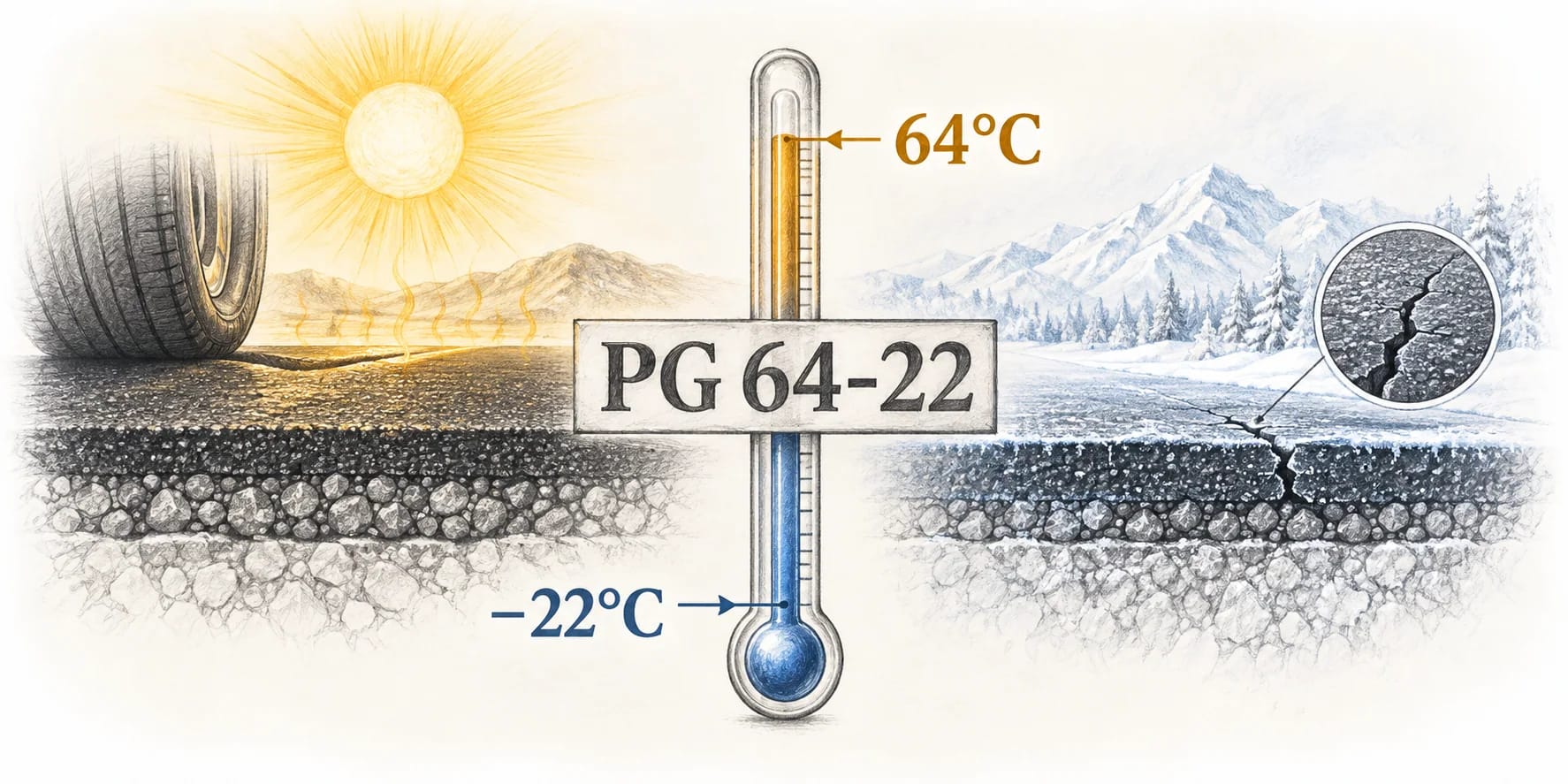
    Classified by performance across a temperature range, or polymer-enhanced for elasticity.

  3. 03
    Requirement

    Cold application without heating equipment

    Cutback or Bitumen Emulsion

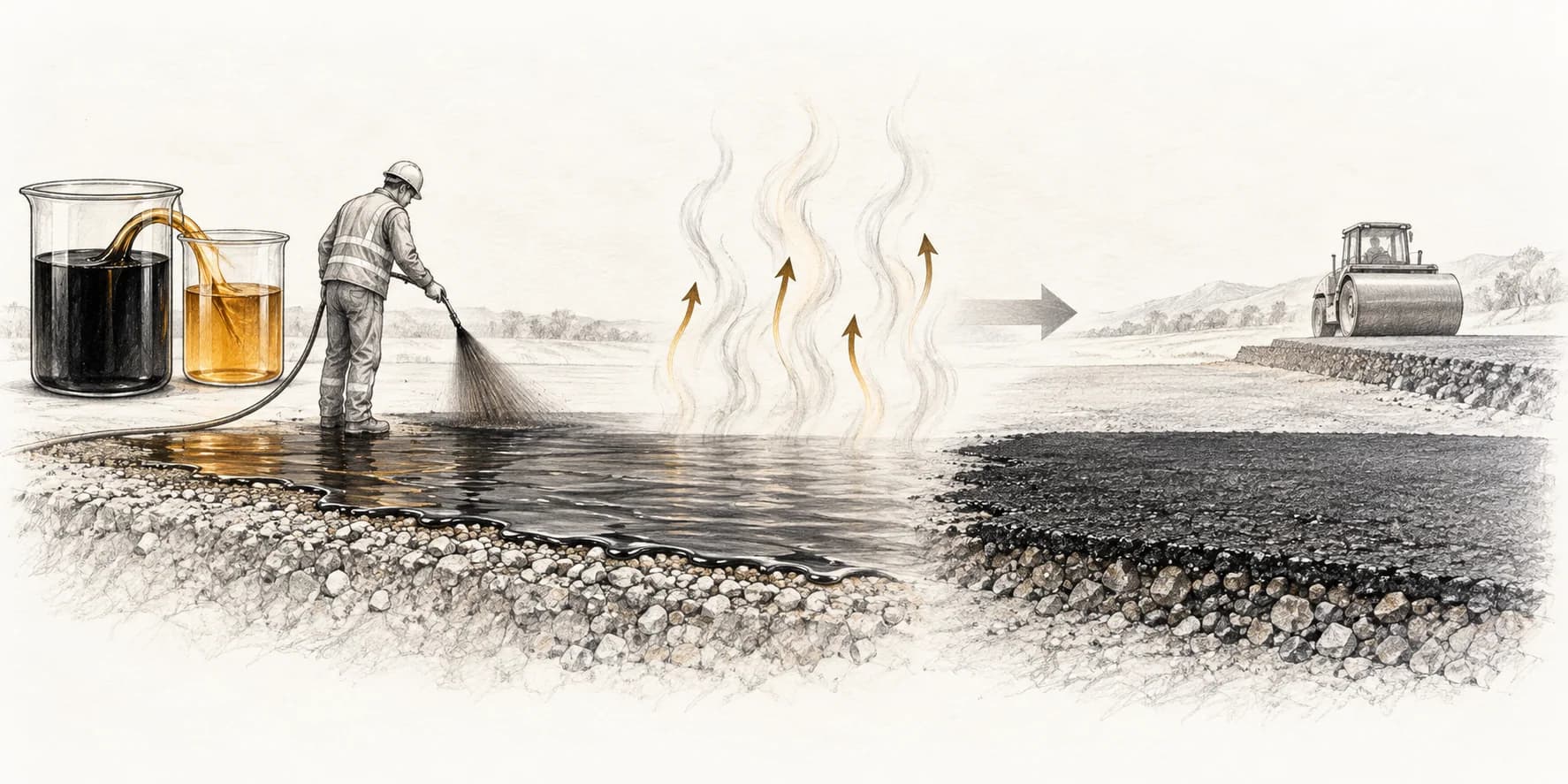
    Thinned with solvent, or dispersed in water, for cold application.

  4. 04
    Requirement

    Roofing, waterproofing or protective coatings

    Oxidised Bitumen

    Air-blown, with a higher softening point and firmer consistency.

  5. 05
    Requirement

    Ink, paint, foundry or specialty industry

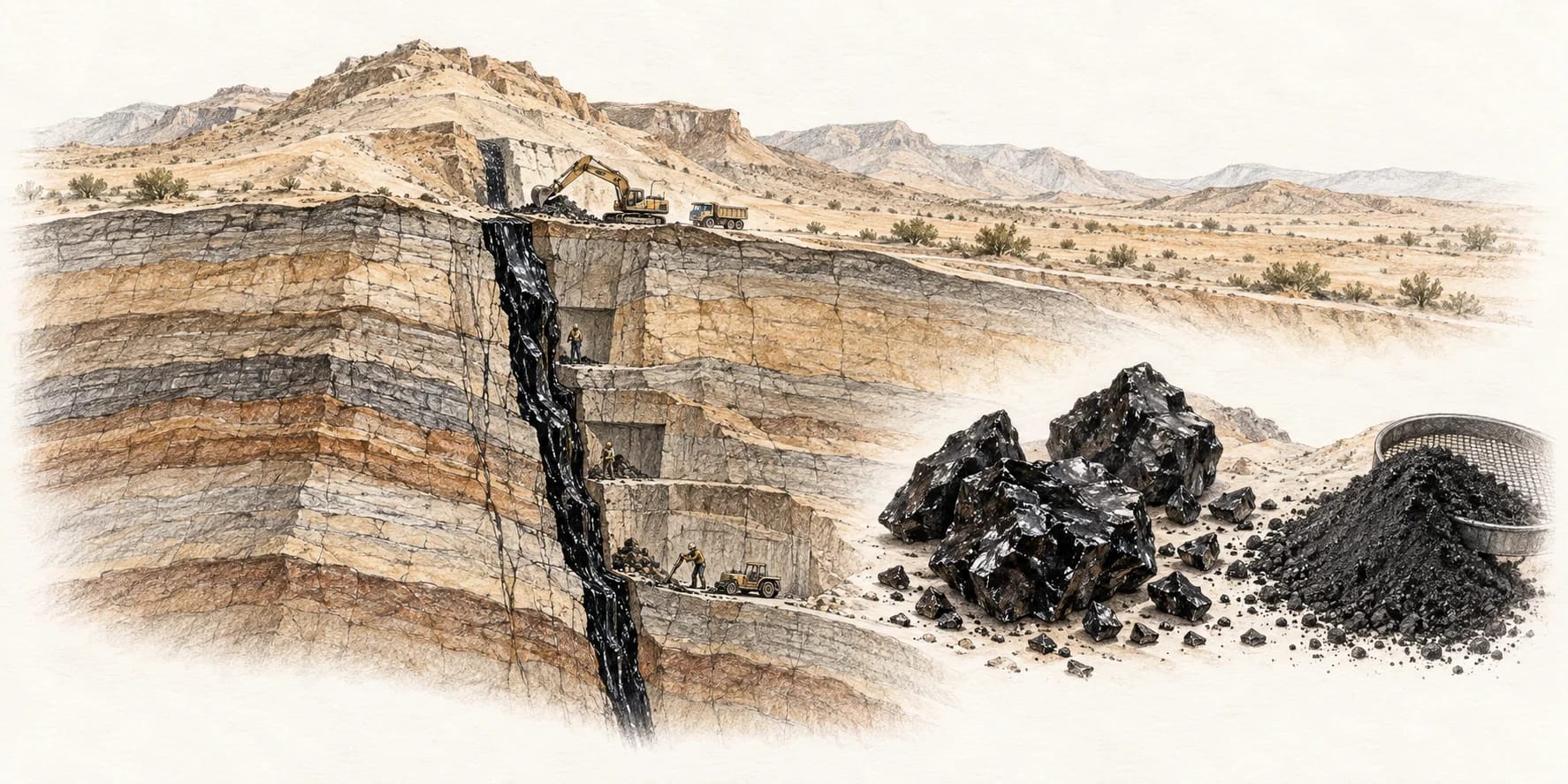
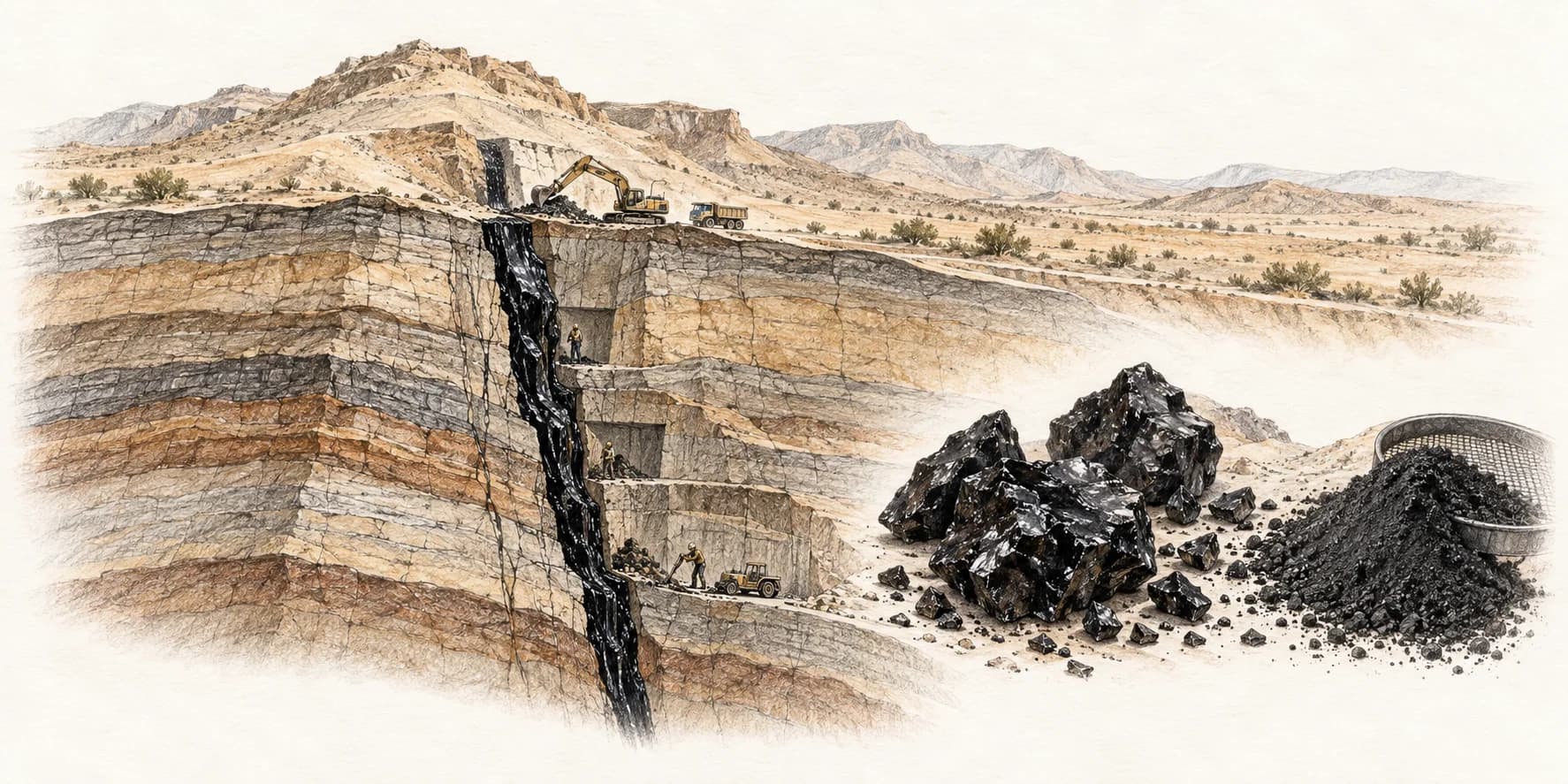
    Natural Bitumen / Gilsonite

    Naturally occurring bitumen, unrefined and used as found.

Open a product page.

07 / APPLICATIONS

Made for the work
your operation does.

Match the product to the crop, equipment or process and confirm the specification before you order.

Pencil sketch of an asphalt paving crew with paver, roller and tipper truck01

Paving and road works

Binders for asphalt paving, surface treatment and road maintenance.

Pencil sketch of a roof being waterproofed with bitumen membrane02

Roofing and waterproofing

Membranes and protective systems where water resistance and softening point matter.

Pencil sketch of airport runway asphalt paving03

Airports and heavy traffic

High-stress pavements that need binder performance across traffic and temperature demands.

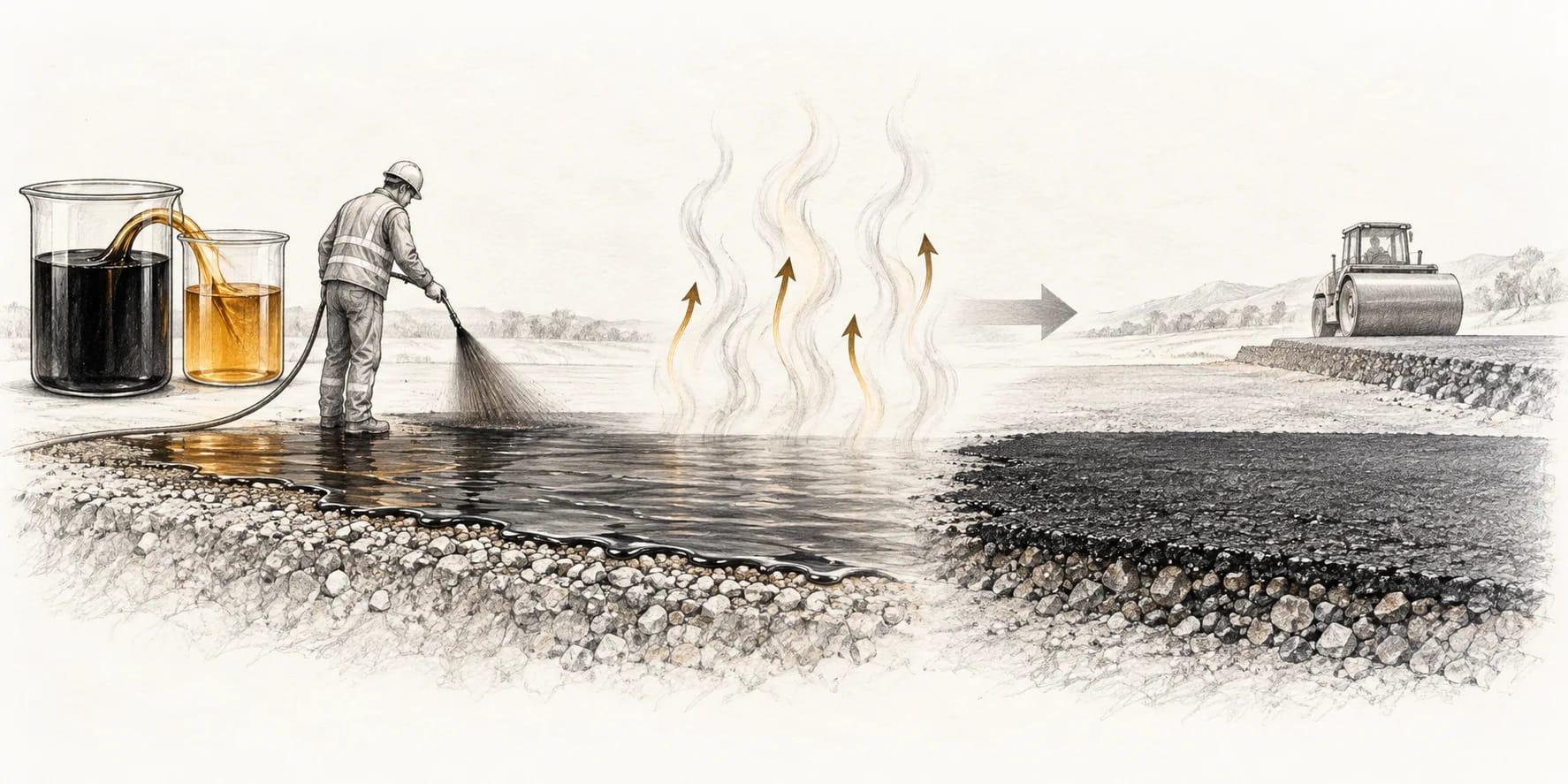
Pencil sketch of a cold-applied roadway surface treatment04

Cold surface treatment

Prime coats, tack coats and surface dressing without conventional hot-mix application.

08 / HOW IT IS MADE

From refinery
to family.

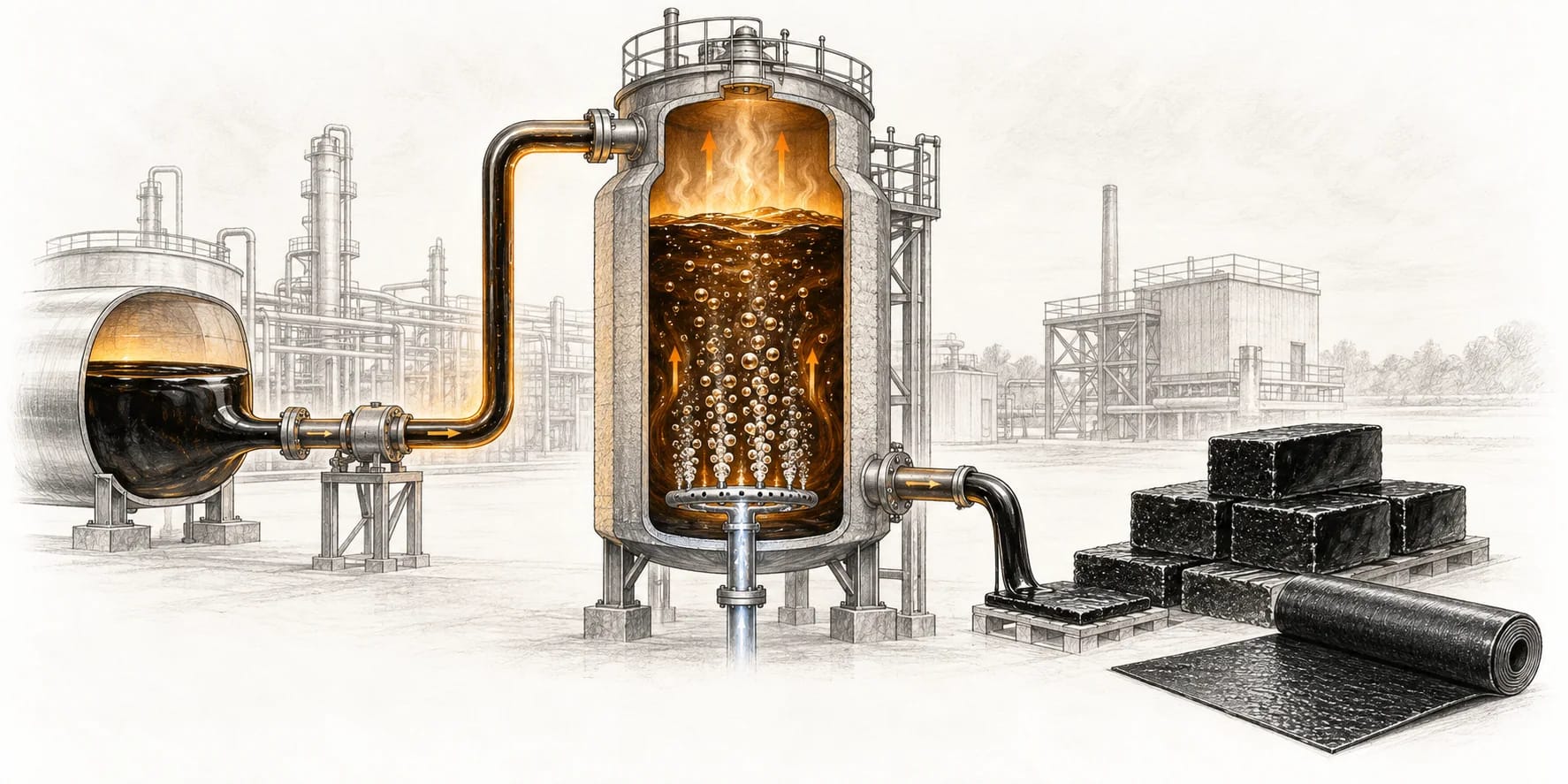
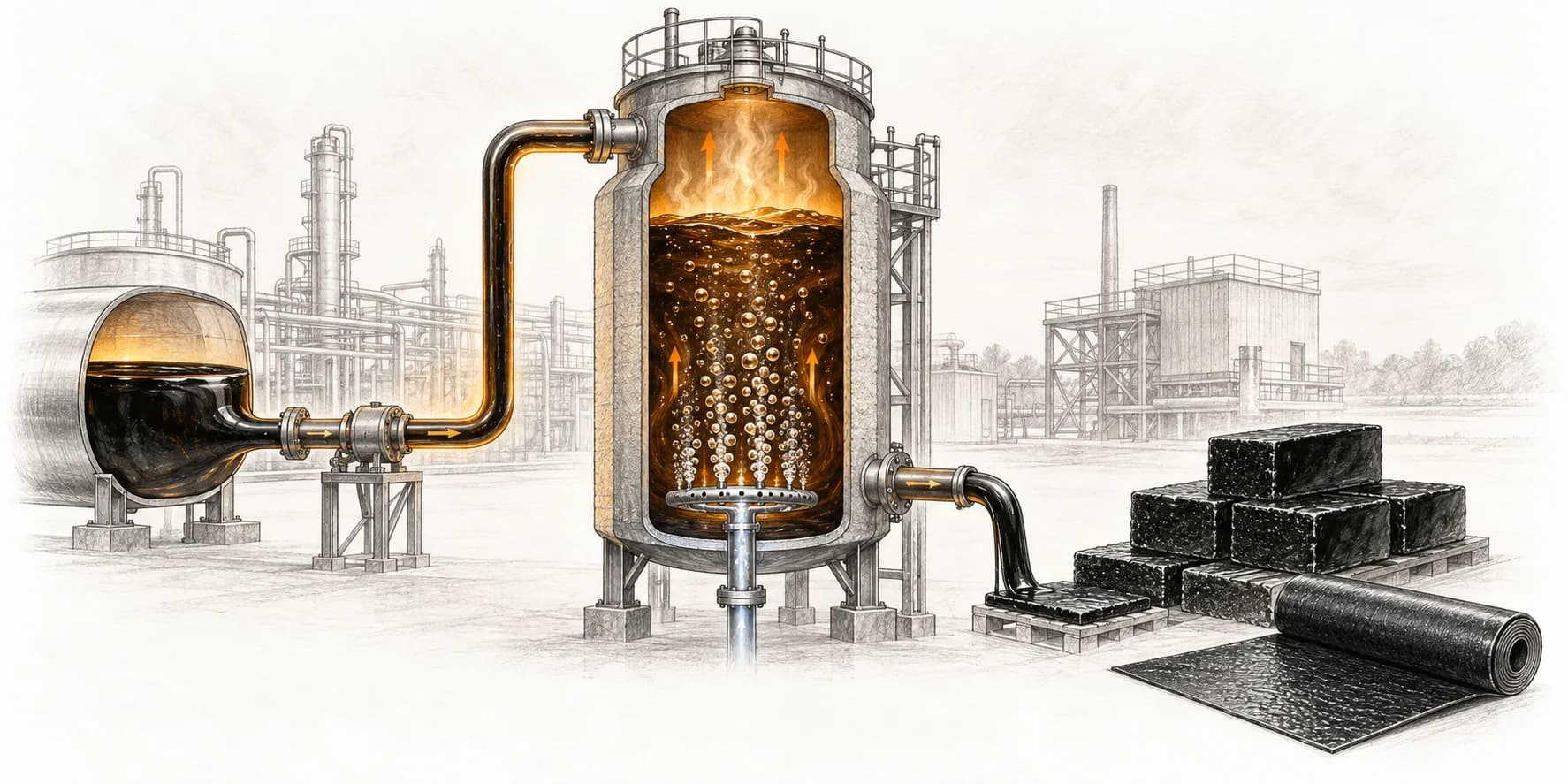
Petroleum bitumen is produced from crude oil by vacuum distillation; some families are further processed for their service.

Crude oilFurnaceVacuumVacuum residueGraded bitumenDrums · bulk01Vacuumdistillation02Air blowing03Polymermodification04Emulsions andcutbacks
  1. 01

    Vacuum distillation

    Petroleum bitumen is produced from crude oil by vacuum distillation, then graded by penetration, viscosity or performance.

  2. 02

    Air blowing

    Oxidised bitumen is air-blown for a higher softening point and firmer consistency.

  3. 03

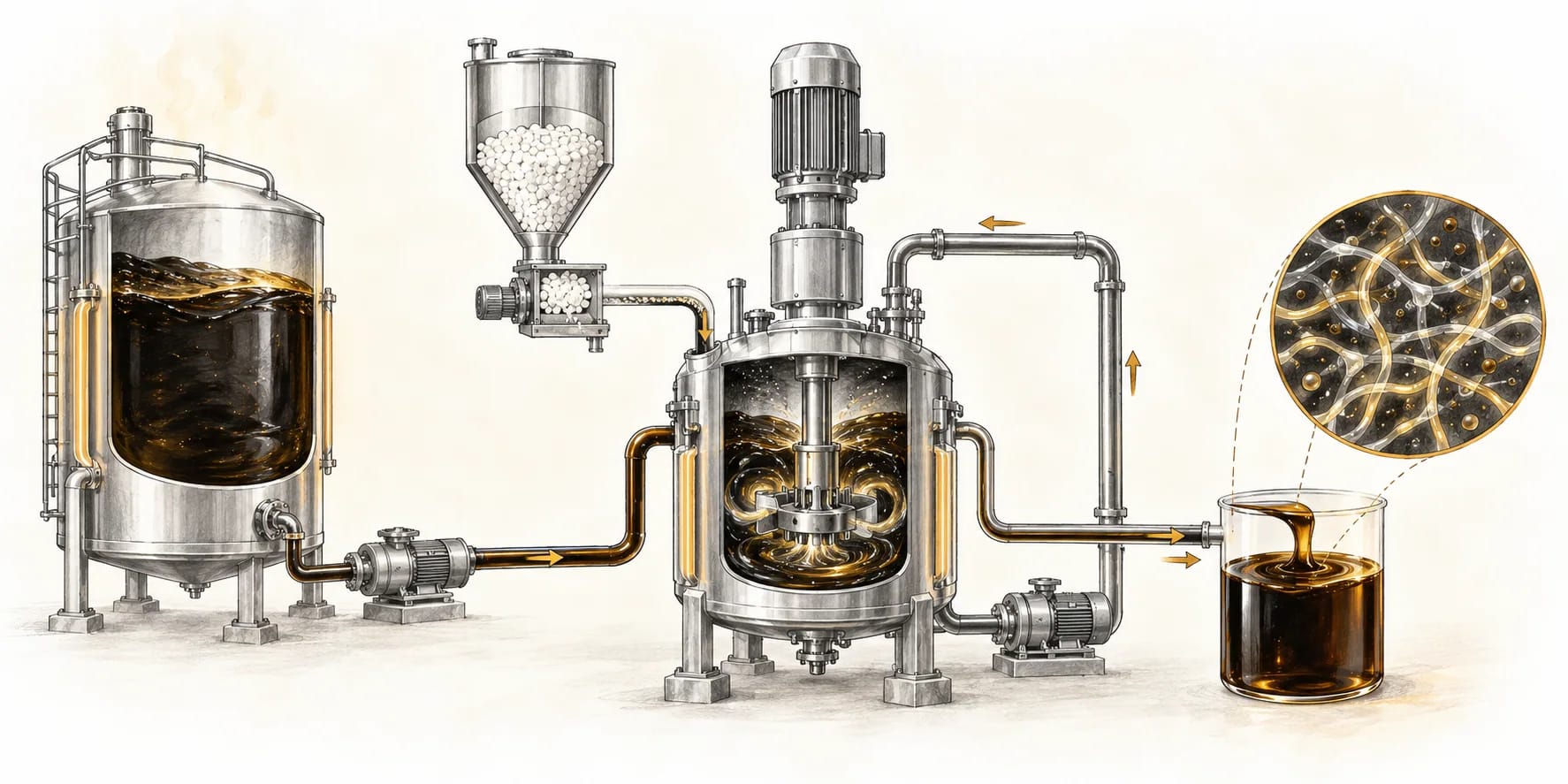
    Polymer modification

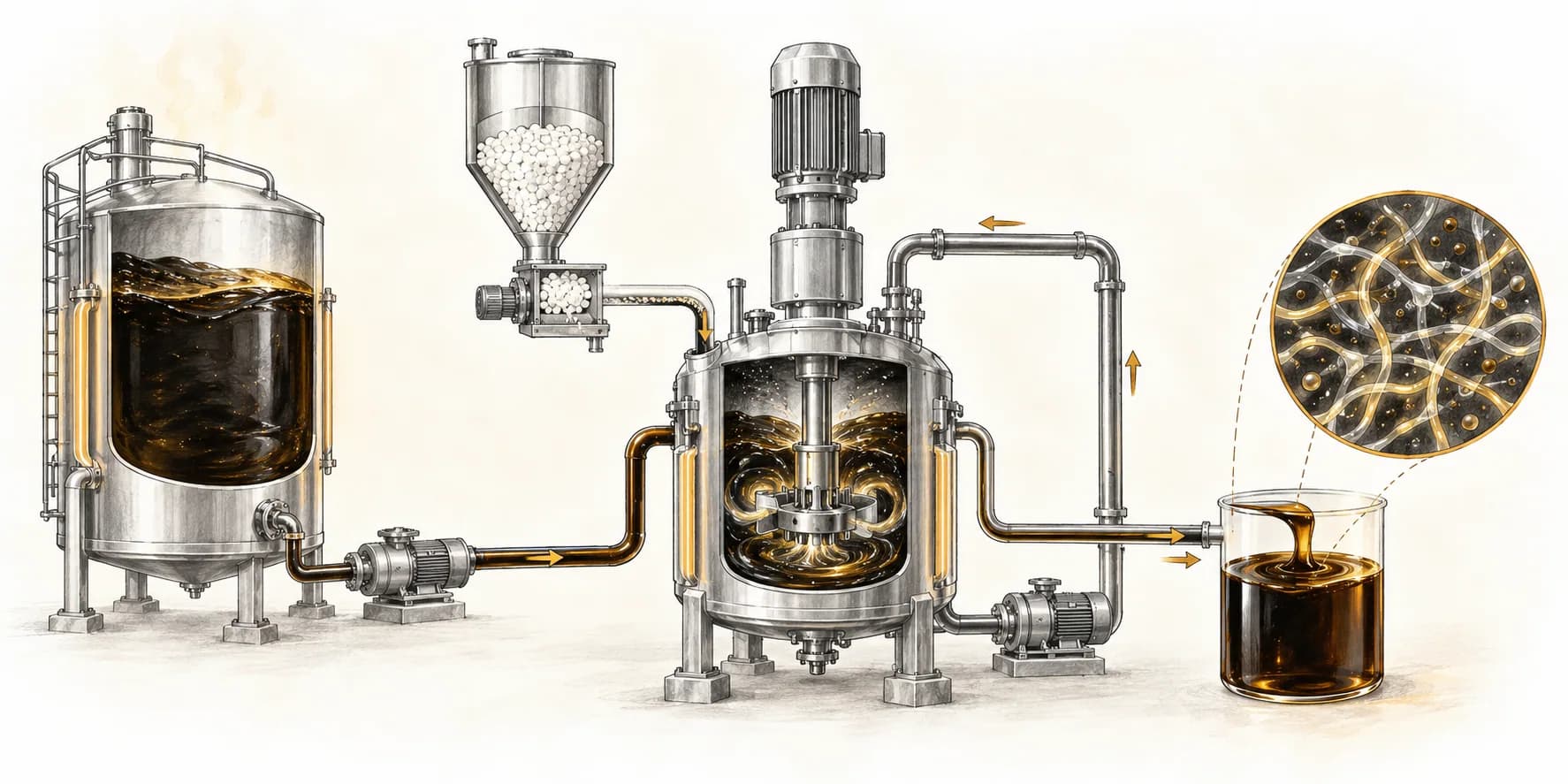
    Polymer modified bitumen gains elasticity and temperature resistance.

  4. 04

    Emulsions and cutbacks

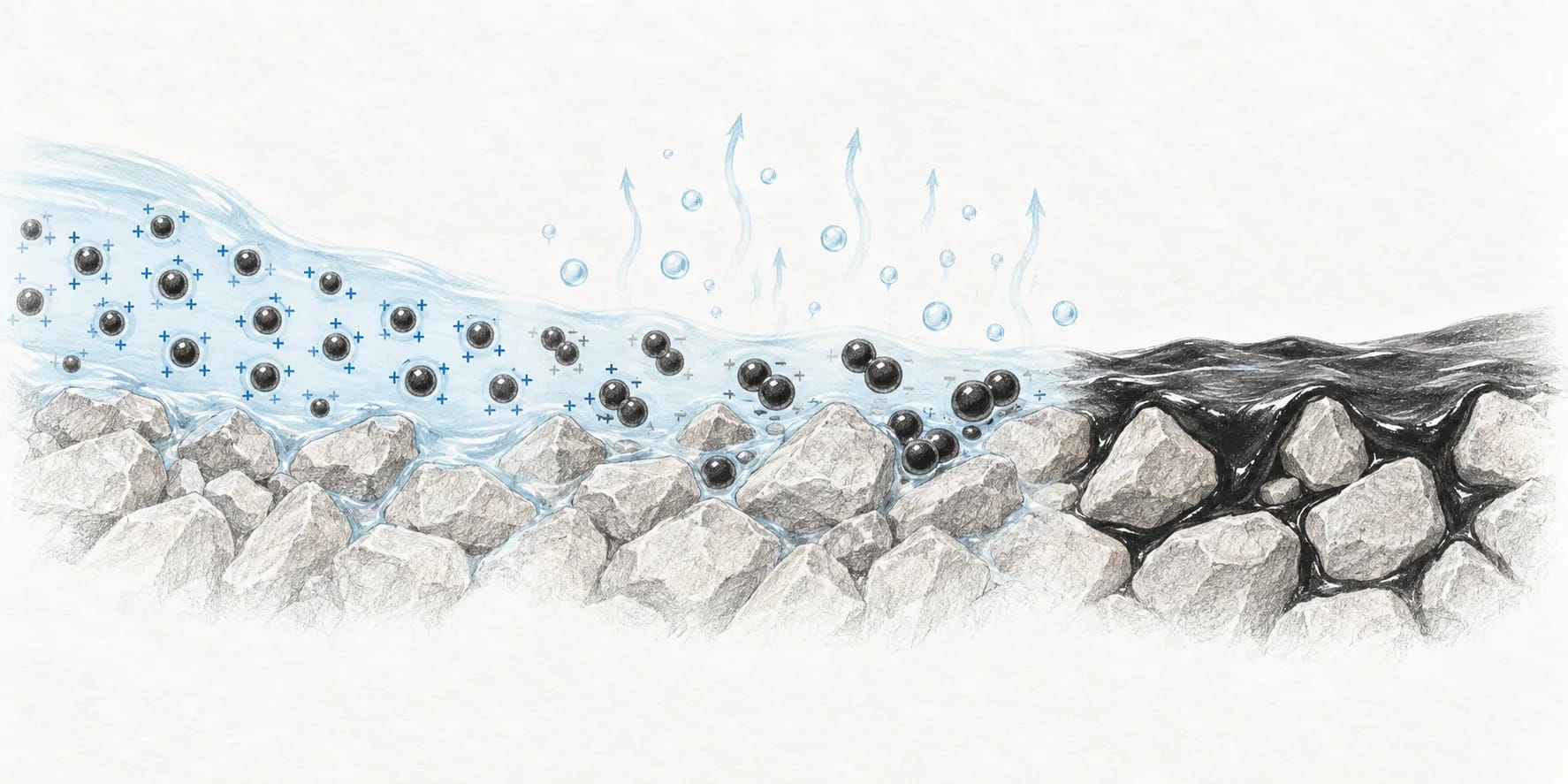
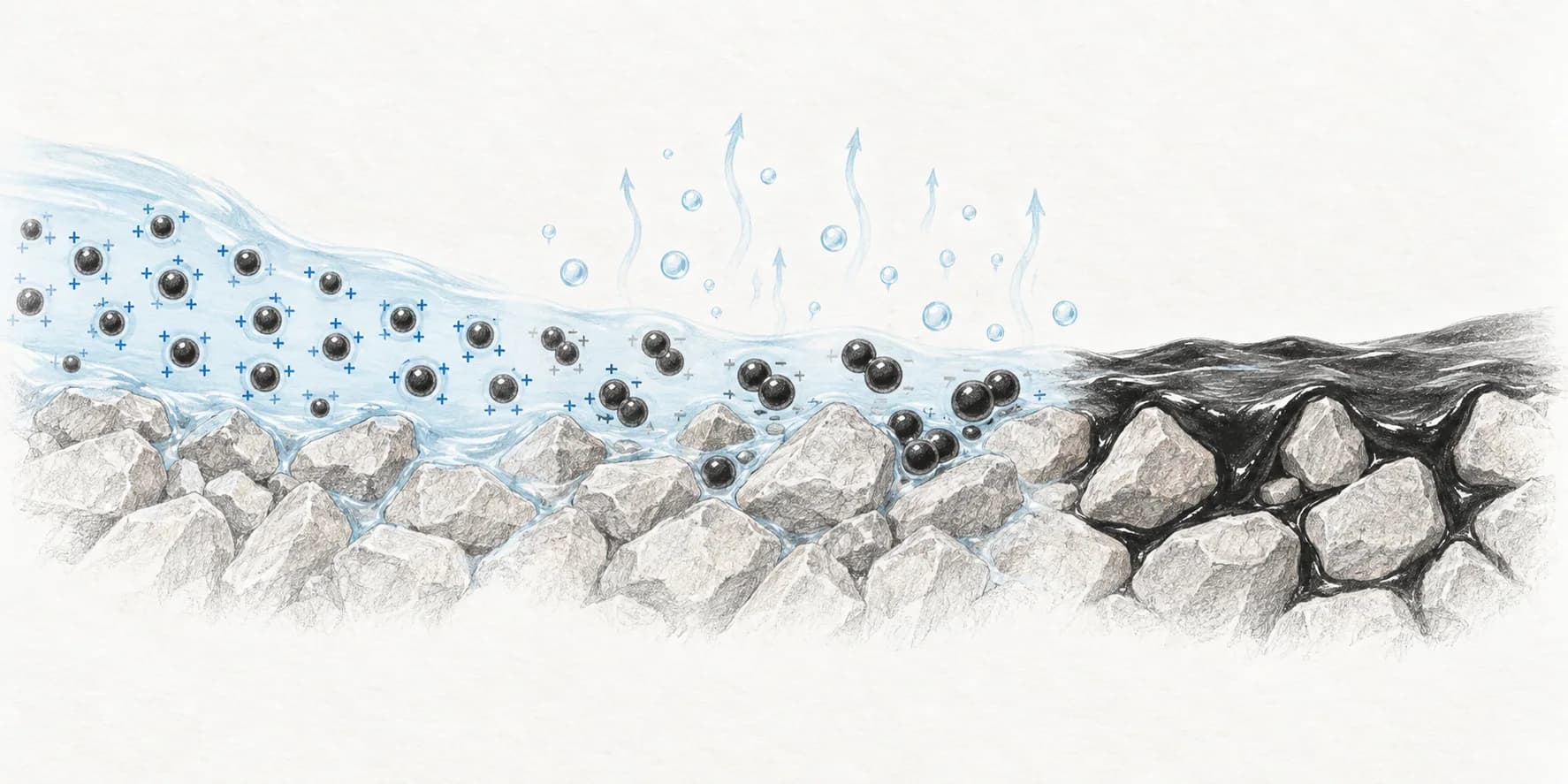
    Bitumen is dispersed in water, or thinned with solvent, for cold or easier application.

09 / COMPATIBILITY & HANDLING

Prepare a
focused enquiry.

A better quotation starts here: share the grade, the project and the destination.

  1. 01

    Product and grade

    Identify the family, exact grade and referenced standard edition.

  2. 02

    Project requirements

    Share the application, acceptance criteria and project-specific tests.

  3. 03

    Destination and incoterm

    Confirm port or site, FOB/CFR/CIF preference, CoA, MSDS and Certificate of Origin.

10 / REFERENCE METHODS

Find the specification
for your grade.

Open the relevant family page to review its documented properties and technical reference. Specify the required standard and edition in your enquiry.

01
Penetration
ASTM D946 · EN 12591
02
Viscosity
IS 73:2013 · ASTM D3381
03
Polymer modified
Project / regional standard
04
Performance grade
AASHTO M 320
05
Emulsions
Cationic CRS · CMS · CSS and anionic RS · MS · SS
06
Cutback
RC · MC · SC grades
07
Oxidised
Penetration / softening point
08
Australian standard
AS 2008
09
Natural gilsonite
Purity · ash · softening point
11 / PACKING & DELIVERY

Packing
formats.

Availability depends on the product, quantity and receiving facilities. Confirm the arrangement for your order.

  • 01 / 150 / 180 / 200 KG

    Drums

    New steel drums for containerised supply and staged handling; approximately 80 drums per 20 ft container, palletised.

    Discuss this format
  • 25 kg
    02 / COLD-PACKED SOLID

    Polybags

    Cold-packed solid bitumen in multi-ply bags, melted on site when needed.

    Discuss this format
  • 1,000kg
    03 / SOLID BITUMEN · 1000 KG

    Jumbo bags

    Solid bitumen in 1000 kg bags for compatible grades and facilities; approximately 24–25 t per 20 ft container.

    Discuss this format
  • 04 / VESSEL · TANKER

    Bulk supply

    Heated vessel or tanker supply for high-volume receivers, per vessel hold capacity confirmed at booking.

    Discuss this format
13 / PRICE ON THE DAY

Get today’s price.

Prices follow the market, so we quote each order on the day. Share your product, quantity and delivery point and we send a firm offer within 24 hours.

Request today’s price
14 / BUYING THIS RANGE

Frequently asked questions.

Product, documentation, delivery and terms for this range.

Question not listed?

Share your grade, destination and packing and we will answer with the offer.

Discuss your requirement ↗
01Does a grade name establish product suitability?
A grade name confirms the penetration or viscosity range only. Suitability depends on the full specification, climate and referenced standard.
02Can I choose a packing format?
Yes. Drums, polybags, jumbo bags, tank containers and bulk supply are available subject to grade, quantity and receiving facilities.
03What documents come with each shipment?
Every shipment includes a Certificate of Analysis. Certificate of Origin, MSDS and third-party inspection reports are available on request.
04What is the minimum order quantity?
MOQ depends on the grade and packing format. Share your requirement and we will confirm feasibility with the quote.
05What Incoterms do you offer?
FOB is commonly quoted from UAE ports. CFR and CIF destination-port offers are available on request.
06How is bitumen quality tested before shipment?
Each batch is tested against the specified standard before dispatch, with results on its Certificate of Analysis.
07What is the difference between penetration and viscosity grade?
Penetration grade uses controlled needle depth; viscosity grade uses flow resistance at a reference temperature. Follow the classification named by the project.
08How long does delivery take from UAE ports?
Transit time depends on destination and shipping line. Share the port for an estimated schedule.
THE BITUMEN RANGE

Choose a family

  1. Penetration Grade BitumenGraded by needle penetration
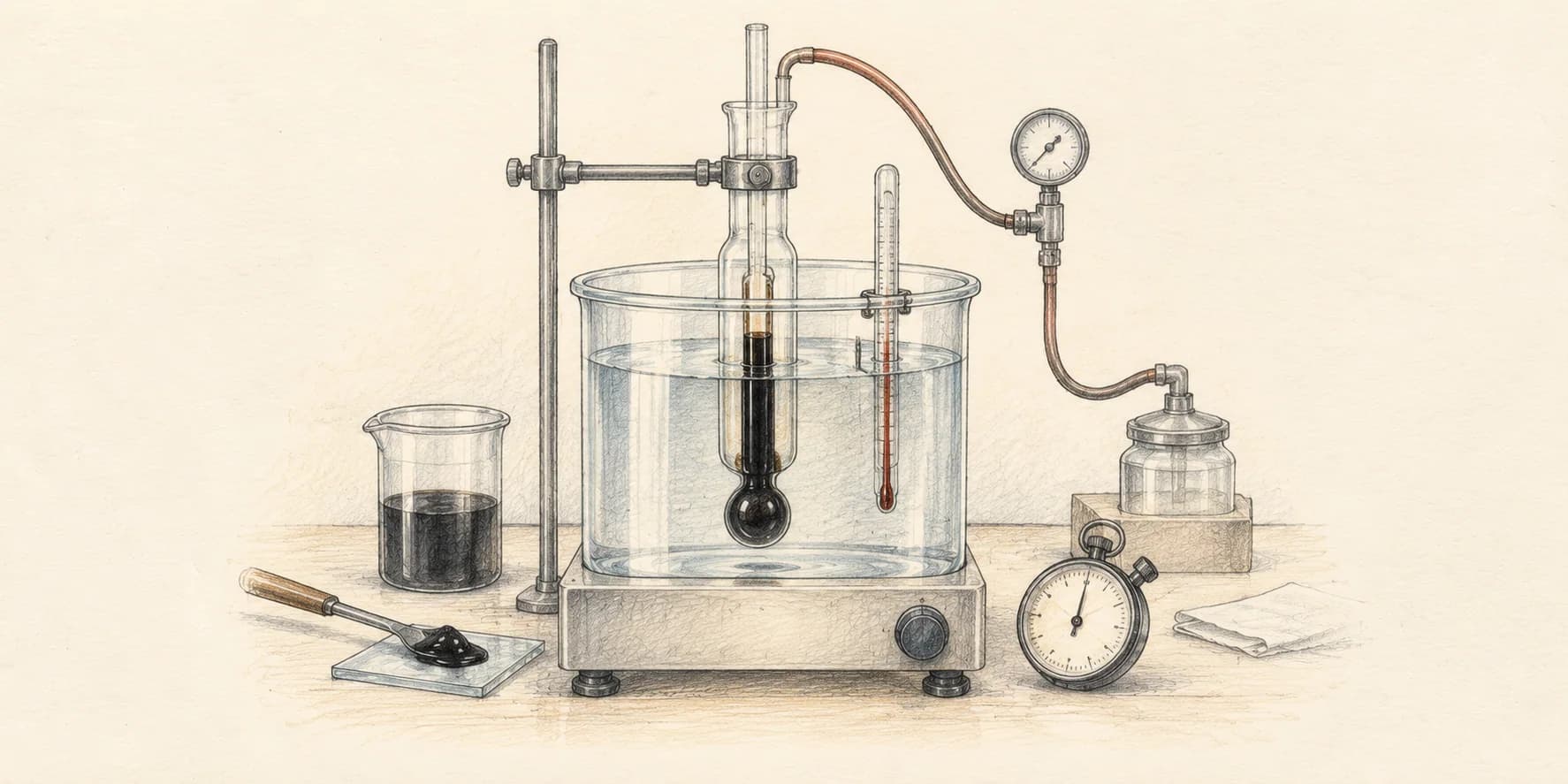
  2. Viscosity Grade BitumenGraded by viscosity at 60 °C
  3. Australian Standard BitumenAS 2008 classes and Multigrade
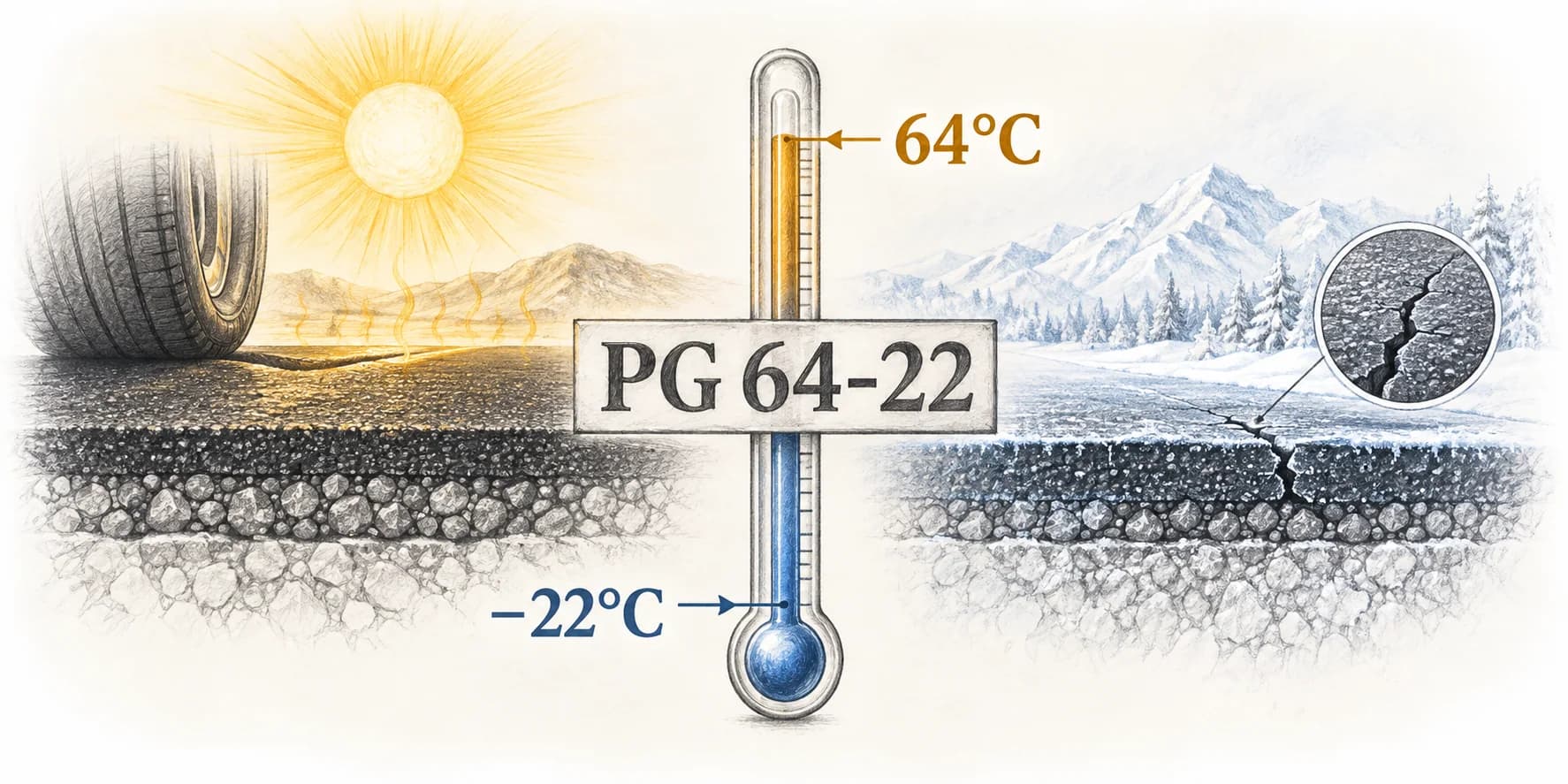
  4. Performance Grade BitumenGraded for the climate
  5. Polymer Modified BitumenElastic, high-stress binders
  6. Bitumen EmulsionsWater-based, cold applied
  7. Cutback BitumenSolvent-thinned, cold applied
  8. Oxidised BitumenAir-blown for roofing and coatings
  9. Natural Bitumen (Gilsonite)Natural asphaltite
FROM THE KNOWLEDGE CENTRE

Guides & articles

Written by our trade desk to help you specify, compare and buy with confidence.

All guides & articles
ArticleBitumen · 3 minWhat viscosity grading tells you about paving bitumen

How viscosity grading classifies paving bitumen, why it is tested at 60°C and 135°C, and how VG grades compare with penetration…

Read
ArticleBitumen · 3 minClass 170 or Class 320 bitumen: which suits sprayed seals and which suits asphalt

How Class 170 and Class 320 bitumen to AS 2008 differ in stiffness, typical uses in sprayed sealing and asphalt, and when each is…

Read
ArticleBitumen · 3 minWhy Class 450 and M1000 bitumen are graded after ageing

Why AS 2008 Class 450 and multigrade M1000 are specified by viscosity after rolling thin film oven ageing, and what that means…

Read
GuideBitumen · 3 minSafe handling and heating temperatures for bitumen

Reference guide to bitumen temperature limits, storage, reheating, boil-over, fumes and burns, based on established industry…

Read
GuideBitumen · 3 minAS 2008 bitumen classes: specification limits and uses at a glance

Reference guide to AS 2008 bitumen classes 170, 240, 320, 450, 600, M500 and M1000: viscosity bands, grading basis, typical uses…

Read
GuideBitumen · 3 minStorage and heating temperatures for AS 2008 bitumen classes

Reference temperatures and holding times for spraying, mixing and storing AS 2008 bitumen classes, and how to avoid overheating.

Read
LET’S TALK ABOUT YOUR REQUIREMENTS

Your next shipment starts here.

Request a quote