AASHTO M320 · ASTM D6373Performance gradesPG 58-28 to PG 82-22
Performance grade9 grades
SystemSuperpaveAASHTO M320 · ASTM D6373
RangePG 58-28 to PG 82-229 grade pages
SelectionProject climate datahigh and low pavement temperatures
QualityDSR · BBR · ageing testsresults on the CoA
PG0%
01 / YOUR SUPPLY PARTNER
Why source performance grade bitumen from Nuroil.
Grade, specification and delivery confirmed for your requirement, from Nuroil Trading in Sharjah.
Graded for the climate
PG grades are selected from project climate data, so the binder is specified for the pavement temperatures it will actually see.
Tested to your requirement
Share the specified PG grade, or the project location, and the required testing certification when requesting a quote.
Packed for your site
New steel drums for heated handling, jumbo bags where compatible, or bulk for receivers with heated storage and circulation.
02 / THE MATERIAL
What is performance grade bitumen?
IN SHORT
Developed under the Strategic Highway Research Program and standardised through Superpave, PG bitumen is classified by the high and low pavement temperatures it must withstand at a specific project location.
System
Superpave
Classification
High and low pavement temperatures
Standards
AASHTO M320 · ASTM D6373
Range
PG 58-28 to PG 82-22
03 / READING THE GRADES
How to read a PG grade.
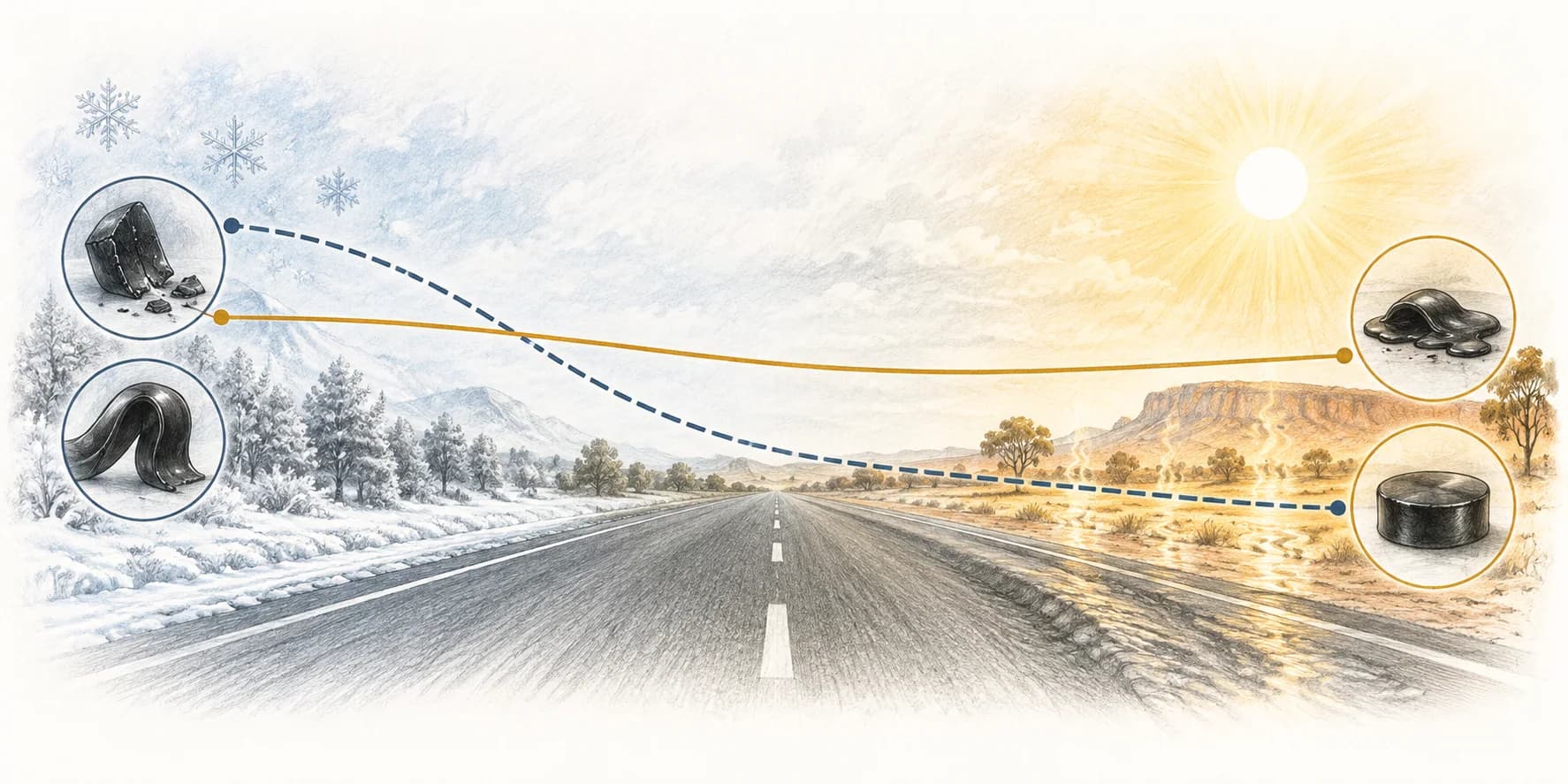
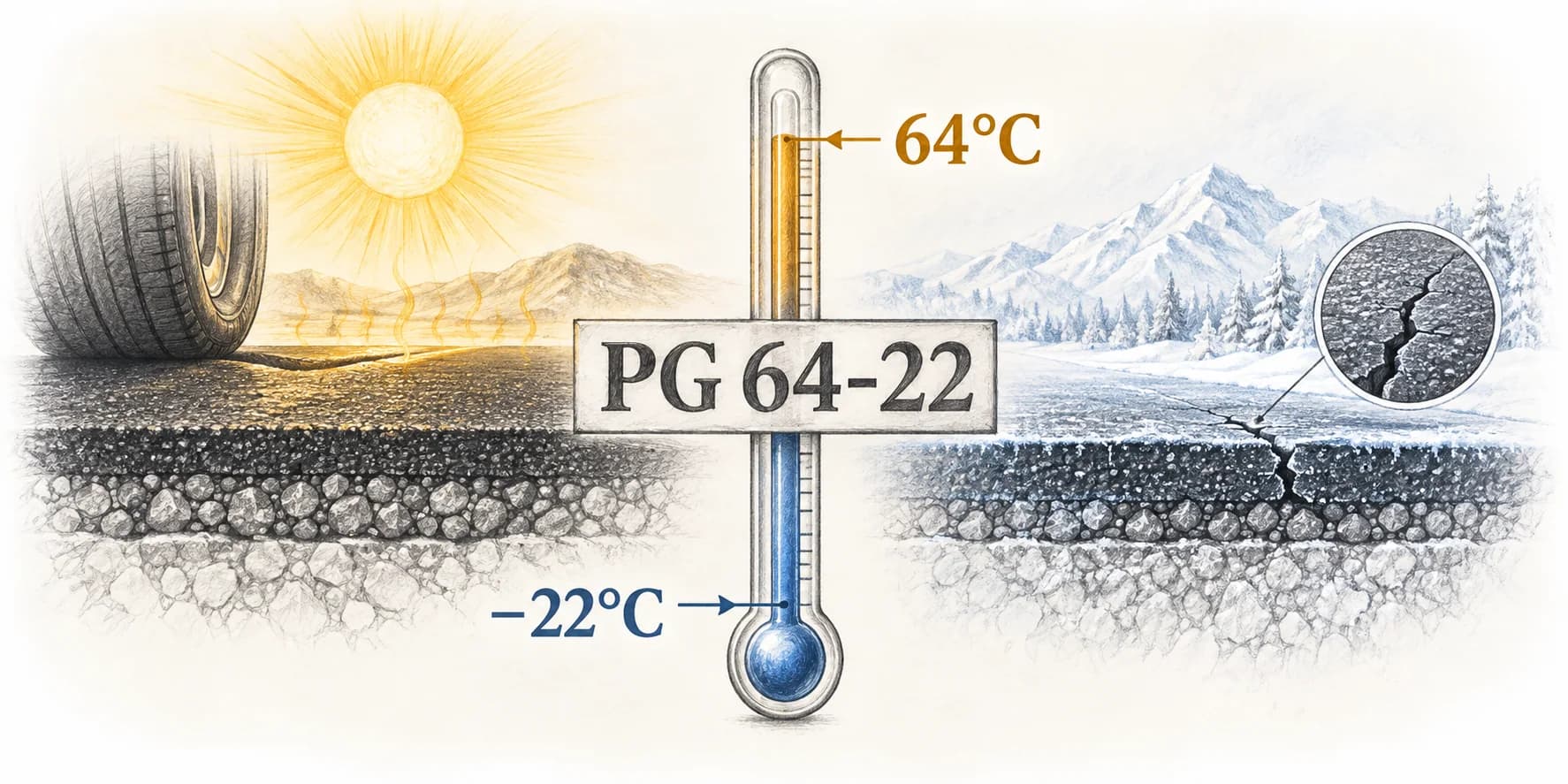
In PG XX-YY, XX is the seven-day average maximum pavement design temperature and YY is the minimum pavement design temperature.
01
XX: the rutting limit
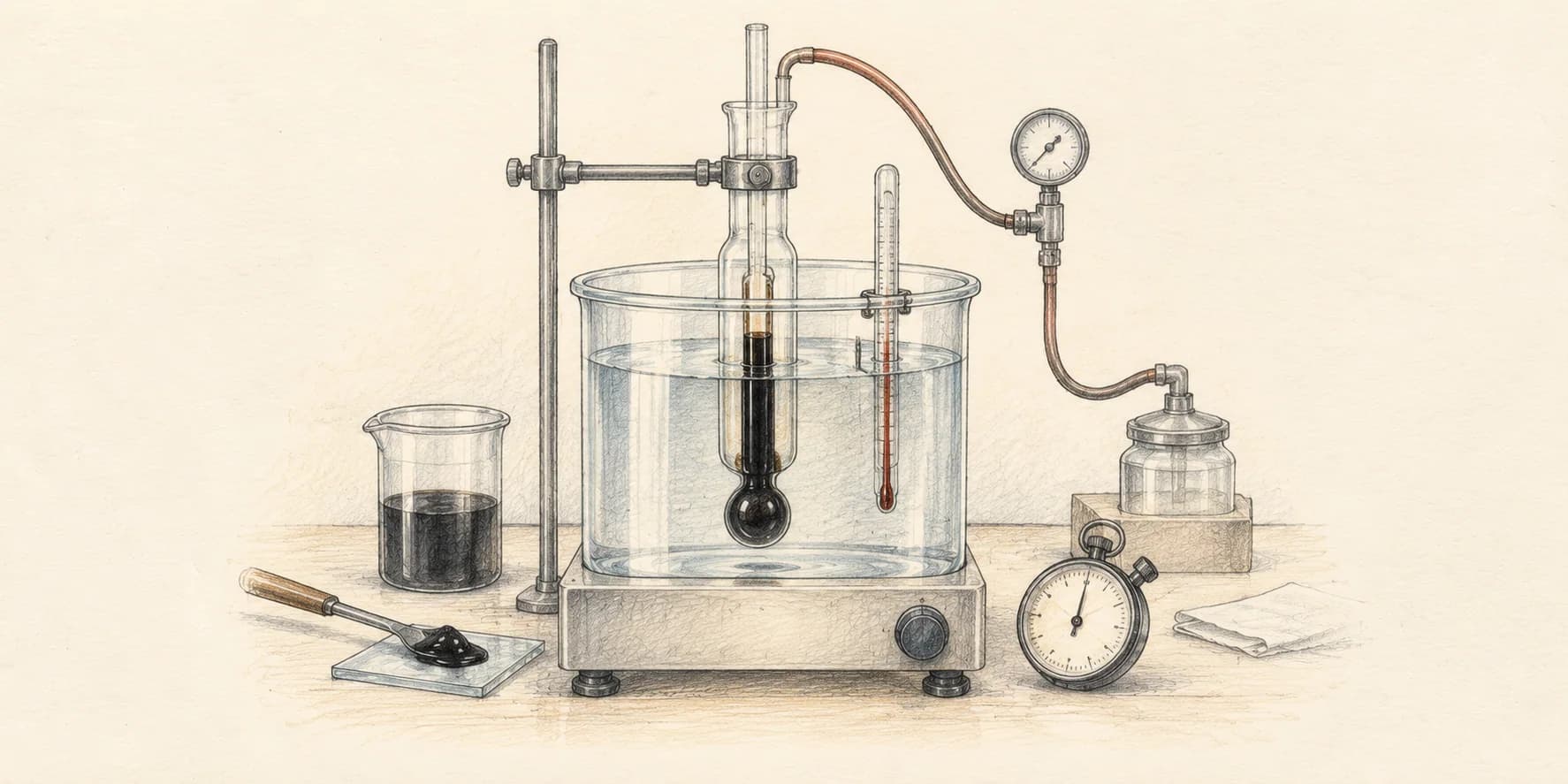
The seven-day average maximum pavement design temperature at which the binder resists rutting. The Dynamic Shear Rheometer (DSR) relates to it.
02
YY: the cracking limit
The minimum pavement design temperature at which the binder resists low-temperature cracking. The Bending Beam Rheometer (BBR) relates to it.
03
PG 64-22, for example
Targets rutting resistance at 64 °C and cracking resistance down to −22 °C.
04
Tested aged as well as new
The Rolling Thin Film Oven simulates ageing in mixing and construction; the Pressure Ageing Vessel simulates long-term in-service ageing.
04 / STRENGTHS & LIMITS
What Superpave changed.
What it tells you
The physical properties measured are directly related to field performance by engineering principles.
Test criteria remain constant, but the temperature at which they must be met changes with the grade selected for the prevailing climate.
The entire range of pavement temperatures experienced at a particular site is covered.
Three critical binder ages are simulated and tested: original binder, aged binder after production and construction, and long-term aged binder.
Tests and specifications are intended for both modified and unmodified asphalt cements.
What it does not tell you
The grade is not a regional impression: it is calculated from historical climate data for the project location, normally by the design engineer.
The grade name alone does not say whether a binder is modified; wider spreads such as PG 76-16 and PG 82-22 generally require polymer modification.
Climate associations for common grades are illustrative; the correct grade comes from site-specific pavement-temperature data and the project reliability requirement.
A grade is assigned only after the binder passes all relevant tests at the specified temperatures on unaged and artificially aged samples.
05 / FULL COMPARISON
Catalogue specifications.
Published values from each grade's AASHTO M 320 specification. Grade temperatures follow the grade name; the batch Certificate of Analysis decides.
The design engineer normally calculates the PG grade from historical climate data for the exact location, including the seven-day maximum and extreme minimum pavement temperatures plus a reliability margin.
01
Requirement
Pavements whose 7-day maximum design temperature stays below 64 °C
PG 64-10 · 64-16 · 64-22
A narrower spread, such as PG 64-22, may be met by the base binder alone.
02
Requirement
Hotter pavements, up to a 70 °C design maximum
PG 70-10 · 70-16 · 70-22
Nuroil’s PG 70-22 is a polymer modified grade.
03
Requirement
The hottest pavements and heaviest loading, up to 76 °C
PG 76-10 · 76-16 · 76-22
PG 76-XX grades generally require polymer modification; PG 76-16 and PG 76-22 are polymer modified.
04
Requirement
No grade in the documents yet
Share the location
Provide the project coordinates or city, the design reliability and traffic adjustments, and the required AASHTO, ASTM or authority test documentation.
Match the product to the crop, equipment or process and confirm the specification before you order.
01
Highways and expressways
Climate-matched binders for high-volume road construction.
02
Airport pavement
Runways and taxiways with precise load and temperature requirements.
03
Climate-variable regions
Location-specific grading across projects exposed to different extremes.
04
Pavement rehabilitation and overlays
Asphalt overlays for the rehabilitation of existing pavements, as the grade pages list.
08 / HOW IT IS MADE
How performance grade bitumen is produced.
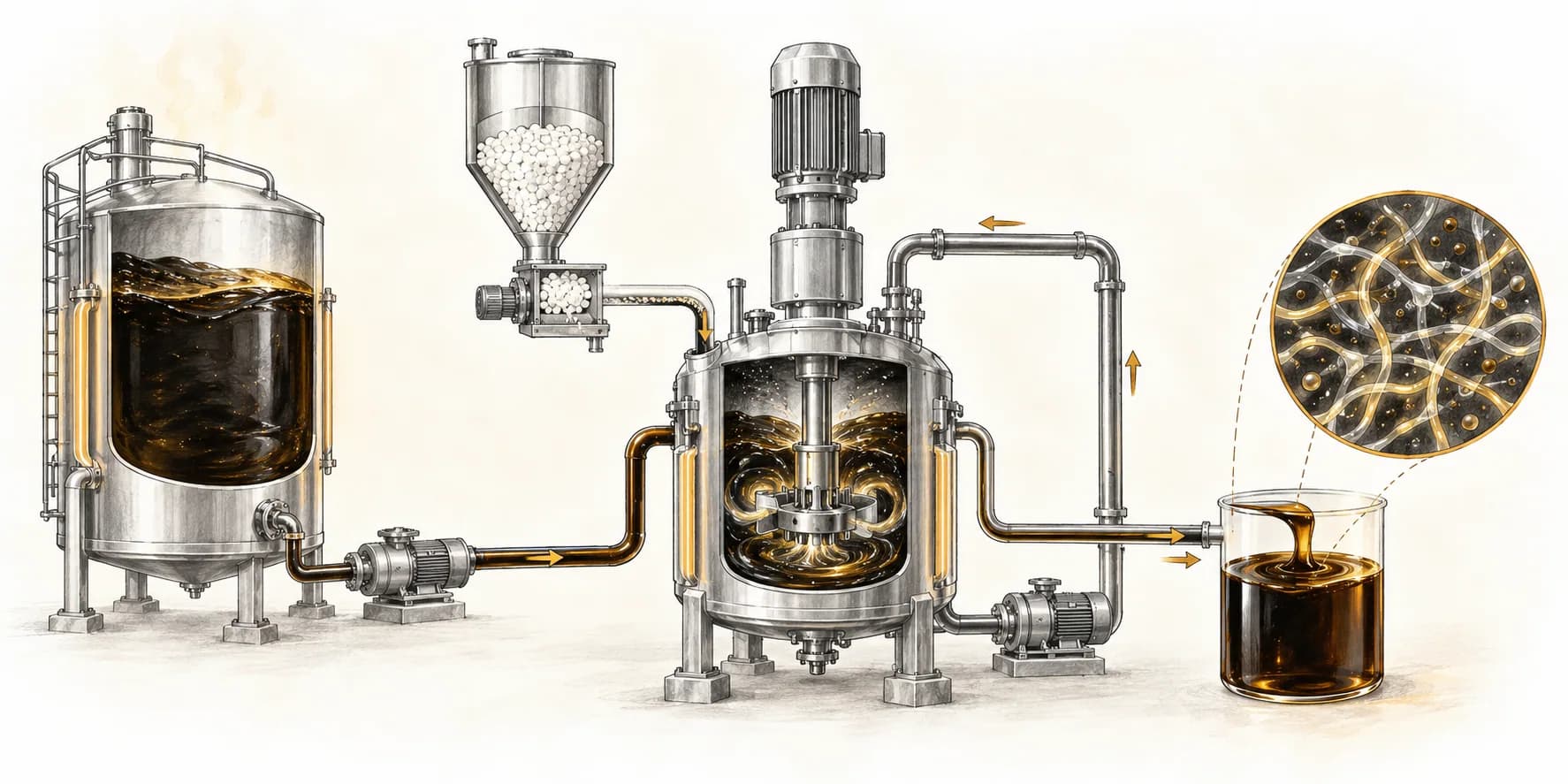
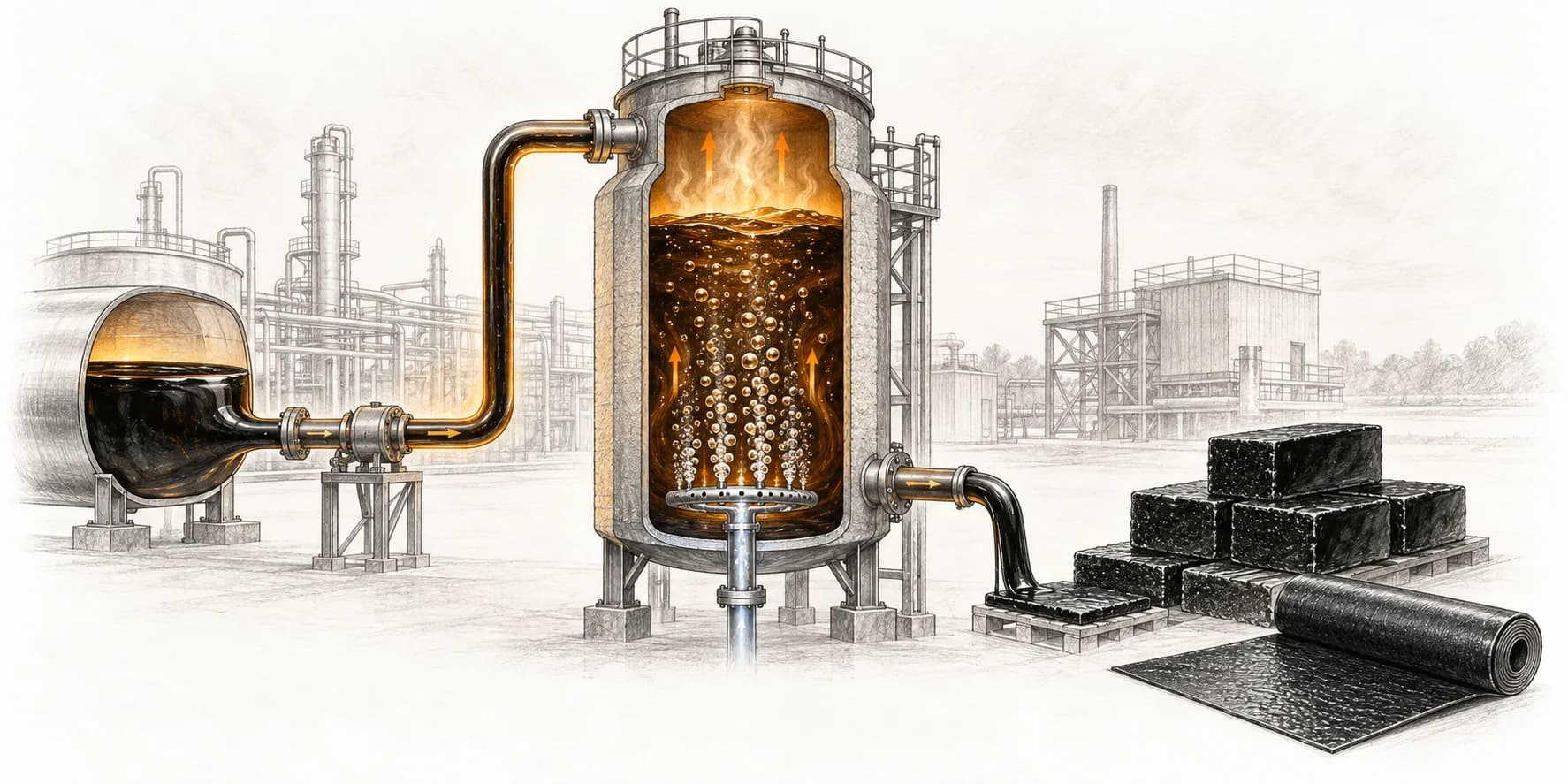
PG describes a performance specification rather than one production process. A suitable straight-run base is selected and, where the target spread demands it, polymer is blended in until the binder passes the required DSR, BBR and ageing tests.
01
Start from a straight-run base
The base binder is the heavy residue of vacuum distillation, the same straight-run material supplied as penetration grade and viscosity grade bitumen.
02
Set the target from the climate
The project’s pavement temperatures fix the high and low limits of the grade. A narrower spread, such as PG 64-22, may be met by the base binder alone.
03
Modify where the spread demands it
Wider spreads call for polymer modification, the same process used for polymer modified bitumen. Nuroil’s polymer-modified PG grades are PG 70-22, PG 76-16 and PG 76-22.
04
Age and test the binder
Samples are aged in the Rolling Thin Film Oven and the Pressure Ageing Vessel, then the DSR checks the high-temperature limit and the BBR the low-temperature limit.
05
Release against the grade
A grade is assigned only after the binder passes every relevant test. The Certificate of Analysis for each shipment reports the DSR and BBR results.
09 / COMPATIBILITY & HANDLING
Handle the specified binder system.
Confirm the required PG testing package and the receiving facilities before ordering; modified grades need PMB storage controls.
01
Grade temperature
Use storage and application temperatures appropriate to the exact grade.
02
Modified grades
Apply PMB recirculation and storage-stability controls where relevant.
03
Certification
Confirm the required PG testing package before ordering.
04
SDS controls
Follow grade-specific PPE, ventilation and hot-binder guidance.
10 / REFERENCE METHODS
Standards and test methods.
Confirm the exact standard, grade and edition stated in the project documents.
Trade and safety codes
For customs declarations, shipping documents and safety data sheets.
HS code2713.20Petroleum bitumen, as stated on the grade pages
Transport, coldNot regulatedSolid or cold product in drums or bags, per SDS
Transport, hotUN 3257Elevated temperature liquid, n.o.s., Class 9, when shipped hot in bulk, per SDS
01
AASHTO M320
US specification for performance-graded asphalt binder
02
ASTM D6373
Standard specification for performance-graded asphalt binder
03
AASHTO T315 / T313
DSR and BBR reference test methods
04
AASHTO T240 / R28
Rolling thin-film oven and pressure ageing vessel, on the grade specifications
05
National or state authority
May add traffic, climate or local test requirements
11 / PACKING & DELIVERY
Packing formats.
Availability depends on the product, quantity and receiving facilities. Confirm the arrangement for your order.
01 / CONTAINERISED · 200 / 180 / 156 KG
Drums
New steel drums for containerised supply and controlled heated handling; approximately 80 drums per 20 ft container.
The 64 is the seven-day average maximum pavement design temperature in °C at which the binder resists rutting. The −22 is the minimum pavement design temperature at which it resists low-temperature cracking.
02How do I know which PG grade my project needs?
It is calculated from historical climate data for the specific project location and is normally stated by the design engineer in the project specification. It should not be estimated from general regional impressions.
03Is PG bitumen always polymer modified?
No. Moderate-spread grades such as PG 64-22 may be achieved with straight-run bitumen, while wider-spread grades such as PG 76-16 and PG 82-22 generally require polymer modification.
04How is PG grading different from penetration or viscosity grading?
PG grading evaluates expected pavement-temperature performance using DSR, BBR and ageing simulations. Penetration and viscosity grades describe one material property measured at a fixed laboratory temperature.
05What documents come with each shipment?
Every shipment includes a Certificate of Analysis with the relevant DSR and BBR results. Certificate of Origin and MSDS are available on request.
06What packing formats are available?
Drums, jumbo bags and bulk supply are available depending on grade, order quantity and the receiving facilities at destination.
07What Incoterms do you offer?
FOB is commonly quoted from Jebel Ali, Port Khalid or Sharjah Hamriyah. CFR and CIF destination-port offers are available on request.
08Can a PG grade be tested to my project requirements?
Yes. Share the specified PG grade, or the project location if a grade has not yet been determined, and the required testing certification when requesting a quote.