Technical document

· PDF

Tell us who you are and the document downloads straight away. We use these details only to follow up on your requirement.

Samples & documents

What can we send you?

Tick what you need
Request a quote
NUROIL / BITUMEN / OXIDISED

Oxidised.Air-blown bitumen.

Higher-softening-point, lower-penetration bitumen supplied as 85/25, 90/15, 95/5 and other grades, plus ASTM D312 Type I–IV for roofing, waterproofing and protective coatings.

Oxidised5 grade pages
ProcessControlled air blowingof straight-run bitumen
Grades75/25 to 115/15others to customer specification
RoofingASTM D312 I–IVby roof slope
QualityBatch CoAon every shipment
01 / YOUR SUPPLY PARTNER

Why source
oxidised bitumen from Nuroil.

Grade, specification and delivery confirmed for your requirement, from Nuroil Trading in Sharjah.

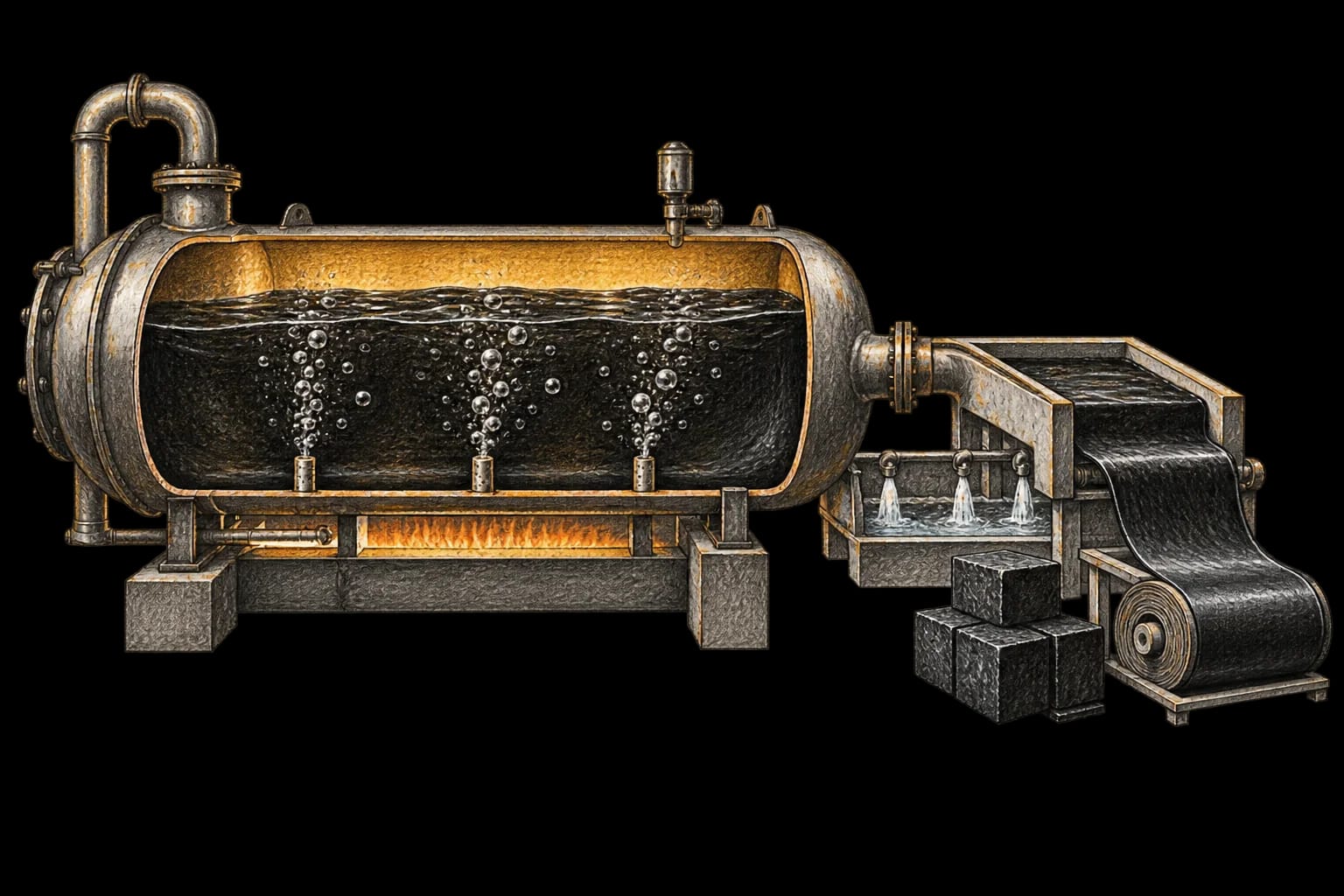
  • Pencil sketch of oxidised bitumen being air-blown in a refinery

    Grades by softening point

    Oxidised grades named by softening point and penetration, for roofing, waterproofing, coatings and industrial use.

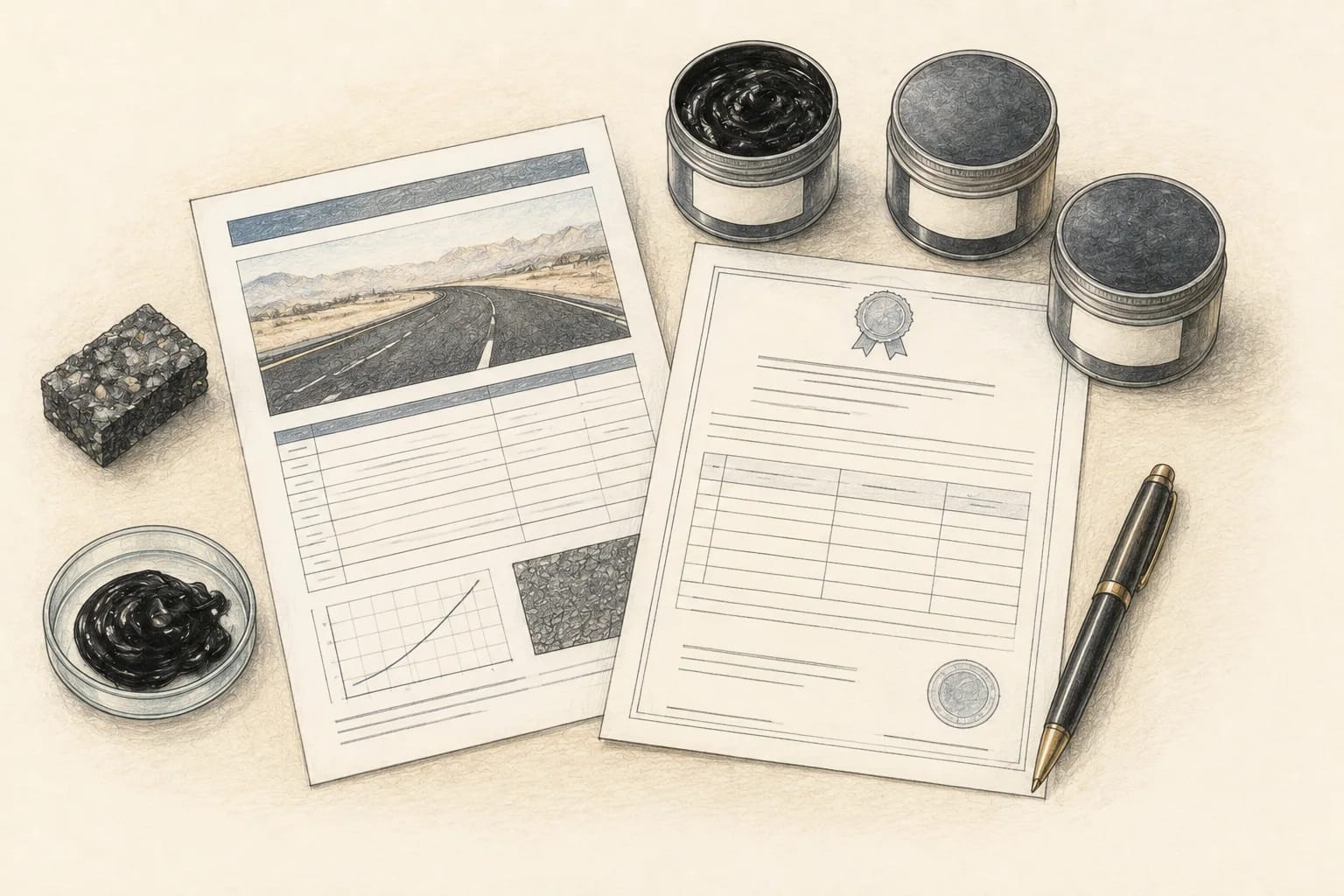
  • Pencil sketch of a technical data sheet, certificate of analysis and bitumen sample tins

    Every batch tested

    Each batch is tested for softening point and penetration before it ships, so the grade on the paperwork is the grade supplied.

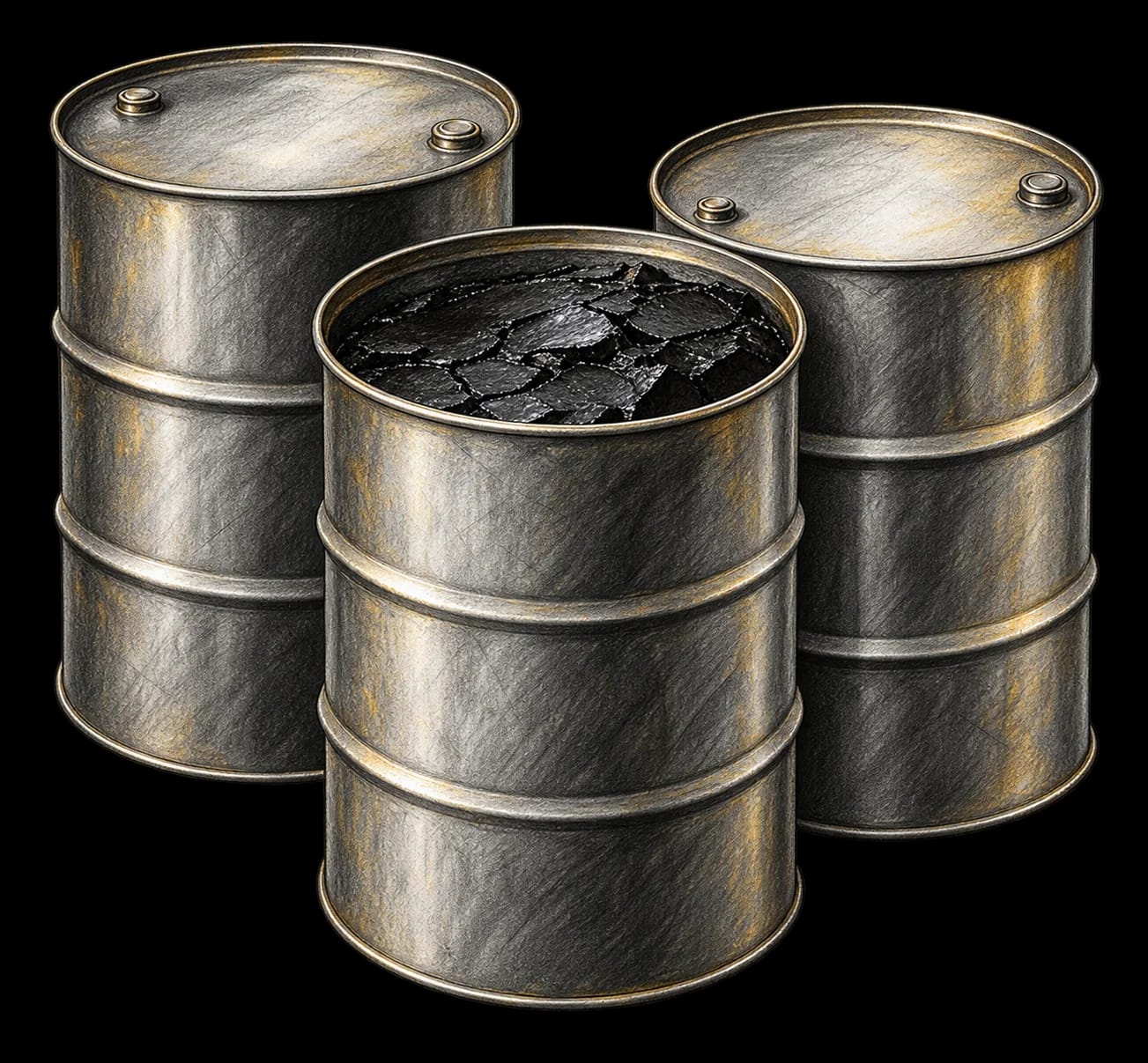
  • Pencil sketch of steel drums packing for oxidised bitumen

    Packed for your site

    Steel drums for heated handling, bags or blocks for compatible grades, or bulk for receivers with heated infrastructure.

02 / THE MATERIAL

What is
oxidised bitumen?

IN SHORT

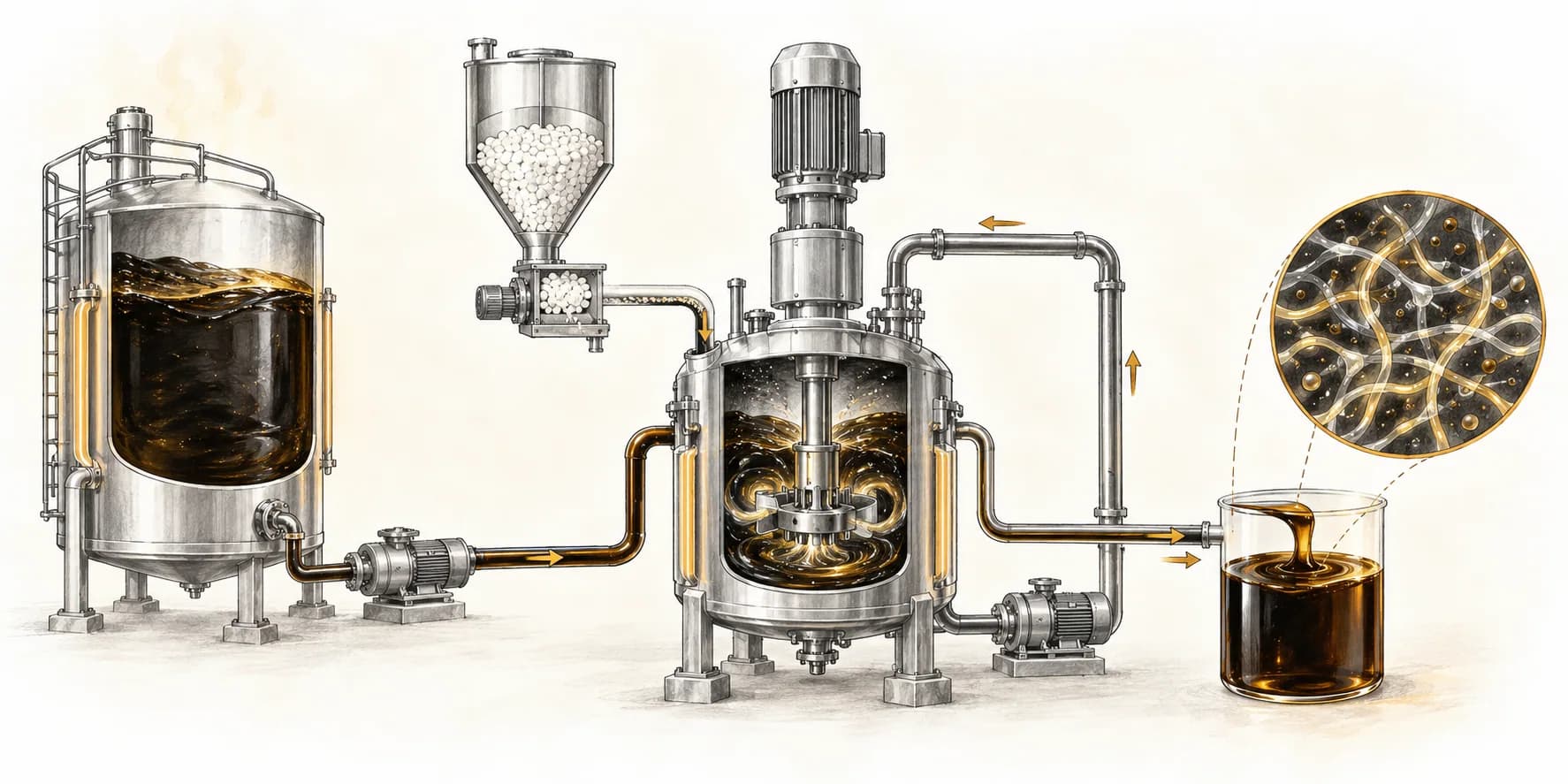
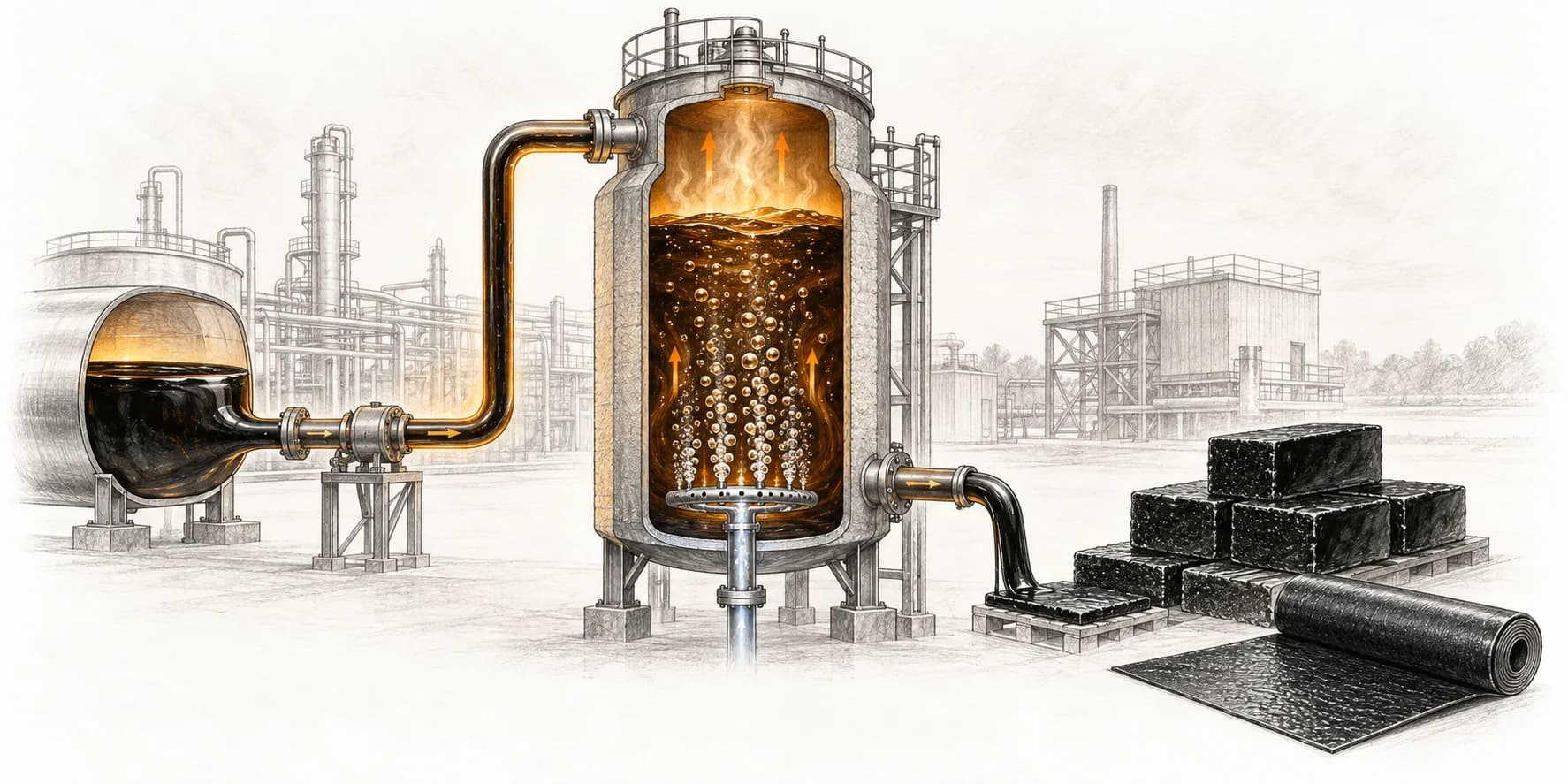
Air blown through hot straight-run bitumen drives oxidation and polymerisation, increasing softening point, reducing penetration and creating a firmer, more rubber-like material that resists flowing under summer heat.

Pencil sketch of oxidised bitumen being air-blown in a refinery
Material
Air-blown straight-run bitumen
Classification
Softening point / penetration
Standards
BS EN 13304 · ASTM D312
Range
75/25 to 115/15
03 / READING THE GRADES

Reading an
oxidised grade.

Named softening point / penetration: 85/25 softens at 80–90 °C with penetration 20–30.

  1. 01

    Softening point first

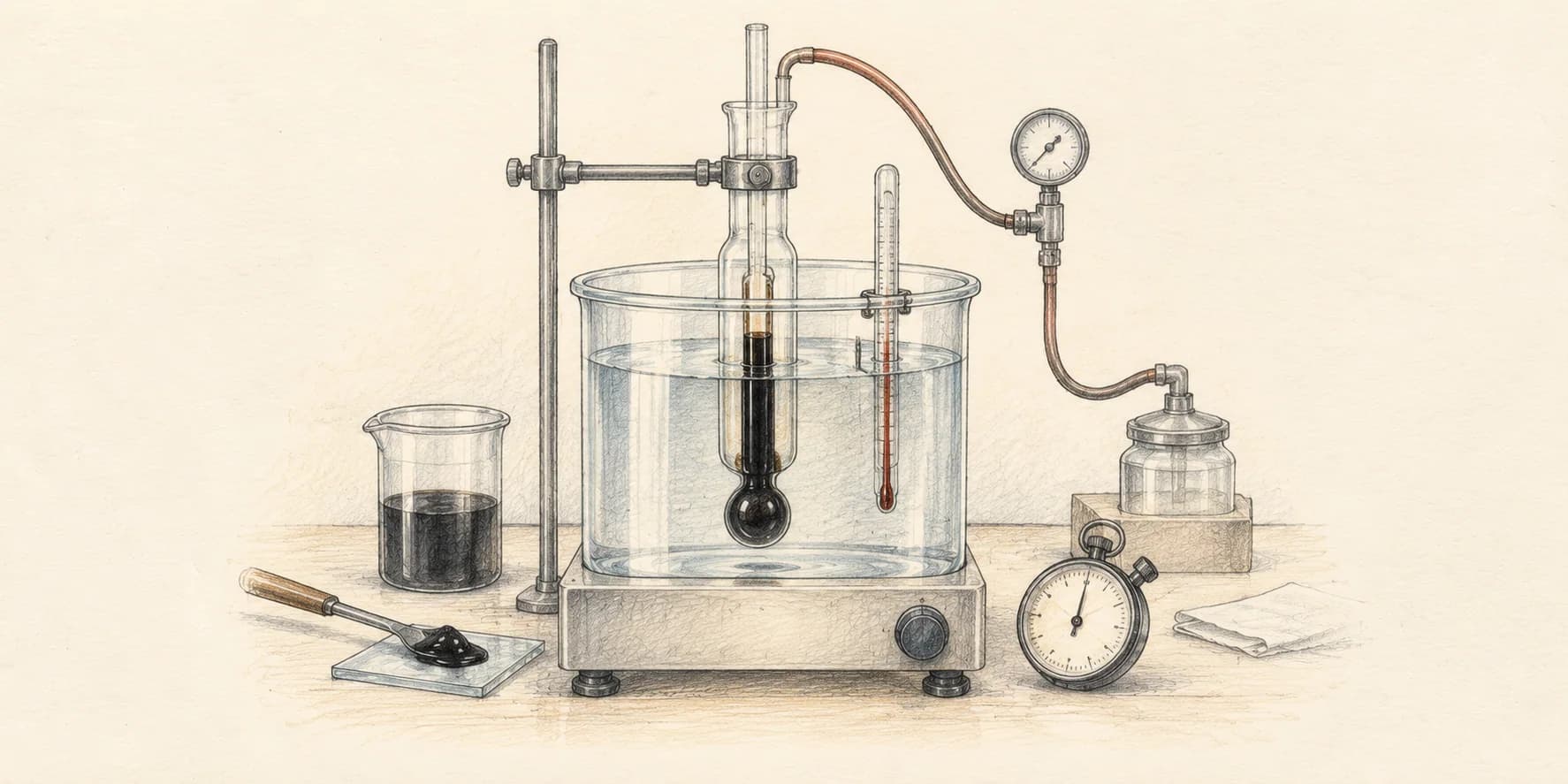
    The first number approximates the ring-and-ball softening point in °C, tested to ASTM D36.

  2. 02

    Penetration second

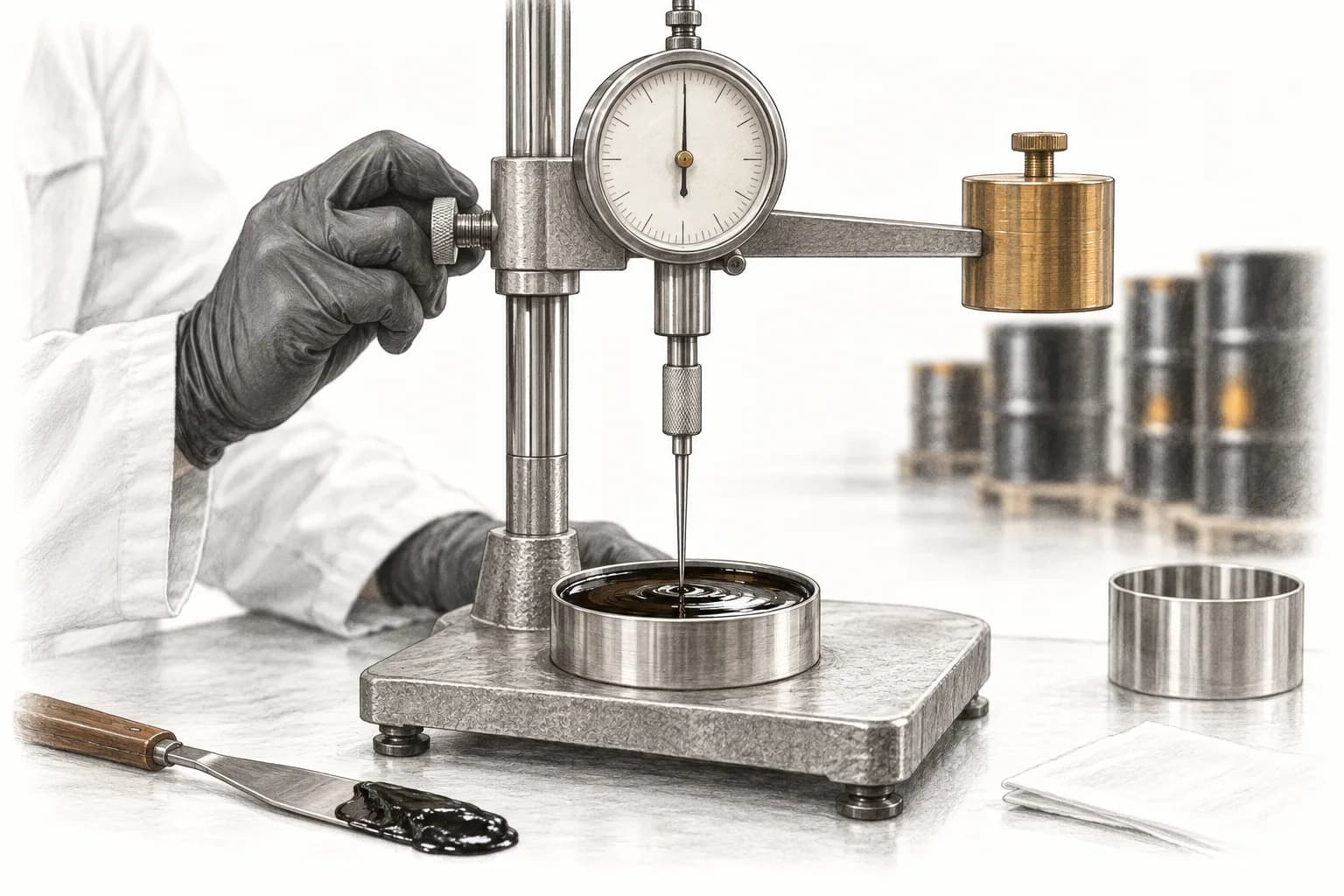
    The second number approximates the needle penetration in 0.1 mm at 25 °C, tested to ASTM D5.

  3. 03

    Higher grades stay firmer

    Higher softening points stay firm at higher temperatures: from the softer 75/25 for mastics to 115/15 for high-temperature coatings.

  4. 04

    ASTM D312 roofing types

    Types I–IV correspond to progressively steeper roof applications and increasing softening point.

04 / STRENGTHS & LIMITS

Strengths and limits
of oxidised bitumen.

What it tells you

  • High softening point: resists slump and flow under heat.
  • Water resistance: supports durable waterproofing systems.
  • Adhesion: bonds to compatible roofing and coating substrates.
  • Grade range: SP/Pen and ASTM roofing types cover distinct needs.

What it does not tell you

  • It is not a paving binder: its firm, high-softening-point character is intended for roofing, waterproofing and coating rather than flexible paving-binder service.
  • Adhesion is not universal: validate adhesion and compatibility with the substrate before full application.
  • It does not tolerate overheating: excessive heat causes further ageing and fumes.
  • The grade tables are typical commercial references only: confirm the batch CoA and the project-standard edition.
05 / FULL COMPARISON

Catalogue
specifications.

Published values from each grade's specification (BS EN 13304-2009). Other grades, from 75/25 to 105/35, are produced to customer specification. The batch Certificate of Analysis decides.

Technical data sheet · Typical values

Oxidised 85/25

NUR-BT-01Oxidised bitumen · BS EN 13304
Softening point (ASTM D36)
80–90 °C
Penetration at 25 °C, 0.1 mm (ASTM D5)
20–30
Ductility at 25 °C (ASTM D113)
1.5 cm min
Solubility in CS₂ (ASTM D4)
99% wt min
Flash point (ASTM D92)
260 °C min
Specific gravity at 25 °C (ASTM D70)
1.00–1.05
Loss on heating after RTFOT (ASTM D6)
0.2% wt
Typical use
Roofing, road maintenance and pipe coating

Typical values from each grade's published specification. The test certificate for the offered batch decides.

Issued for every batchRequest the Certificate of Analysis
06 / SELECTION

Choosing the right grade
for your application.

The most widely requested grades are 95/25, 85/25, 90/40 and 115/15. Other grades are produced to customer specification.

  1. 01
    Requirement

    Waterproofing and industrial coatings

    Oxidised 85/25

    Softening point 80–90 °C: roofing, road maintenance and pipe coating.

  2. 02
    Requirement

    Flexible membranes and adhesive compounds

    Oxidised 85/40

    The same softening point with a higher penetration, for roofing, expansion joints and corrosion protection.

  3. 03
    Requirement

    Marine mastic, pipe coating and piling compound

    Oxidised 95/25

    Softening point 90–100 °C: roofing, expansion joints and electrical insulation.

  4. 04
    Requirement

    High-temperature coatings

    Oxidised 115/15

    Softening point 110–120 °C, the firmest grade: adhesives and corrosion protection.

  5. 05
    Requirement

    Roofing by slope

    ASTM D312 Type I–IV

    Type I for dead-level roofs (57–66 °C) to Type IV for steep slopes (99–107 °C).

Open a product page.

07 / APPLICATIONS

Made for the work
your operation does.

Match the product to the crop, equipment or process and confirm the specification before you order.

Pencil sketch of roofing using oxidised bitumen01

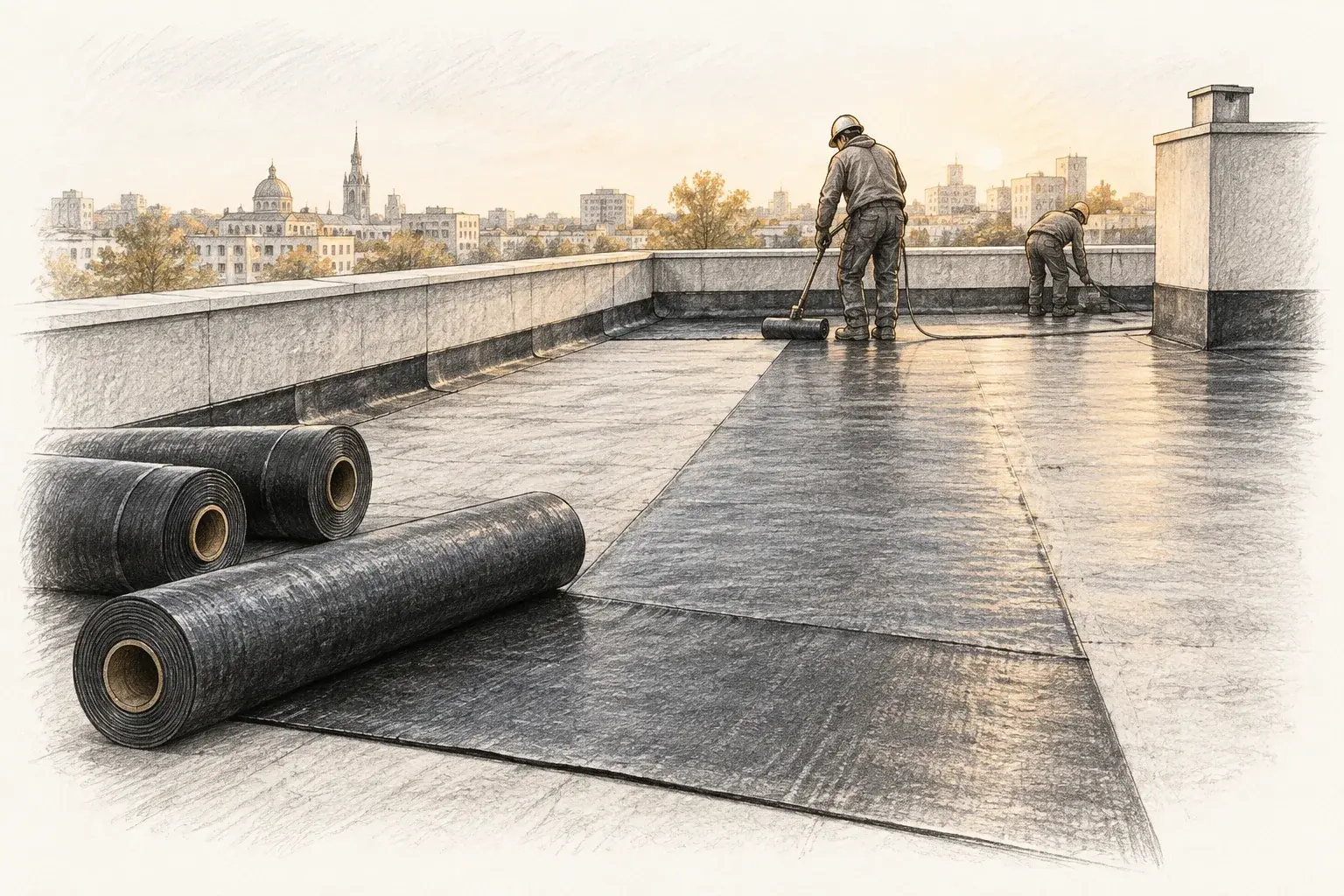
Roofing

Built-up roofing, felt saturation and membranes.

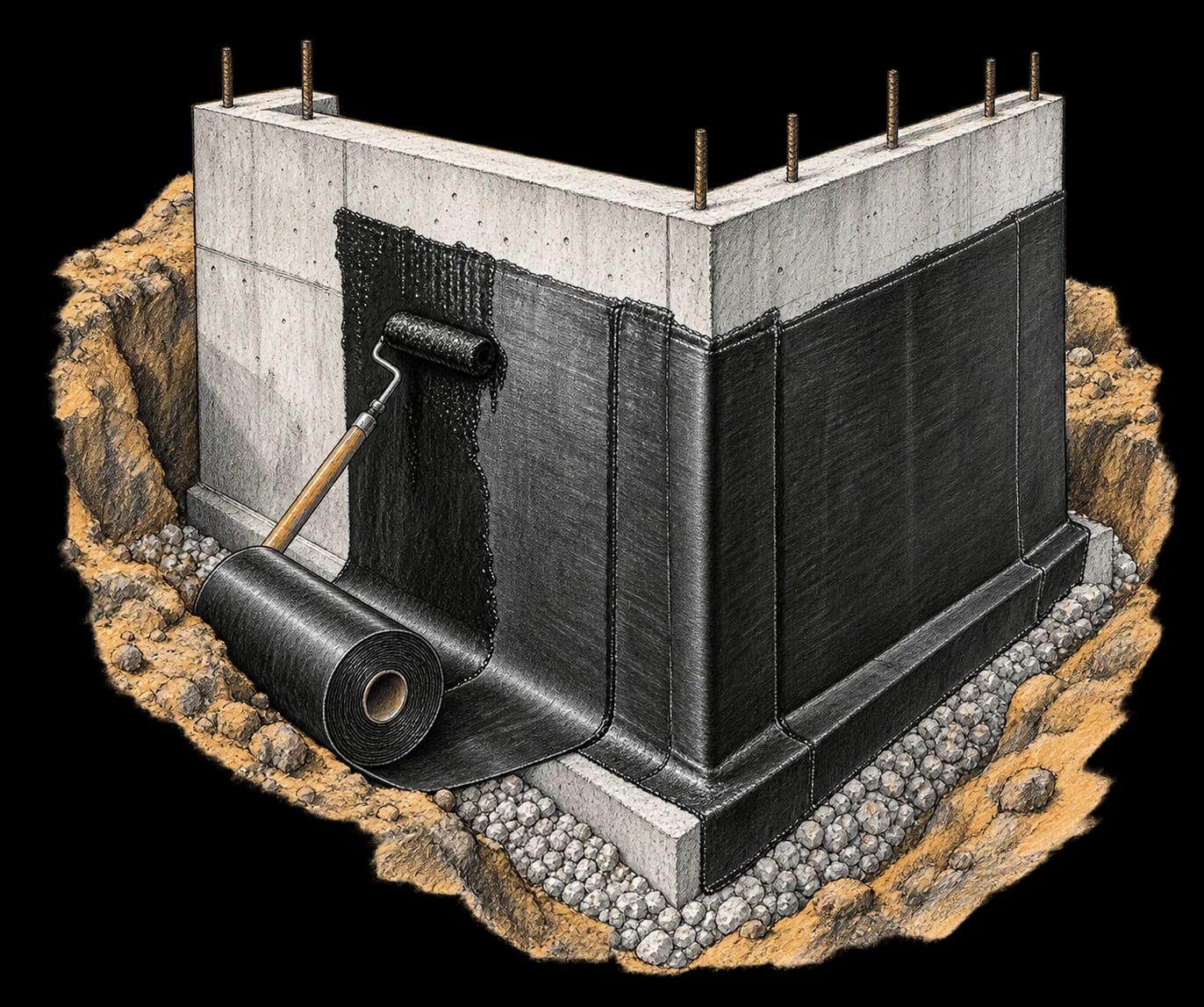
Pencil sketch of waterproofing using oxidised bitumen02

Waterproofing

Below-grade, foundation and structural moisture barriers.

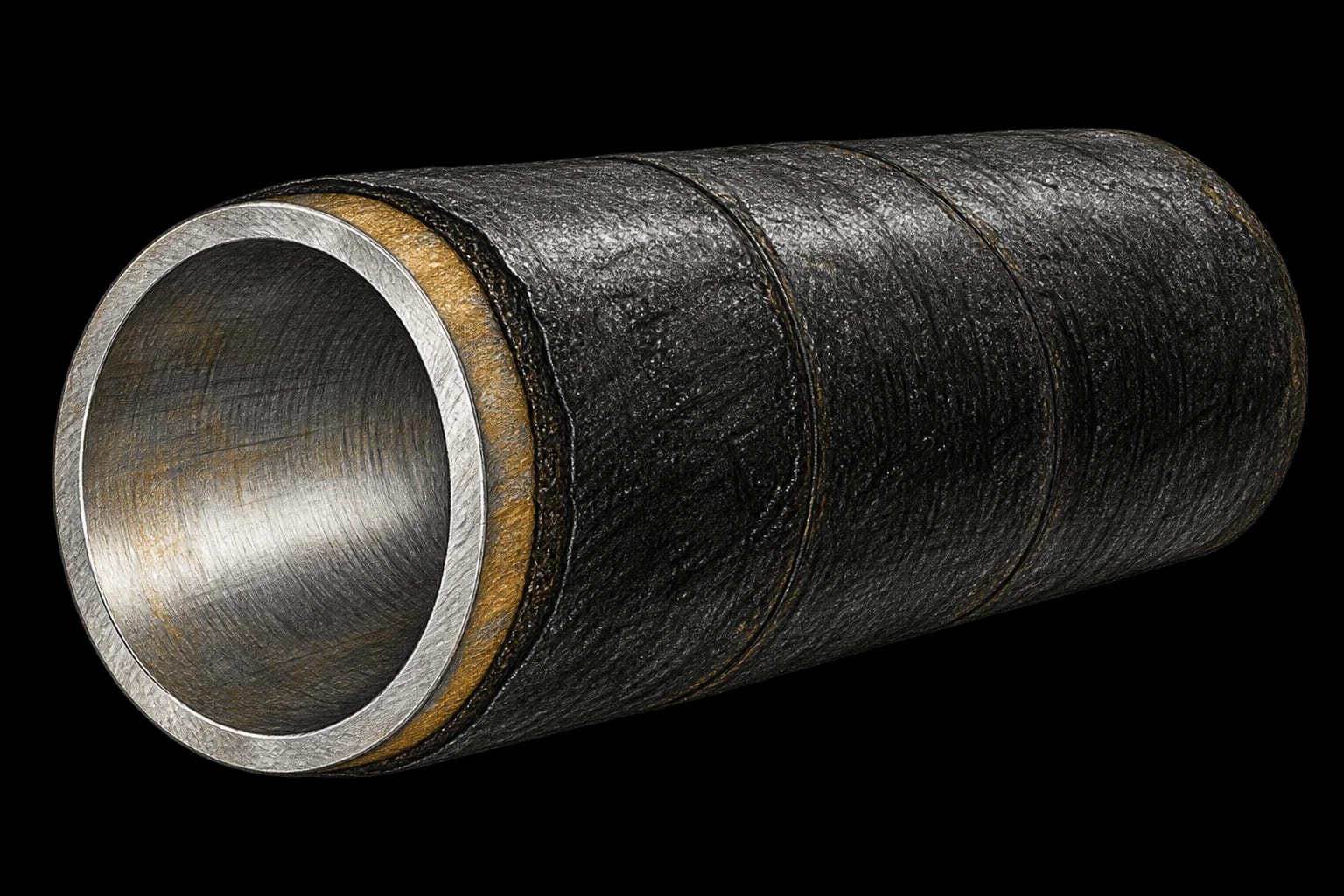
Pencil sketch of pipe coating using oxidised bitumen03

Pipe coating

Protective layers for compatible industrial pipes.

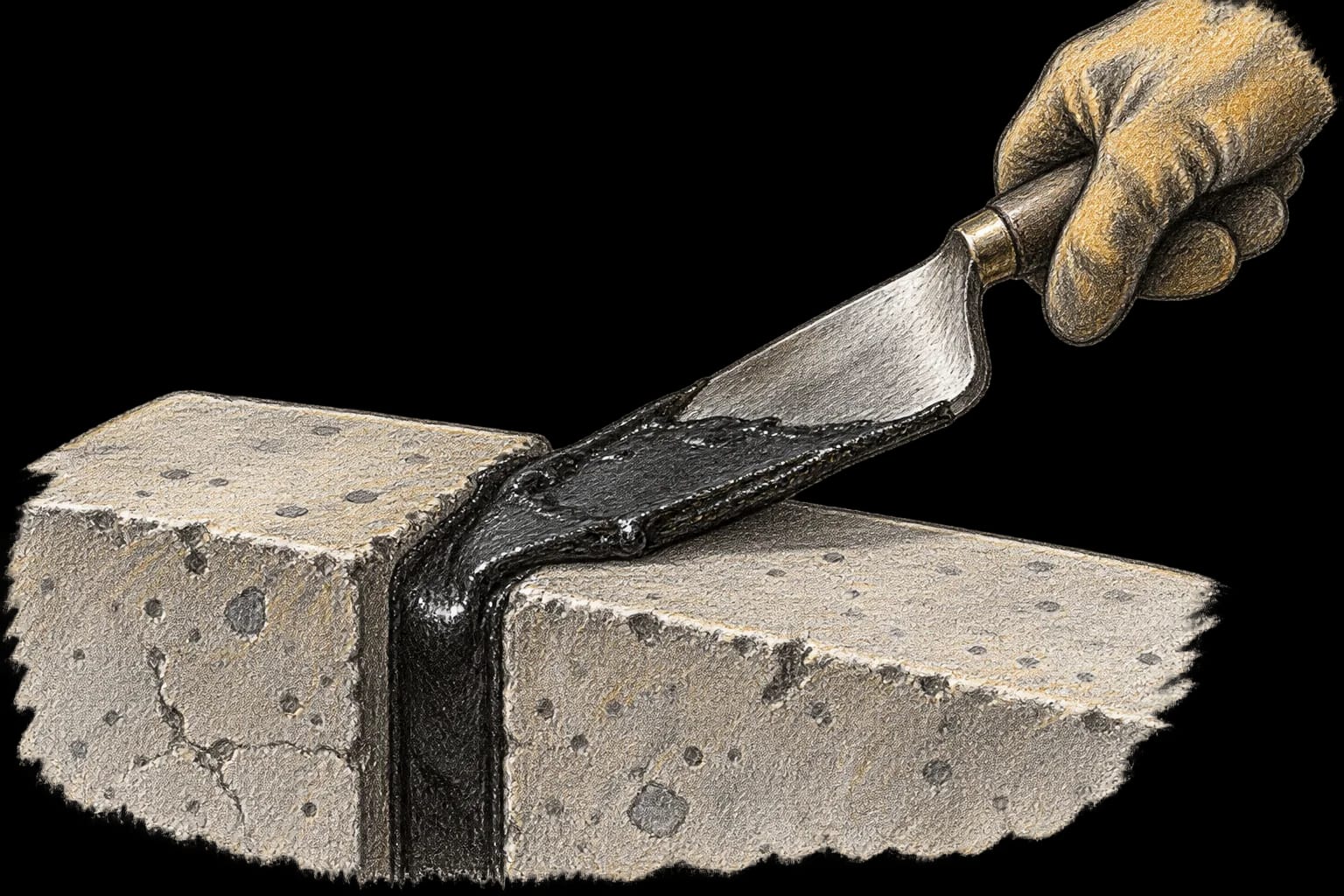
Pencil sketch of sealants and mastics using oxidised bitumen04

Sealants and mastics

Firm binder in joint, gap and insulation systems.

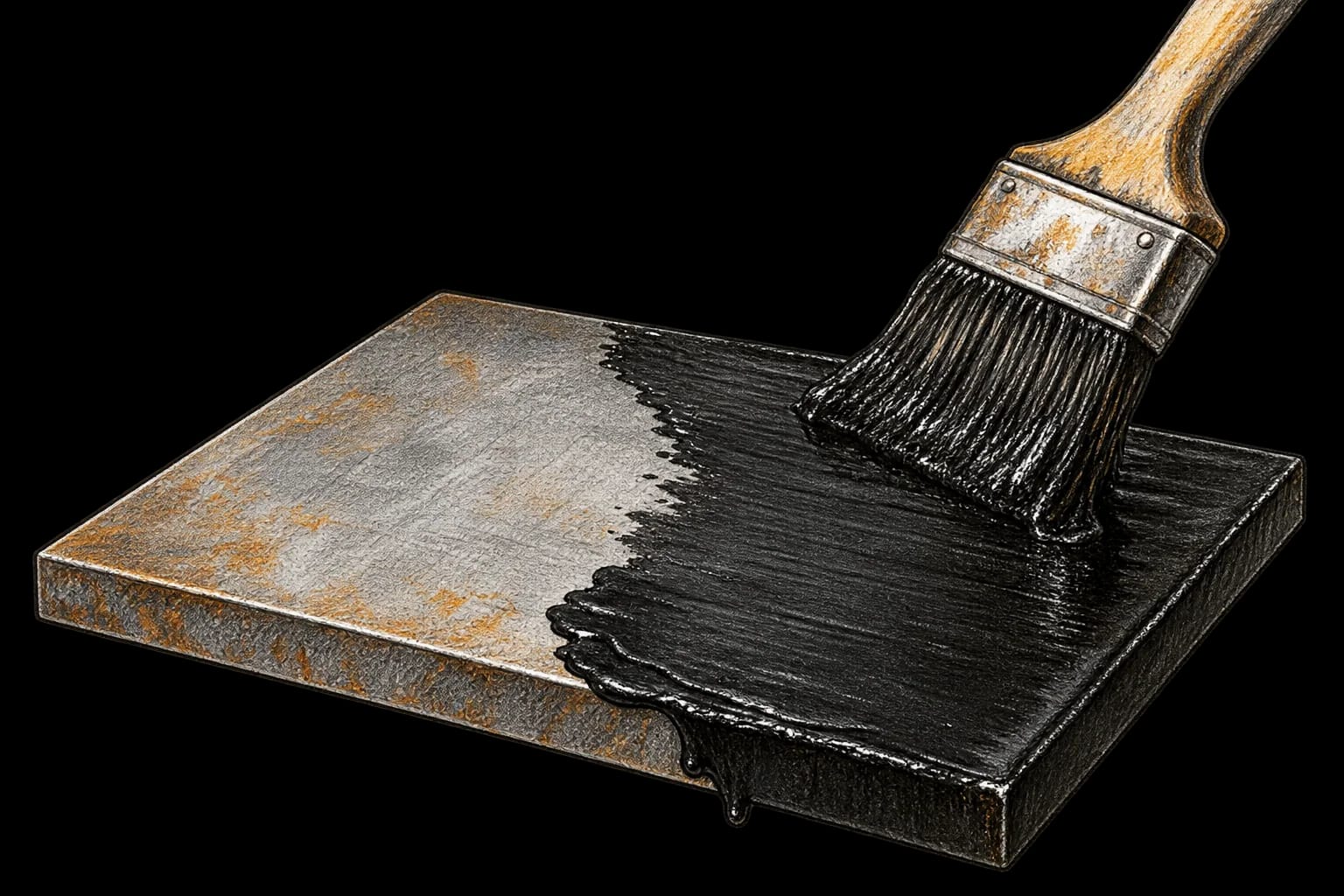
Pencil sketch of industrial coatings using oxidised bitumen05

Industrial coatings

Heat-stable corrosion and protection formulations.

08 / HOW IT IS MADE

How oxidised
bitumen is made.

Soft straight-run bitumen is heated in a blowing vessel. Controlled air flow changes its molecular structure until the targeted softening point and penetration are reached.

Crude oilFurnaceVacuumAirOxidised bitumenDrums · bulk01Feed02Heat03Blow air04Test and form
  1. 01

    Feed

    Soft straight-run bitumen enters the heated blowing vessel.

  2. 02

    Heat

    The vessel temperature is controlled so the oxidation reaction can proceed.

  3. 03

    Blow air

    Air bubbles through the hot binder, driving oxidation and polymerisation that raise softening point and reduce penetration.

  4. 04

    Test and form

    Once the targeted softening point and penetration are reached, the material is tested, cooled and packed.

09 / COMPATIBILITY & HANDLING

Plan heating
and application.

Confirm heating, substrate and handling requirements for your grade and packing format before the shipment arrives.

  1. 01

    Grade temperature

    Use grade-specific heating and pumping ranges.

  2. 02

    Avoid overheating

    Excessive heat causes further ageing and fumes.

  3. 03

    Confirm substrate

    Validate adhesion and compatibility before full application.

  4. 04

    Use the SDS

    Follow PPE, ventilation and burn-prevention guidance.

10 / REFERENCE METHODS

Standards and
test methods.

Confirm the exact standard, grade and edition referenced in the project before ordering.

Trade and safety codes

For customs declarations, shipping documents and safety data sheets.

  • HS code2713.20Petroleum bitumen
  • SpecificationBS EN 133042009 edition, as each grade’s data sheet cites it
  • Roofing typesASTM D312Types I–IV, by roof slope
01
BS EN 13304
Oxidised bitumen specification cited on each grade’s data sheet
02
ASTM D312
Oxidised asphalt for roofing
03
ASTM D36
Ring-and-ball softening point
04
ASTM D5
Needle penetration at 25°C
05
Project specification
May set additional local limits
11 / PACKING & DELIVERY

Packing
formats.

Availability depends on the product, quantity and receiving facilities. Confirm the arrangement for your order.

  • 01 / CONTAINERISED SUPPLY

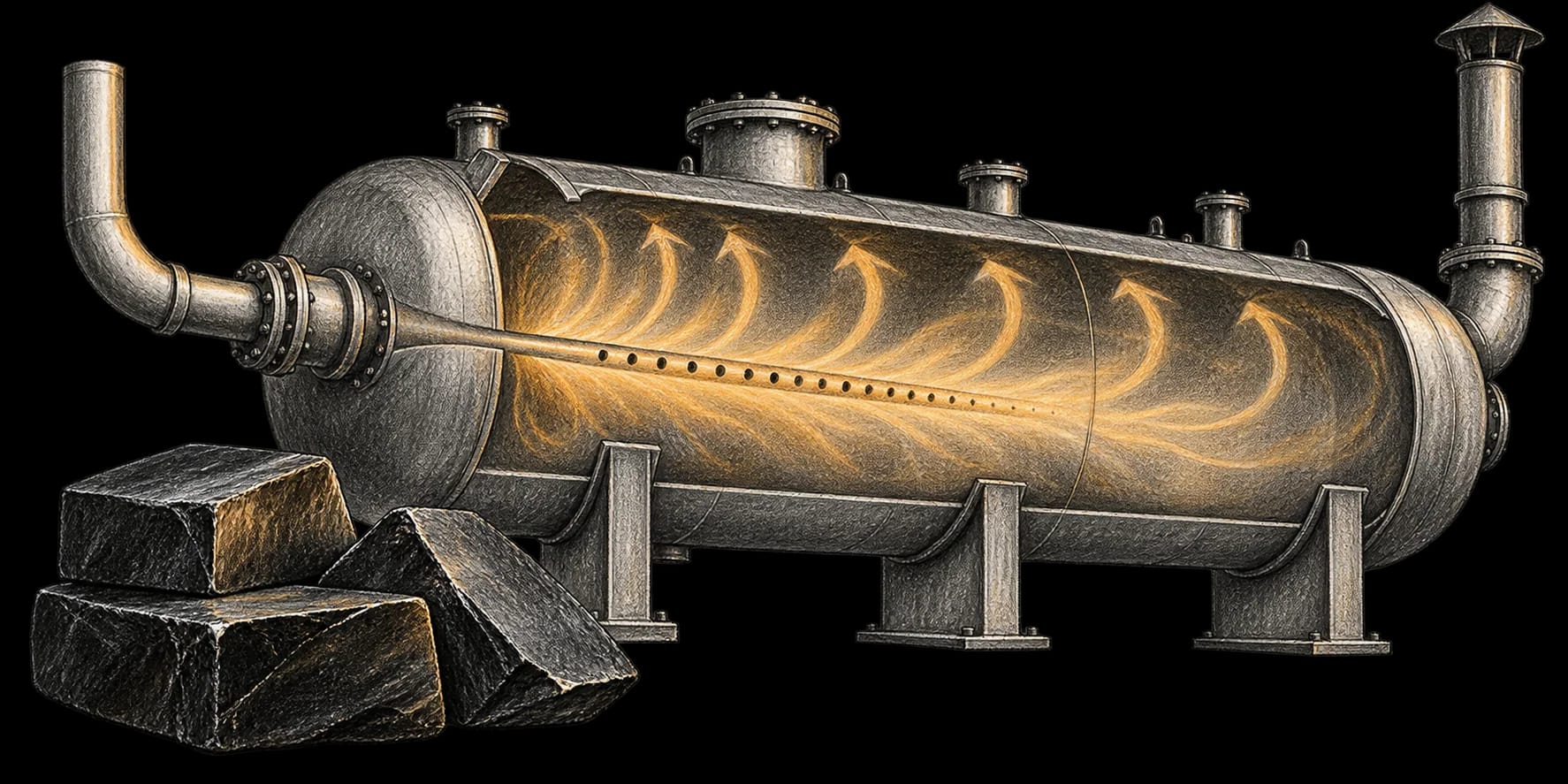
    Steel drums

    Containerised supply for heated handling; 80 drums of 180 kg, about 14.4 t, per 20 ft container on pallets.
    Discuss this format
  • 25 kg
    02 / SOLID COOLED FORMAT

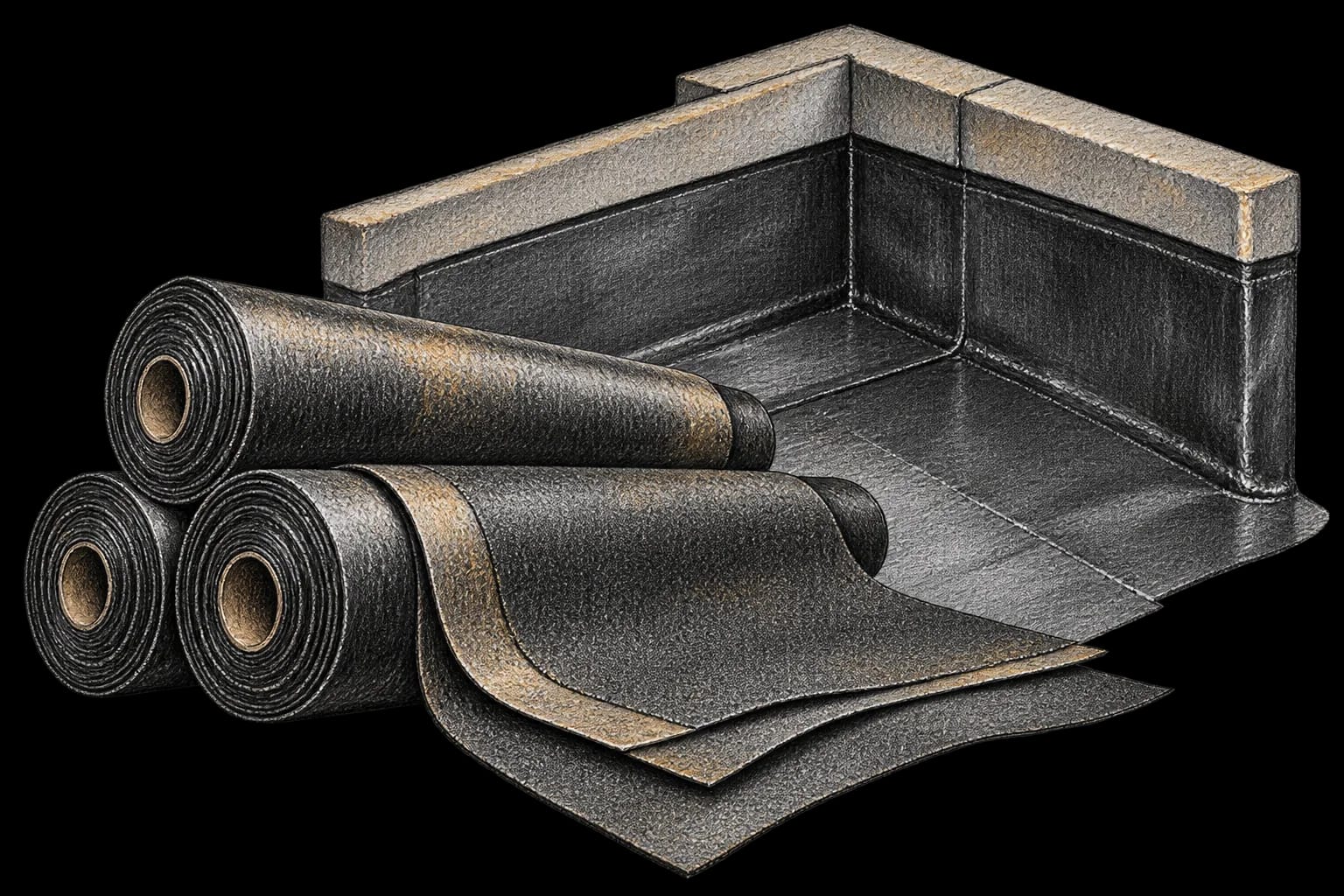
    Bags or blocks

    Solid cooled format for compatible grades; 25 kg kraft or PP bags or cartons, about 20 t per 20 ft container.

    Discuss this format
  • 03 / HEATED RECEIVERS

    Bulk supply

    For receivers with suitable heated infrastructure.

    Discuss this format
13 / PRICE ON THE DAY

Get today’s price.

Prices follow the market, so we quote each order on the day. Share your product, quantity and delivery point and we send a firm offer within 24 hours.

Request today’s price
14 / BUYING THIS RANGE

Frequently asked questions.

Product, documentation, delivery and terms for this range.

Question not listed?

Share your grade, destination and packing and we will answer with the offer.

Discuss your requirement ↗
01What does oxidised or blown bitumen mean?
Air is blown through hot straight-run bitumen, raising softening point and reducing penetration.
02What does 85/25 mean?
The first number approximates softening point in °C and the second penetration in 0.1 mm at 25°C.
03Can oxidised bitumen be used for road paving?
No. Its firm, high-softening-point character is intended for roofing, waterproofing and coating rather than flexible paving-binder service.
04What is the difference between ASTM D312 Types I–IV?
They correspond to progressively steeper roof applications and increasing softening point.
05What documents come with each shipment?
Every shipment includes a Certificate of Analysis. Certificate of Origin and MSDS are available on request.
06What packing formats are available?
Drums, bags or blocks and bulk supply depend on grade, quantity and receiving facilities.
07What Incoterms do you offer?
FOB is commonly quoted from UAE ports; CFR and CIF destination-port offers are available.
08How is it tested before shipment?
Each batch is tested for softening point using ASTM D36 and penetration using ASTM D5.
THE BITUMEN RANGE

Switch family 08 / 09

  1. Penetration Grade BitumenGraded by needle penetration
  2. Viscosity Grade BitumenGraded by viscosity at 60 °C
  3. Australian Standard BitumenAS 2008 classes and Multigrade
  4. Performance Grade BitumenGraded for the climate
  5. Polymer Modified BitumenElastic, high-stress binders
  6. Bitumen EmulsionsWater-based, cold applied
  7. Cutback BitumenSolvent-thinned, cold applied
  8. You’re hereOxidised BitumenAir-blown for roofing and coatings
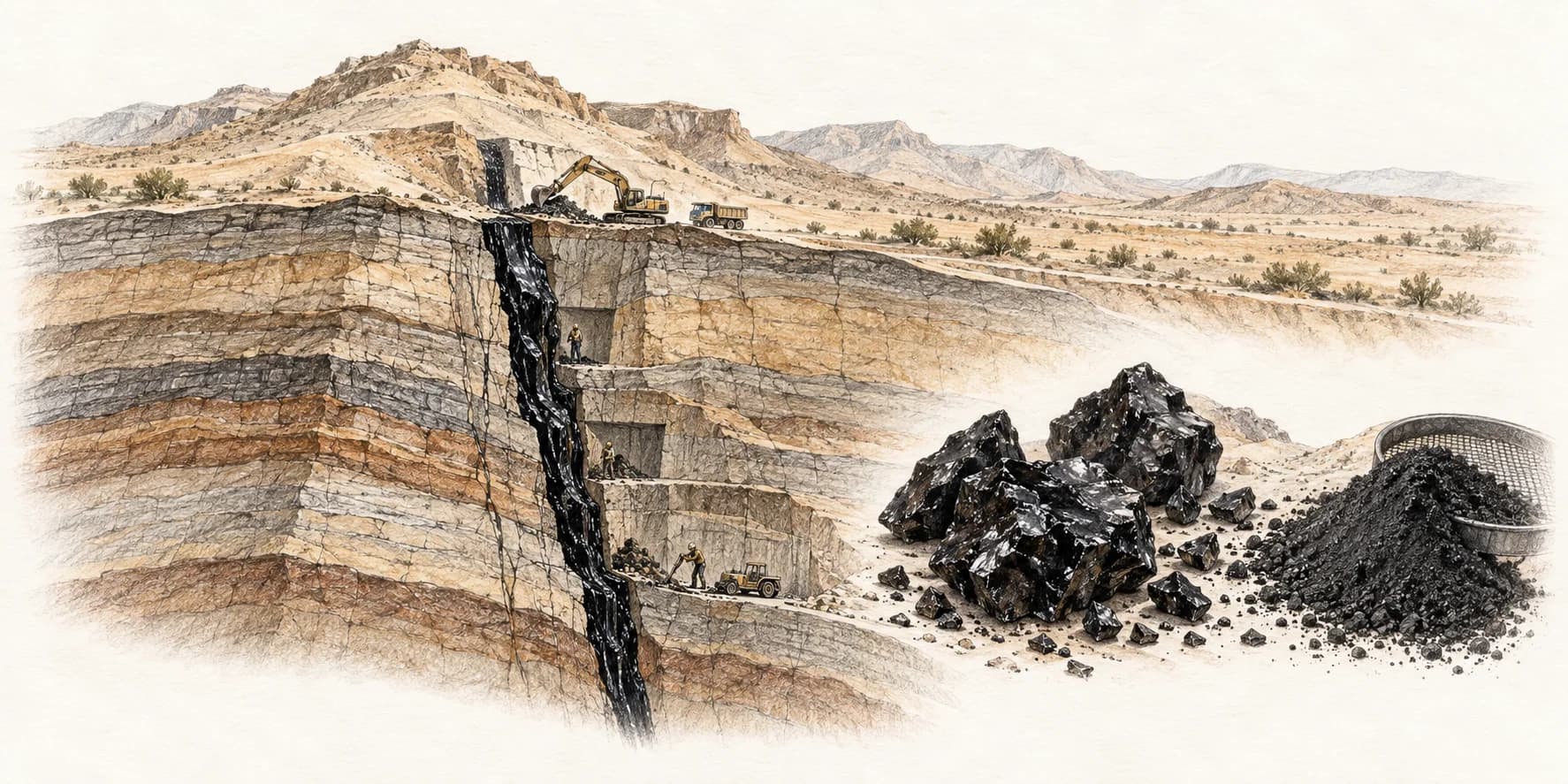
  9. Natural Bitumen (Gilsonite)Natural asphaltite
FROM THE KNOWLEDGE CENTRE

Guides & articles

Written by our trade desk to help you specify, compare and buy with confidence.

All guides & articles
ArticleBitumen · 3 minHow bitumen is used in roofing and waterproofing for buildings

Oxidised bitumen, modified membranes and bitumen primers and coatings: how each keeps water out of roofs, basements and…

Read
ArticleBitumen · 3 minWhat the numbers in oxidised bitumen grades such as 85/25 mean

Oxidised bitumen grades are named by softening point and penetration. How to read 85/25 or 115/15, and why the order differs from…

Read
ArticleBitumen · 3 minHow oxidised bitumen is used to coat steel pipelines

How hot-applied oxidised bitumen enamel protects buried steel pipe, the layers in a typical system, its temperature limits and…

Read
GuideBitumen · 3 minOxidised bitumen 85/25, 90/15, 95/25 and 115/15 specifications compared

Typical specification ranges, test methods and uses for oxidised bitumen grades 85/25, 90/15, 95/25 and 115/15, side by side.

Read
GuideBitumen · 3 minChoosing an oxidised bitumen for built-up roofing: ASTM D312 types

How ASTM D312 roofing asphalt types I to IV are defined, how roof slope and climate guide the choice, and how oxidised grades…

Read
GuideBitumen · 3 minMelting, handling and packing oxidised bitumen

A practical reference for packing, storing and melting solid oxidised bitumen safely, with kettle temperatures, water hazards and…

Read
LET’S TALK ABOUT YOUR REQUIREMENTS

Your next shipment starts here.

Request a quote