IS 15462 · EN 14023Polymer modified gradesPMB 40 to PMB 82-10
Polymer modified7 grades
ModificationSBS · plastomer · CRMBas the project specifies
StandardsIS 15462 · EN 14023and PG-classified PMB
RangePMB 40 to PMB 82-107 grades
QualityBatch CoAelastic recovery and storage stability
PMB0%
01 / YOUR SUPPLY PARTNER
Why source polymer modified bitumen from Nuroil.
Grade, specification and delivery confirmed for your requirement, from Nuroil Trading in Sharjah.
SBS, plastomer and CRMB
Polymer modified grades for high-stress pavements, selected by the modification and performance the project specifies.
Elastic recovery on the CoA
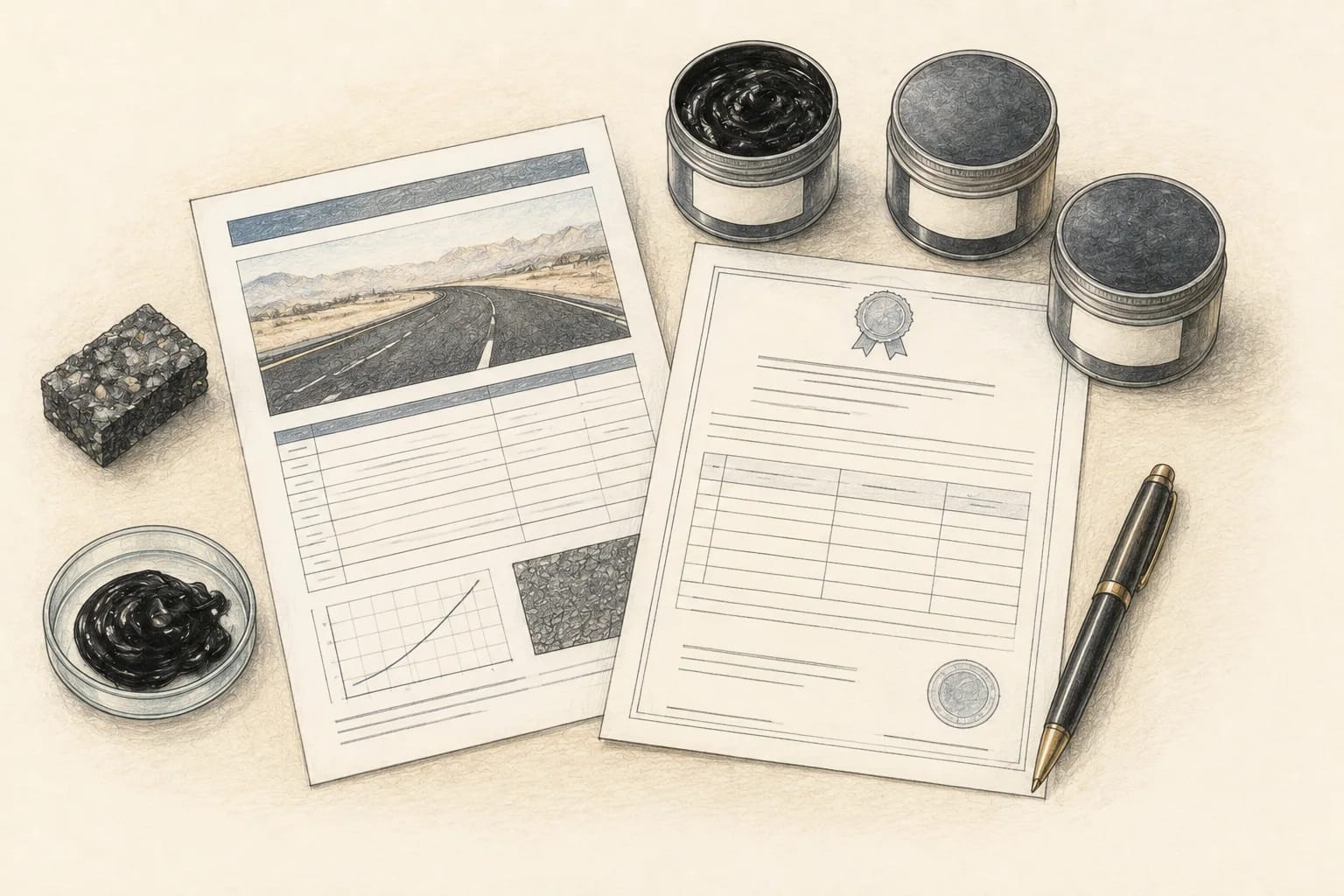
The Certificate of Analysis reports elastic-recovery and storage-stability results for the released batch.
Packed for your site
New steel drums, jumbo bags where compatible, or bulk for buyers with heated tanks and recirculation.
02 / THE MATERIAL
What is polymer modified bitumen?
IN SHORT
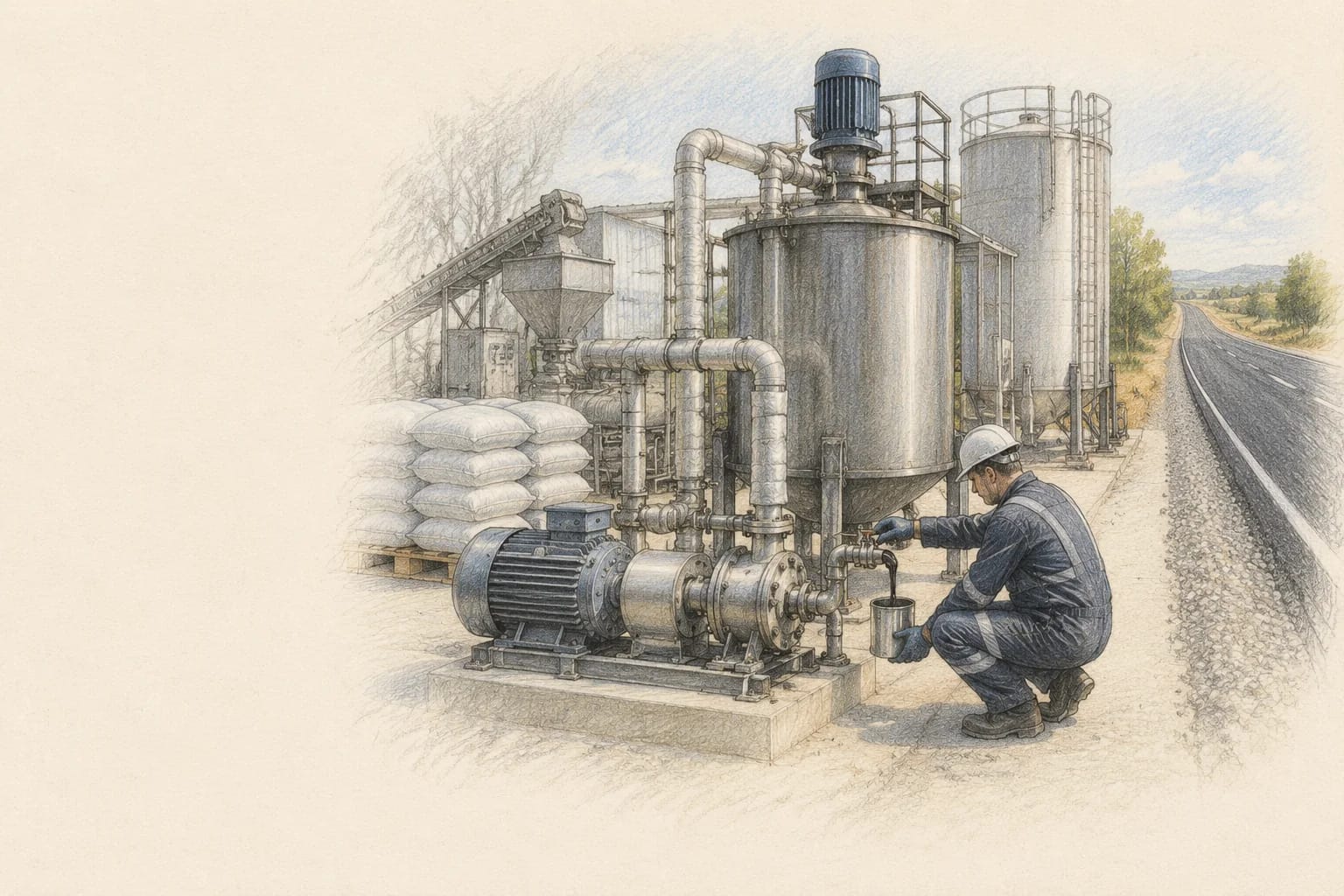
PMB is straight-run bitumen blended with polymers under high shear at elevated temperature.
Base
Straight-run bitumen
Modifiers
SBS · plastomer · crumb rubber
Standards
IS 15462 · EN 14023
Range
PMB 40 to PMB 82-10
03 / READING THE GRADES
Types of polymer modification.
Confirm the modification type in your project specification; these systems are not direct substitutes.
01
SBS elastomer
Styrene-butadiene-styrene provides rubber-like elasticity and strong recovery: the most widely specified system for high-performance roads.
02
Plastomer
EVA or PP stiffens the binder and improves high-temperature deformation resistance, with less recovery than SBS.
03
Crumb rubber (CRMB)
Recycled tyre rubber improves elasticity while providing a productive route for waste rubber.
04
Penetration or PG classified
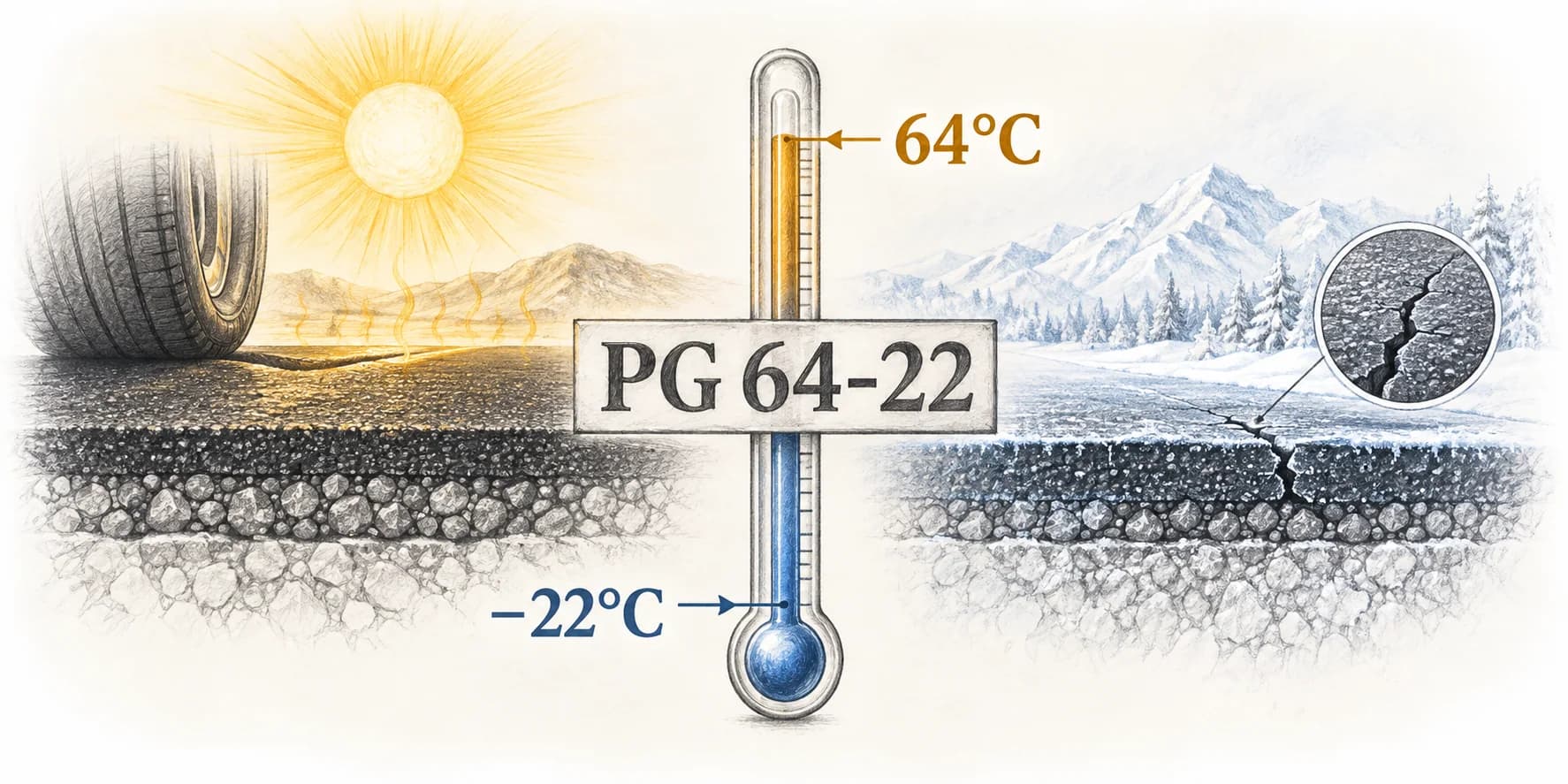
PMB 40 and PMB 70 are specified by penetration, softening point and elastic recovery; PMB 64-10 to PMB 82-10 are named by the PG temperatures they are designed for.
04 / STRENGTHS & LIMITS
Strengths and limits of PMB.
What it tells you
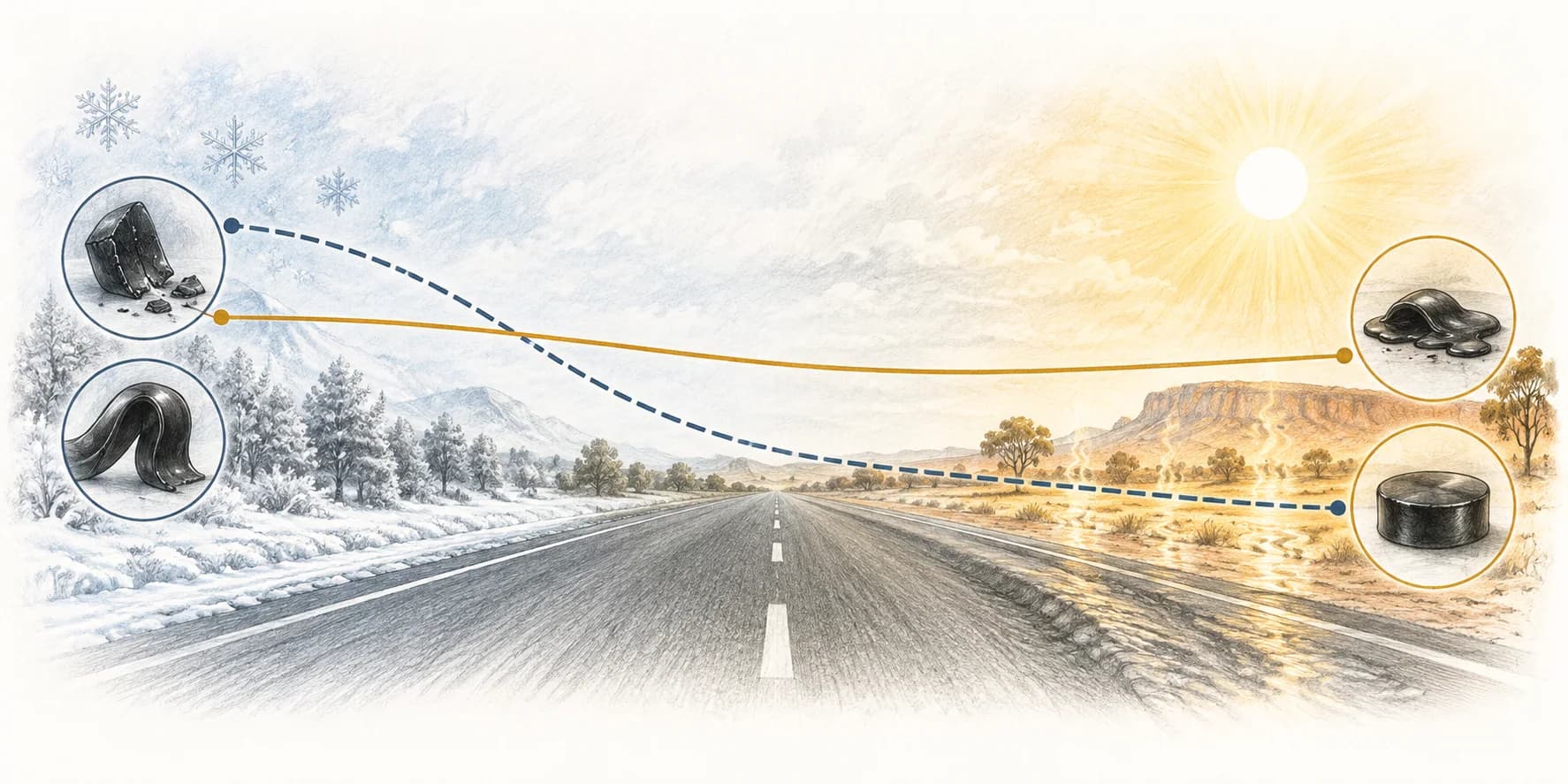
Elastic recovery: the binder returns toward its original shape after loading.
Rutting resistance: it limits permanent wheel-path deformation under high heat and concentrated traffic.
Fatigue resistance: it endures more repeated stress cycles and thermal cycles.
Wider temperature range: it reduces temperature susceptibility, and can extend time between resurfacing when correctly specified.
What it does not tell you
PMB is not a universal upgrade; select it where traffic, climate or design life warrants its cost.
Standard penetration or viscosity grade bitumen remains more economical for general paving.
Extended storage without agitation can allow polymer separation, and overheating can degrade the polymer and erase performance benefits.
SBS, plastomer and crumb-rubber systems are not interchangeable without checking the project specification.
05 / FULL COMPARISON
Catalogue specifications.
Published values from each grade's specification. Performance-classified grades are specified without a penetration limit; the batch Certificate of Analysis decides.
Technical data sheet · Typical values
PMB 40
NUR-BT-01Polymer modified bitumen · IS 15462 · EN 14023
Classification
Penetration-classified PMB
Standard
IS 15462:2004
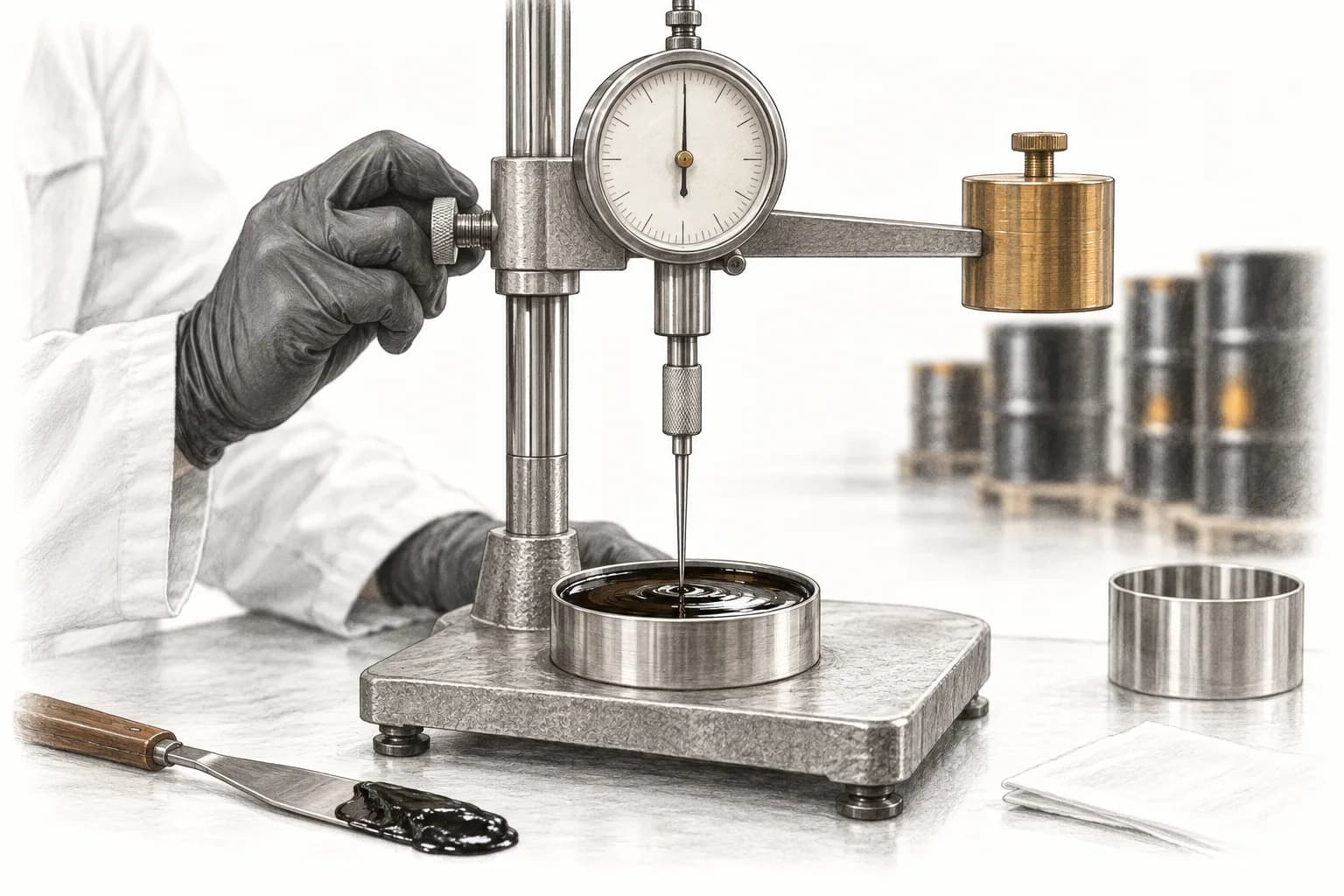
Penetration at 25 °C (0.1 mm)
30–50
Softening point
60 °C min
Elastic recovery at 15 °C
30% min
Fraass breaking point
−16 °C max
Flash point
220 °C min
Typical use
Highways, urban roads, bridges and runways
Typical values from each grade's published specification. The test certificate for the offered batch decides.
Match the product to the crop, equipment or process and confirm the specification before you order.
01
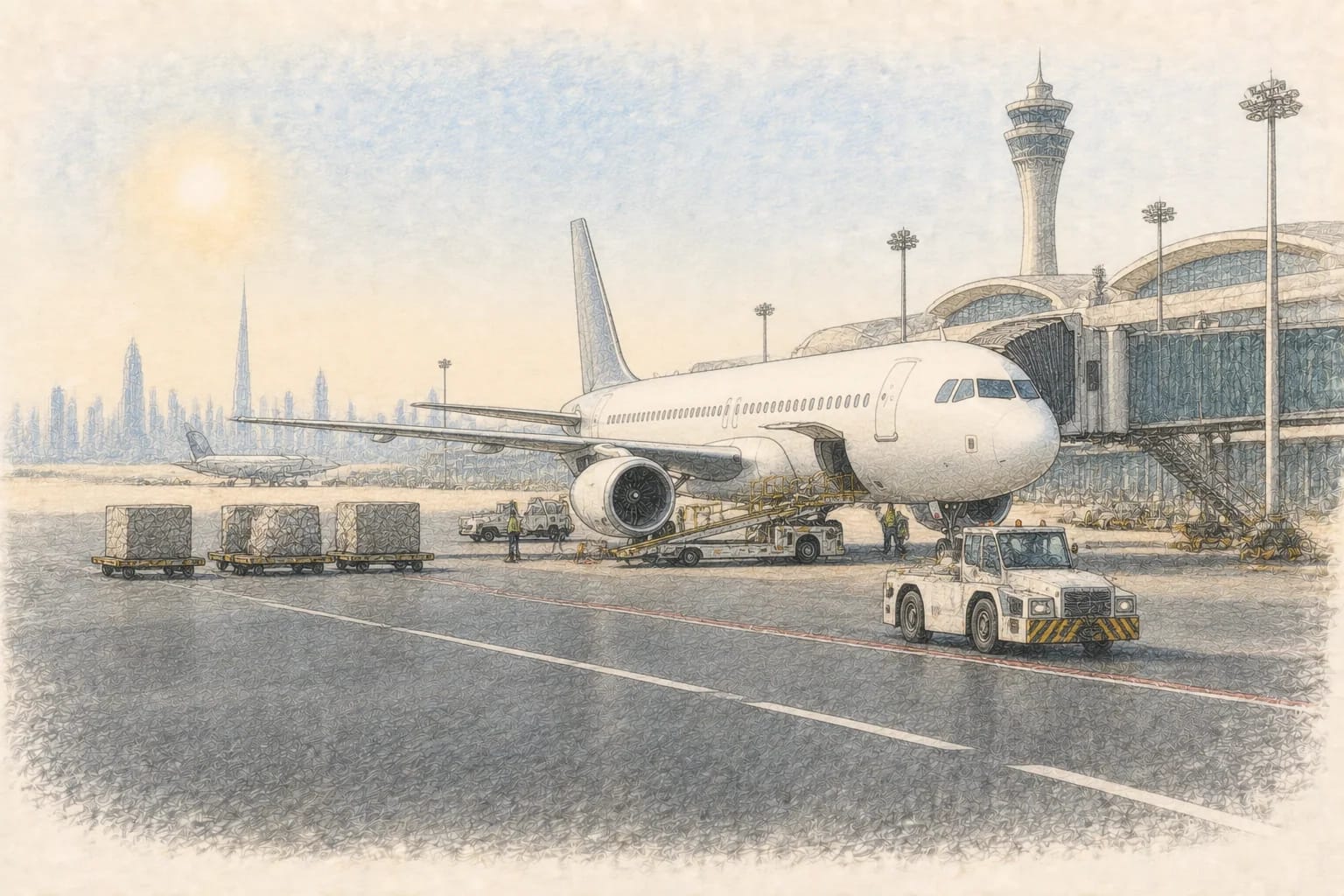
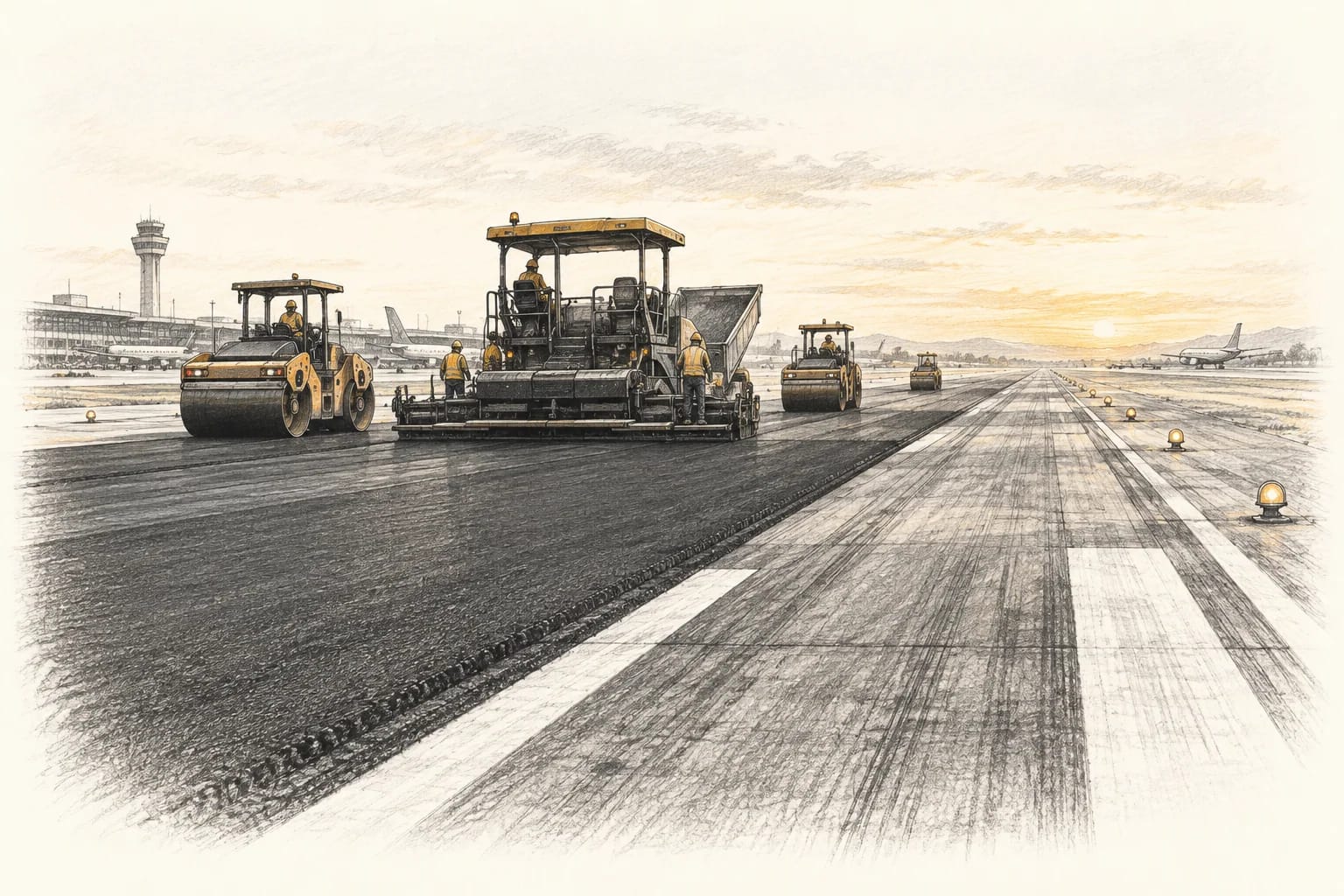
Airport and heavy-duty pavement
Runways and taxiways exposed to point loading and severe temperature stress.
02
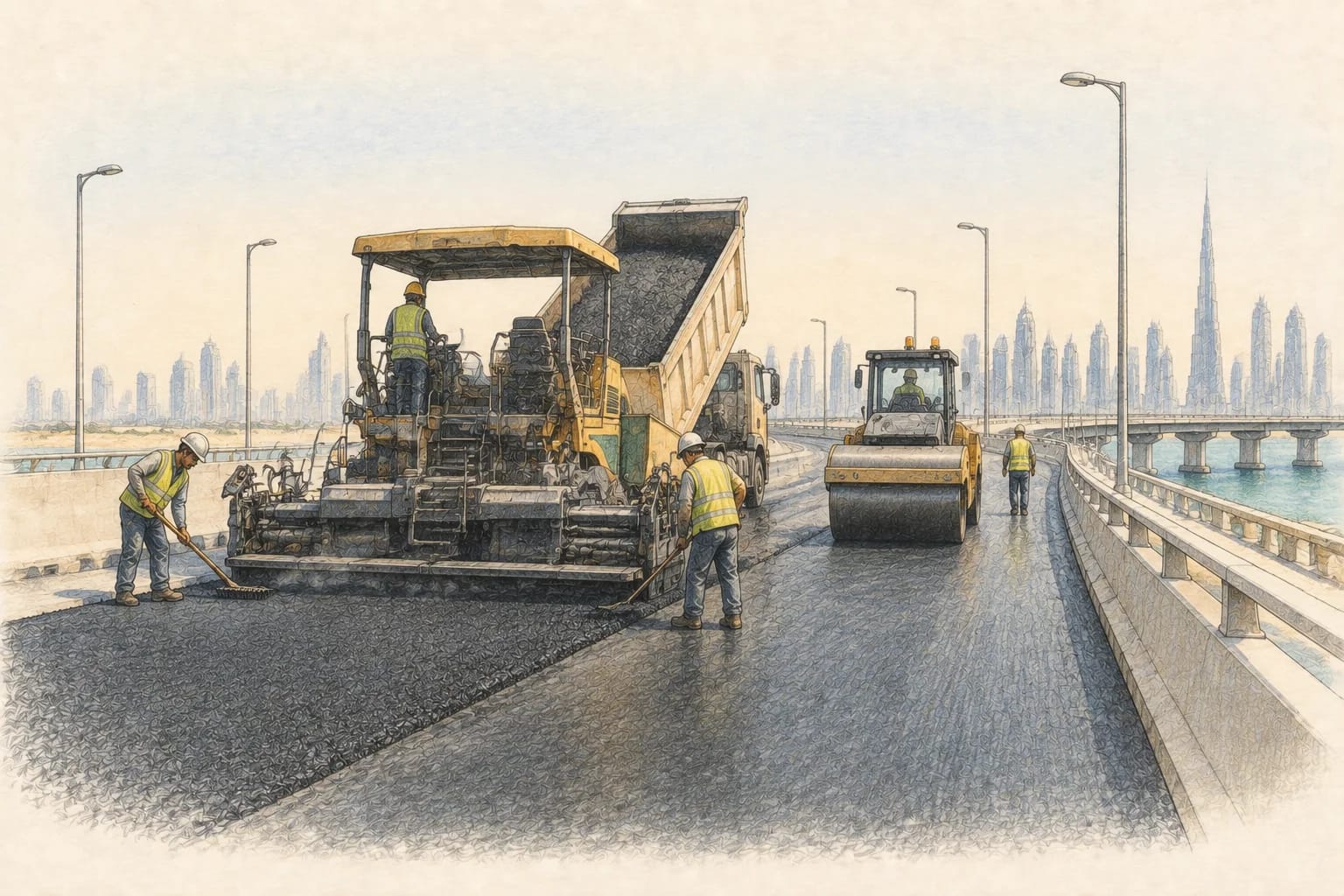
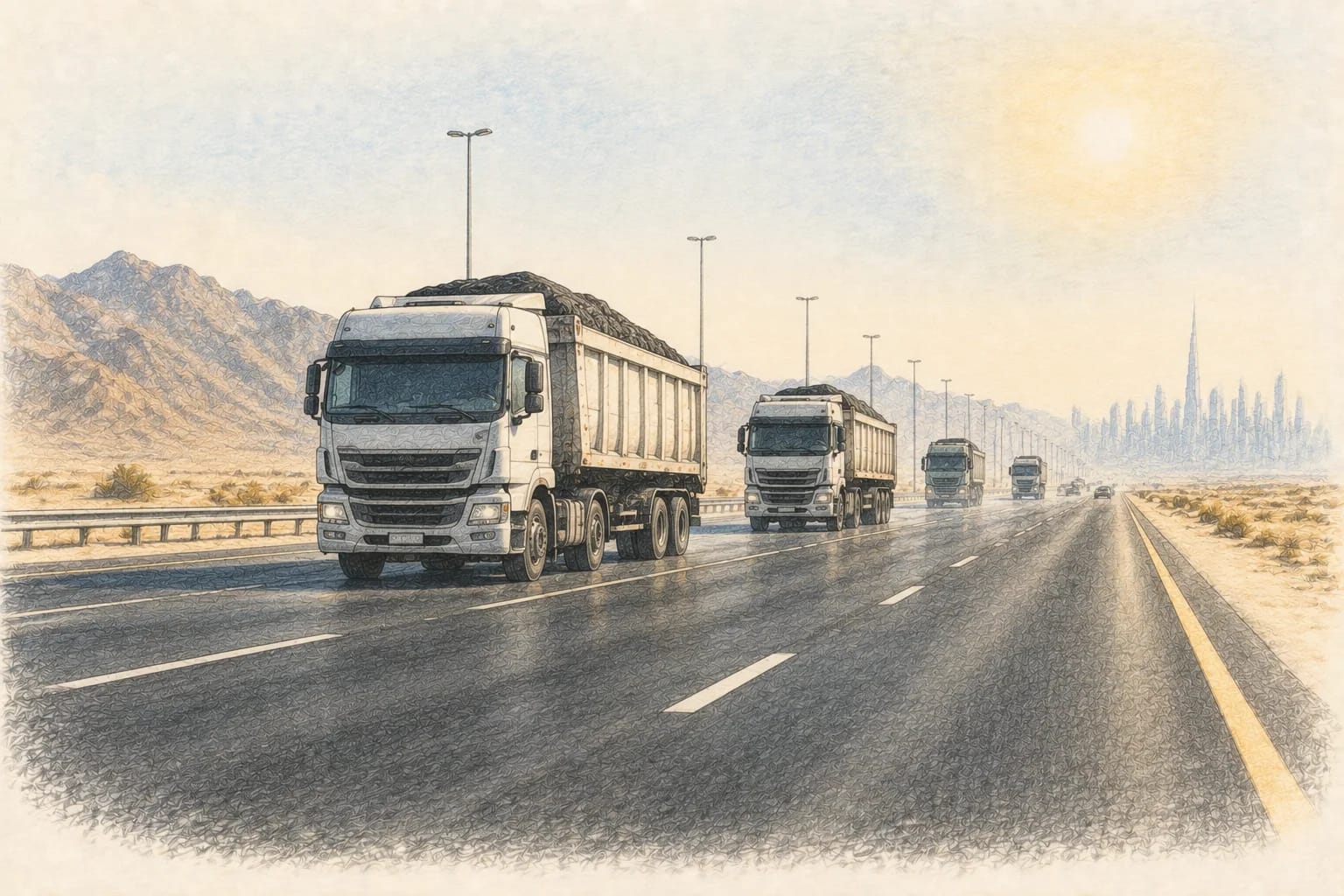
Highways and expressways
High-volume corridors where rutting and fatigue shorten conventional pavement life.
03
Bridge decks
Surfacing exposed to movement, vibration and temperature cycling.
04
Intersections and bus stops
Concentrated braking, acceleration and standing-load zones.
05
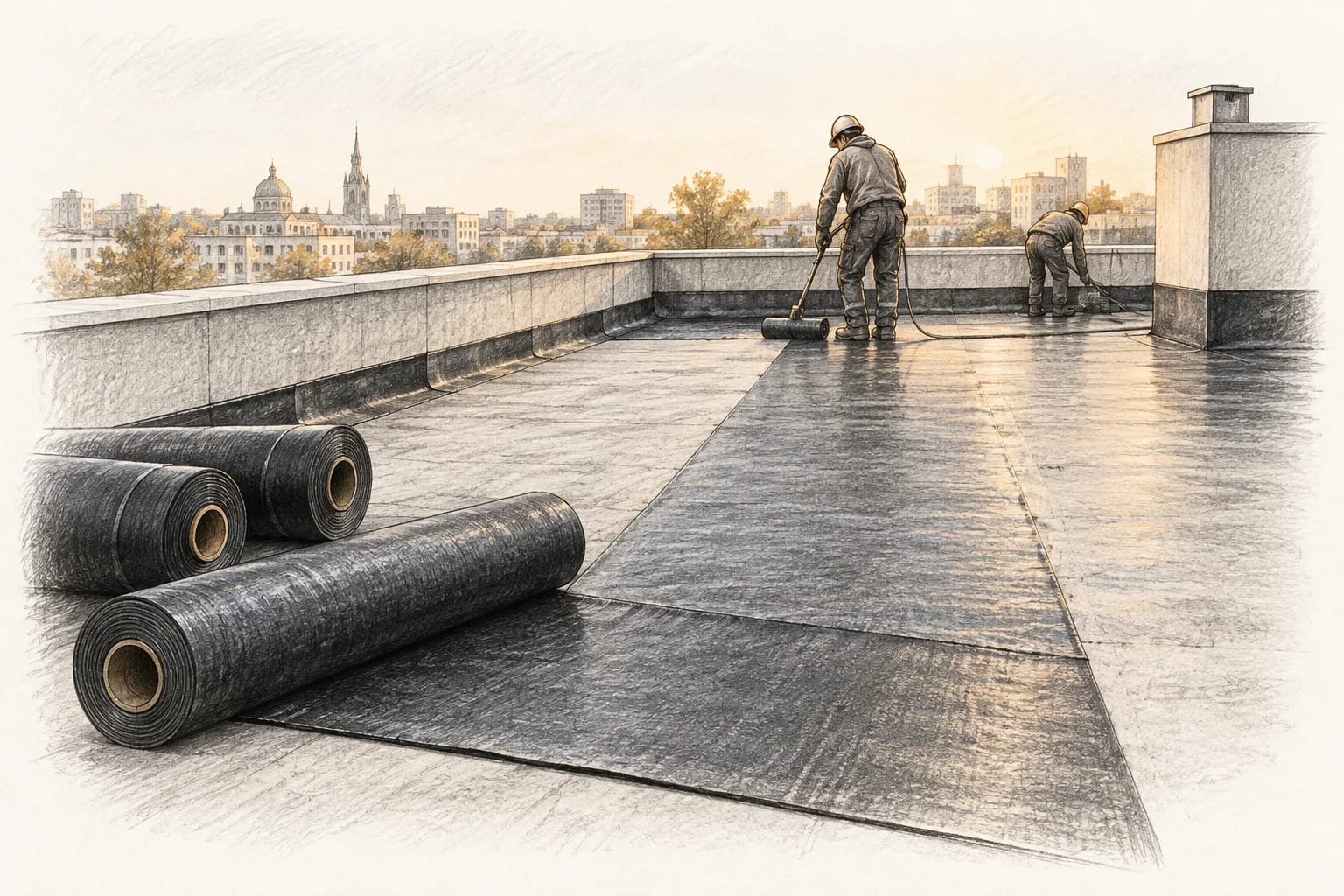
Waterproofing membranes
SBS-modified binder for compatible high-performance membrane systems.
08 / HOW IT IS MADE
How polymer modified bitumen is made.
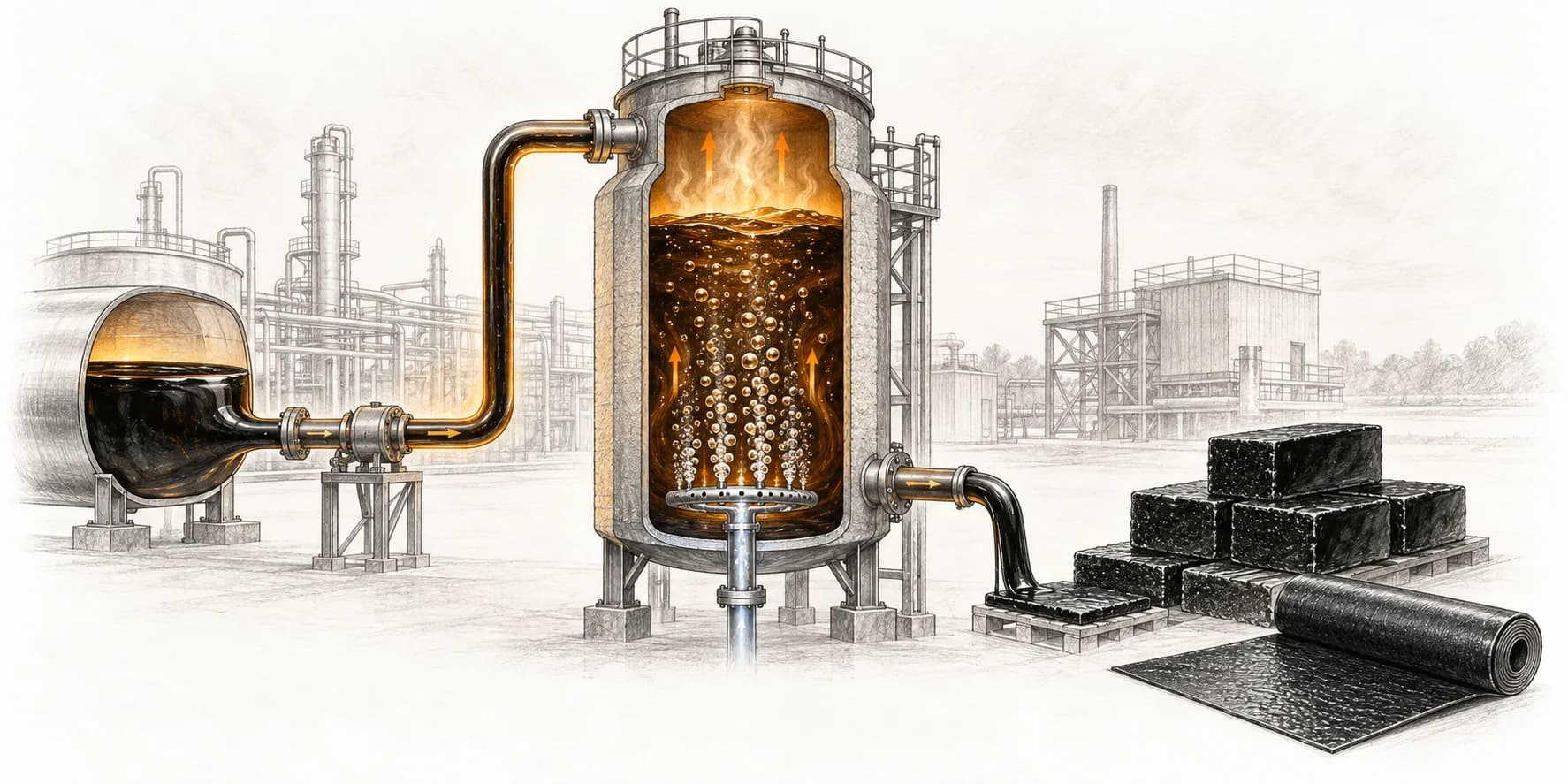
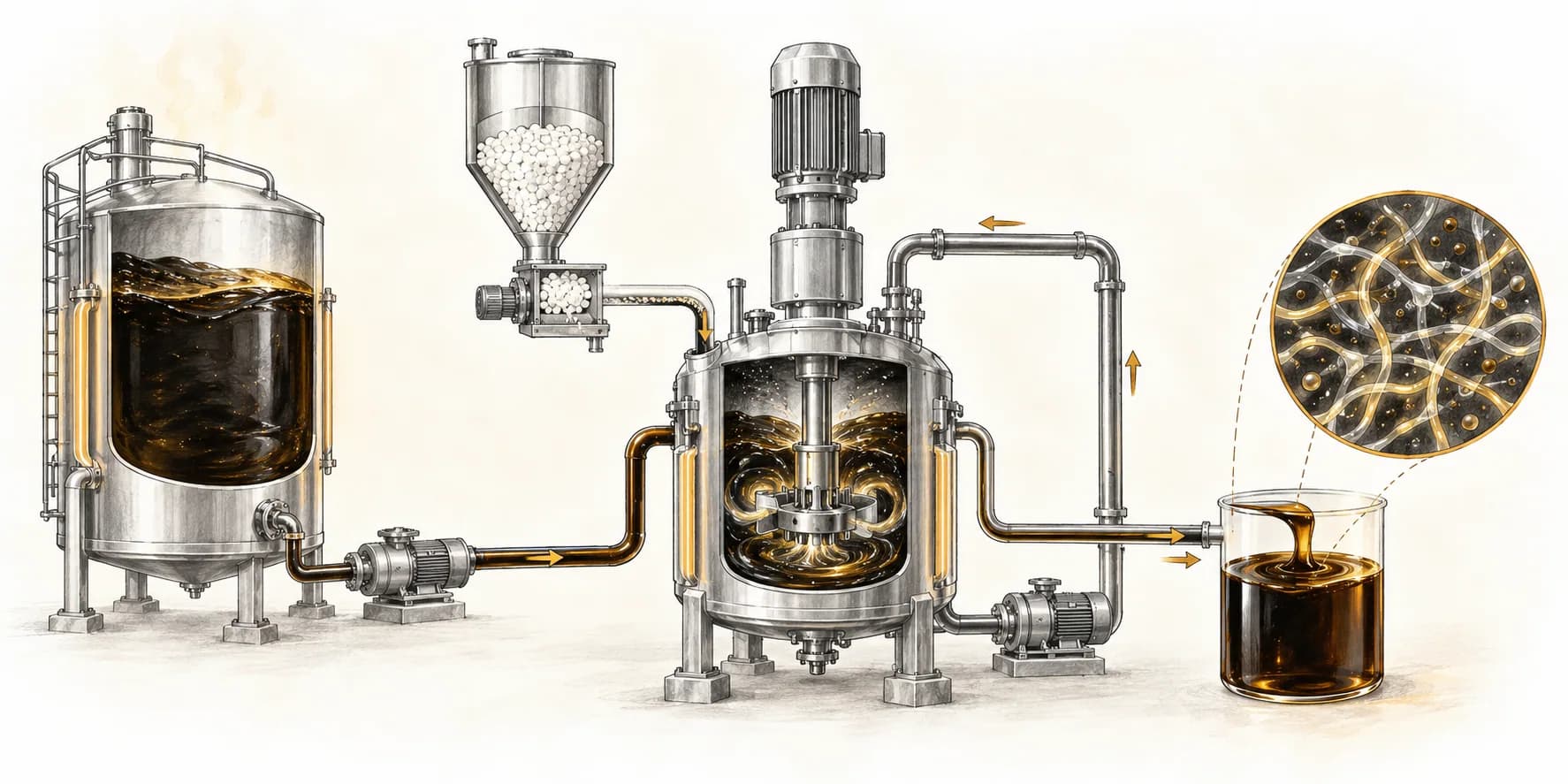
Heated straight-run bitumen and the selected polymer enter a high-shear mixer. Controlled dispersion builds a stable, interlocking polymer network; a cross-linking agent may be used where the target system requires it.
01
Heat the straight-run base
Straight-run bitumen, the same base supplied as penetration grade bitumen, is brought into the controlled blending range before any modifier is added.
02
Choose and dose the polymer
SBS gives strong elastic recovery, plastomers such as EVA or PP improve high-temperature stiffness, and crumb rubber from recycled tyres offers a cost-conscious modification.
03
Disperse under high shear
A high-shear mixer disperses the modifier evenly, so the polymer becomes part of the binder structure and lets it stretch and recover instead of permanently deforming.
04
Stabilise and test
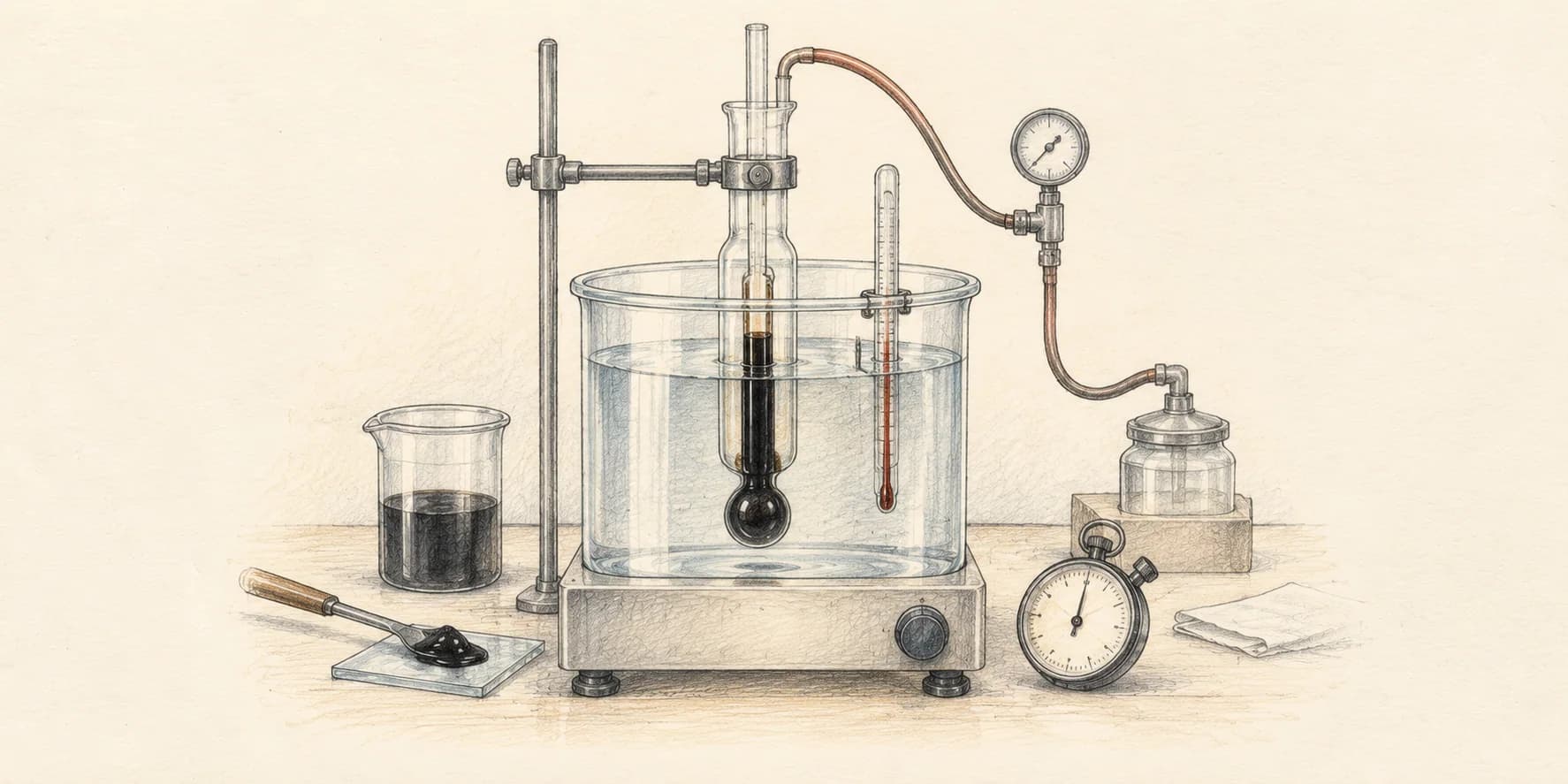
The blend is recirculated, then tested against the specified grade; the Certificate of Analysis reports elastic recovery and storage stability.
05
Store and deliver with agitation
Extended storage without agitation can allow polymer separation, so large-volume receivers need recirculation or stirring within the grade’s temperature range.
09 / COMPATIBILITY & HANDLING
Protect the polymer network.
Extended storage without agitation can allow polymer separation. Large-volume storage should have suitable recirculation or stirring and follow the grade-specific temperature range.
01
Maintain circulation
Periodic agitation or recirculation limits separation during storage.
02
Control temperature
Overheating can degrade the polymer and erase performance benefits.
03
Confirm compatibility
Validate aggregate and additive compatibility before full-scale use.
04
Follow the SDS
Use the specified PPE, ventilation and hot-binder precautions.
10 / REFERENCE METHODS
Standards and test methods.
Confirm the exact standard, grade and edition referenced in your project before ordering.
Trade and safety codes
For customs declarations, shipping documents and safety data sheets.
HS code2713.20As stated on the grade pages
Transport, coldNot regulatedSolid or cold product in drums or bags, per SDS
Transport, hotUN 3257Elevated temperature liquid, n.o.s., Class 9, when shipped hot in bulk, per SDS
01
IS 15462:2019
Indian standard for PMB 40, 70 and 120
02
EN 14023
European classification for polymer modified bitumen
03
Elastic recovery / Fraass breaking point
Performance methods referenced within EN 14023; ASTM D6084 and EN 12593 on the grade specifications
04
Storage stability
Softening-point difference used to check separation
05
ASTM D7175 / ASTM D7405
Dynamic shear and MSCR, on the performance-classified grades
06
Road-authority specification
May add national or project-specific limits
11 / PACKING & DELIVERY
Packing formats.
Availability depends on the product, quantity and receiving facilities. Confirm the arrangement for your order.
01 / CONTAINERISED · 200 / 180 / 156 KG
Drums
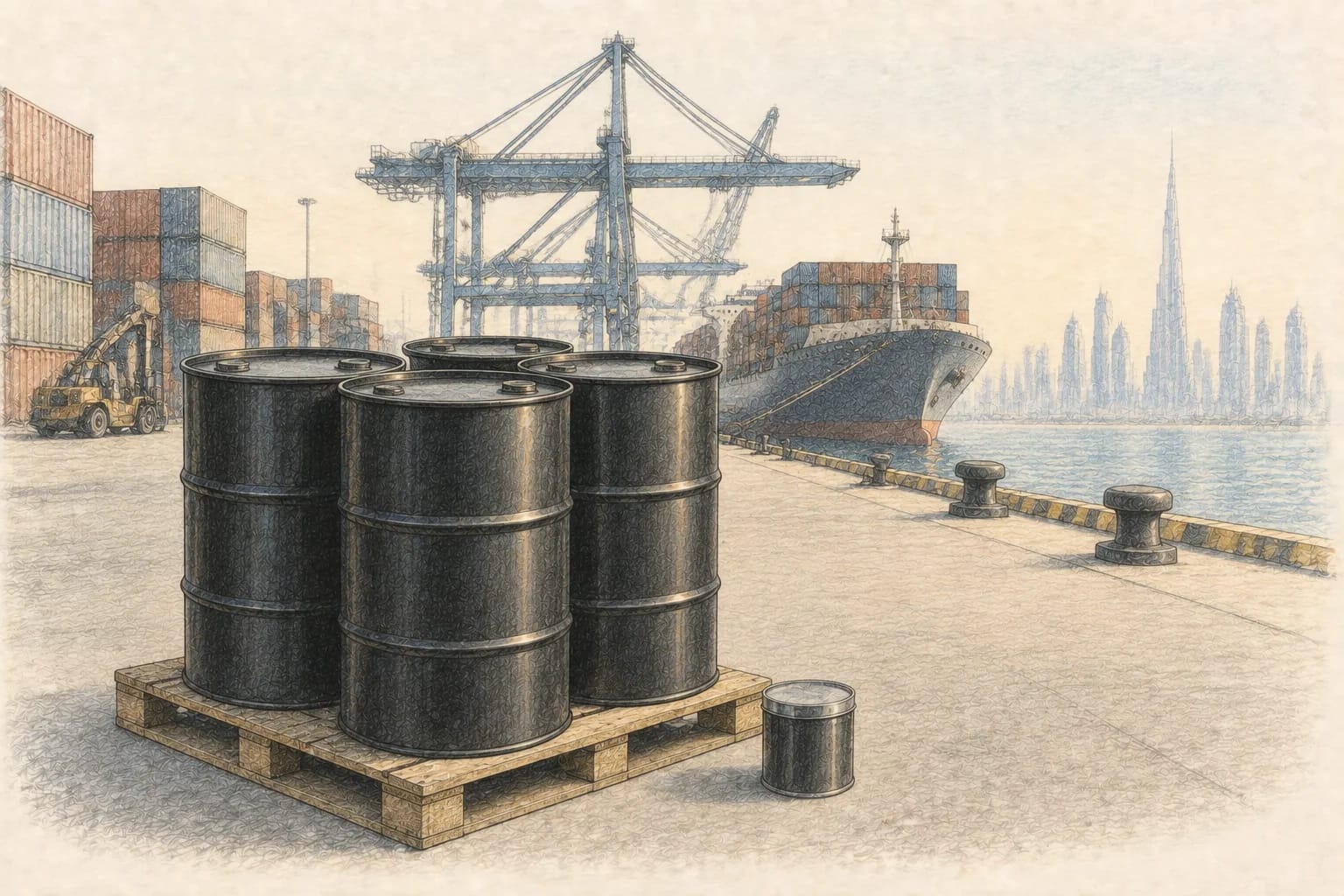
New steel drums for containerised supply with controlled heating at destination; approximately 80 drums per 20 ft container.
Under IS 15462:2019, PMB 40 has a penetration range of 30–50 (0.1 mm at 25 °C). It suits hot climates, heavy traffic and high-stress pavement.
02What is the difference between SBS, plastomer and crumb-rubber modification?
SBS provides strong elastic recovery; plastomers such as EVA or PP improve high-temperature stiffness; crumb rubber uses recycled tyre rubber for a cost-conscious modification. They are not interchangeable without checking the project specification.
03Why does PMB cost more than regular bitumen?
Both the polymer ingredient and the energy- and equipment-intensive high-shear blending process add cost. PMB is selected where its performance and service-life benefits justify that premium.
04Does PMB need special storage?
Yes. Extended storage without agitation can allow polymer separation. Large-volume storage should have suitable recirculation or stirring and follow the grade-specific temperature range.
05What is the difference between PMB and oxidised bitumen?
PMB introduces a separate polymer into straight-run bitumen. Oxidised bitumen changes the binder through air blowing. Their modification mechanisms and intended applications are different.
06What documents come with each shipment?
Every shipment includes a Certificate of Analysis with elastic-recovery and storage-stability results. Certificate of Origin and MSDS are available on request.
07What Incoterms do you offer?
FOB is commonly quoted from Jebel Ali, Port Khalid or Sharjah Hamriyah. CFR and CIF destination-port offers are available on request.
08Is PMB necessary for every paving project?
No. It is appropriate where traffic stress, climate extremes or service-life requirements justify the premium. Standard penetration or viscosity grade bitumen remains more economical for general paving.