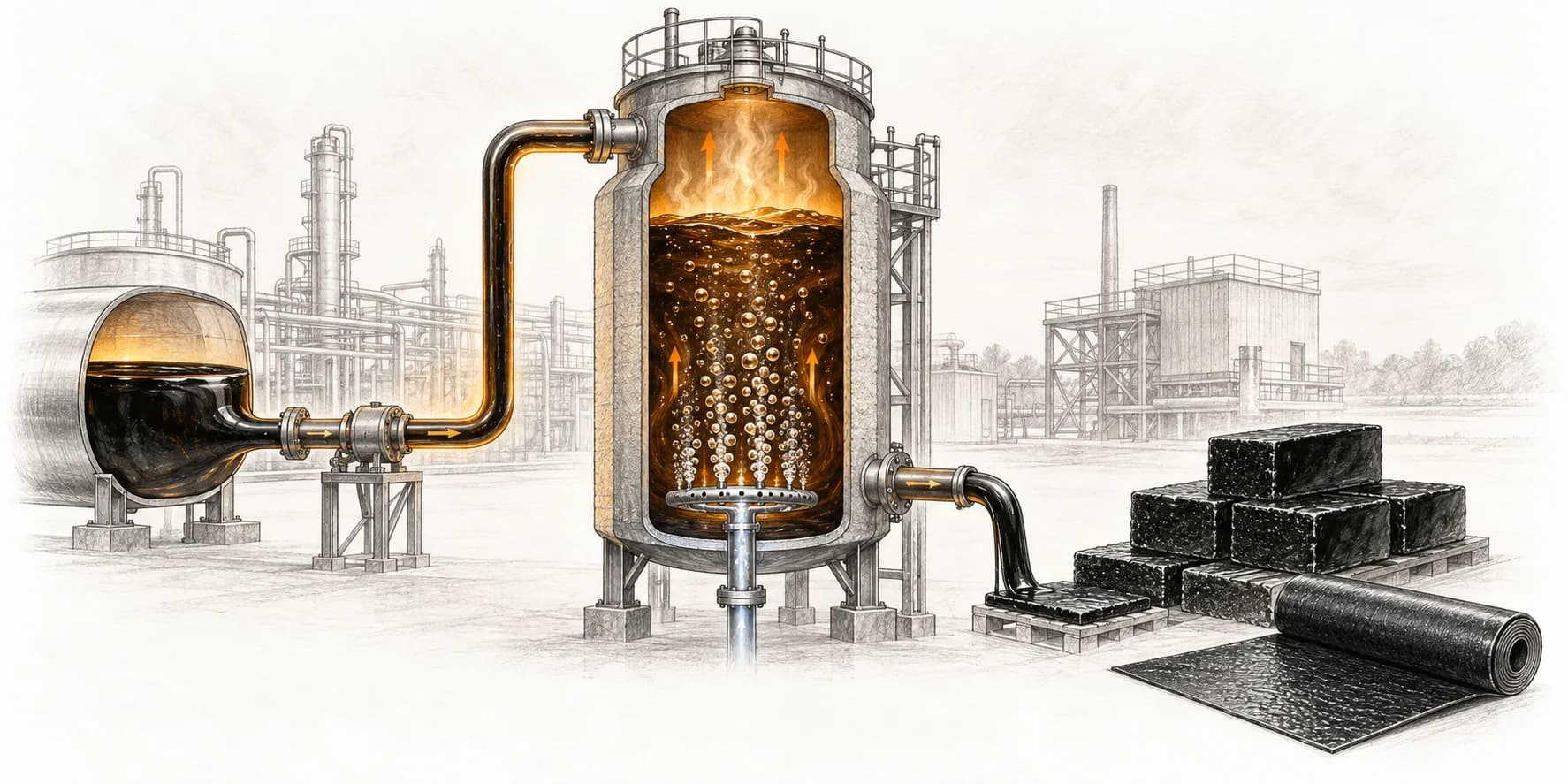
Polymer Modified Bitumen (PMB) 82-10 is a specialised type of asphalt binder that is enhanced with polymers to improve its performance properties, especially in regions with high temperatures and heavy traffic.
Polymer Modified Bitumen (PMB) 82-10 is a specialised type of asphalt binder that is enhanced with polymers to improve its performance properties, especially in regions with high temperatures and heavy traffic. The designation “82-10” indicates the temperature range within which this bitumen can effectively perform.
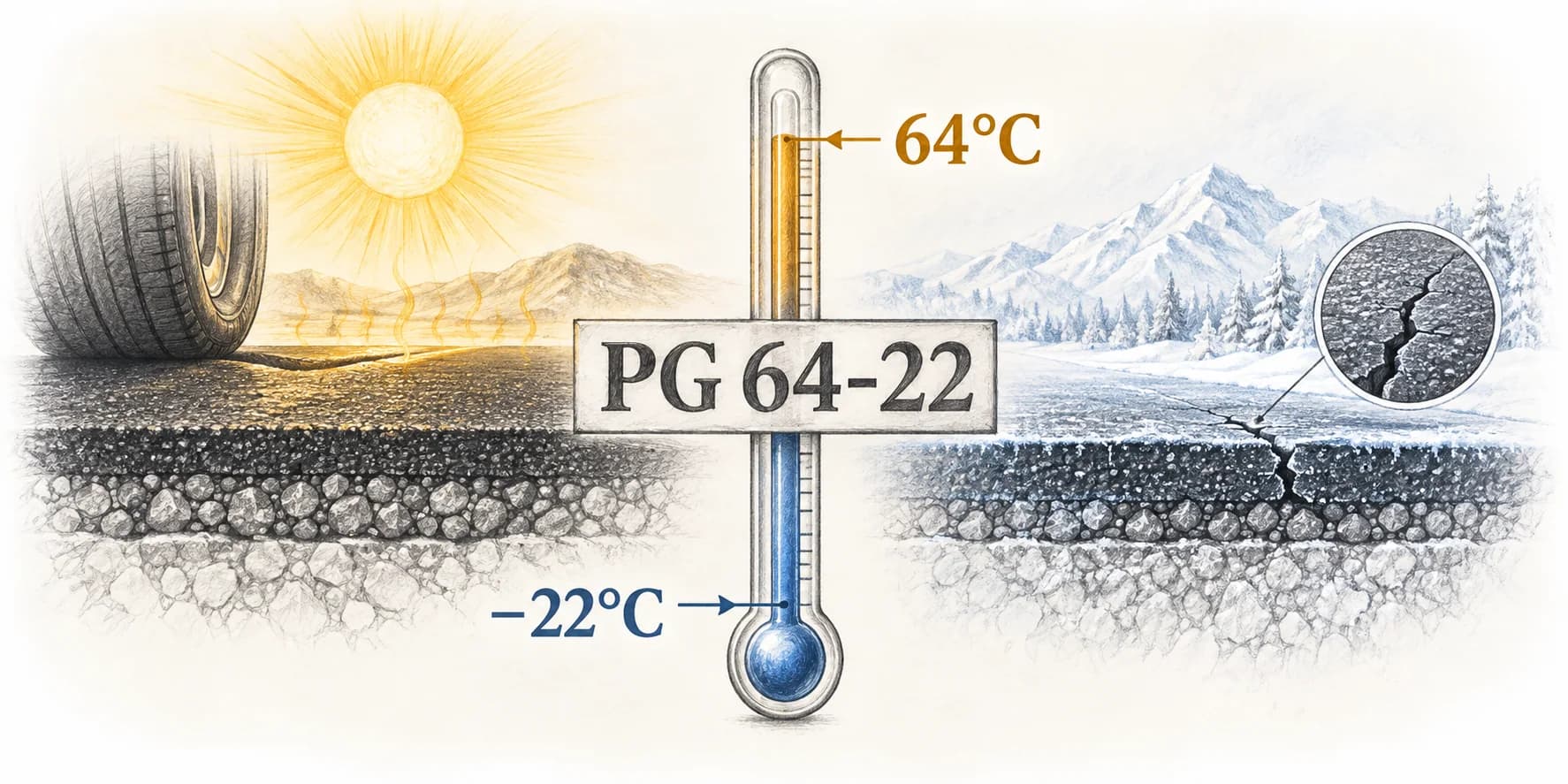
High temperature performance: Can withstand pavement temperatures up to 82 °C without softening or deforming, making it suitable for regions with intense heat or heavy, slow-moving traffic.
Low temperature performance: Maintains flexibility and prevents cracking at temperatures down to −10 °C, making it effective in moderately cold climates.
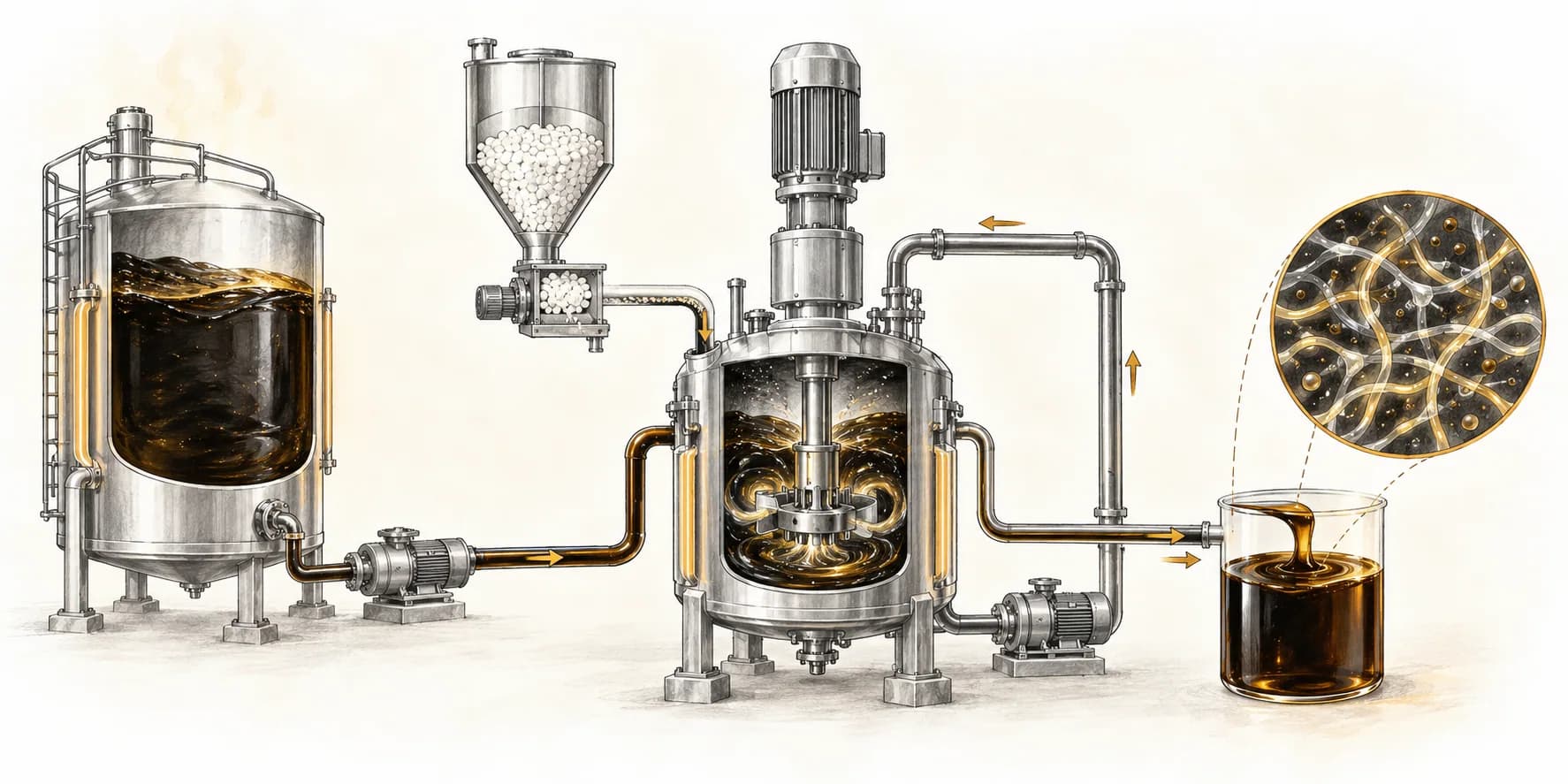
Polymer modification: Typically modified with elastomers like styrene-butadiene-styrene (SBS) or other similar polymers. The modification increases elasticity, strength, and durability, making the binder resistant to both high-temperature rutting and low-temperature cracking.
PMB 82-10 is a performance-classified PMB under IS 15462:2019, named by the PG temperatures it is designed for: up to 82 °C and down to −10 °C, with dynamic shear to ASTM D7175 and MSCR to ASTM D7405.
Share the grade, modification type and standard your project names and our team will confirm the fit and the supply arrangement.
Identity
Standard
IS 15462:2019
Softening point
80 °C min
Elastic recovery at 15 °C
85% min
Polymer modified bitumen · IS 15462:2019Why PMB 82-10
SBS, plastomer and CRMBPolymer modified grades for high-stress pavements, selected by the modification and performance the project specifies.
Elastic recovery on the CoAThe Certificate of Analysis reports elastic-recovery and storage-stability results for the released batch.
Full shipping documentationA Certificate of Analysis travels with every shipment, with elastic-recovery and storage-stability results. Certificate of Origin and MSDS are arranged on request.
Three UAE load portsFOB is quoted from Jebel Ali, Port Khalid or Sharjah Hamriyah; CFR and CIF destination-port offers are available on request.
Packed for your siteNew steel drums, jumbo bags where compatible, or bulk for buyers with heated tanks and recirculation.
Trade risk handledThe Nuroil team manages transport, insurance, logistics and foreign-currency payments, and can discuss financing options with overseas buyers.
What Nuroil does on every order
Why source PMB 82-10 from Nuroil?
Tested for elastic recovery
Elastic recovery and storage stability on every batch, reported on the Certificate of Analysis.
Grade plus modifier
Share the grade or EN 14023 class and the modification type; SBS, plastomer and crumb rubber are not interchangeable.
Drum to bulk
New steel drums, jumbo bags where compatible, or bulk for receivers with heated tanks and recirculation.
FOB, CFR or CIF
FOB Jebel Ali, Port Khalid or Hamriyah; CFR and CIF on request.
02 TECHNICAL DATA
Catalogue specification.
Softening point (ring and ball)
80 °C minASTM D36
Elastic recovery at 15 °C
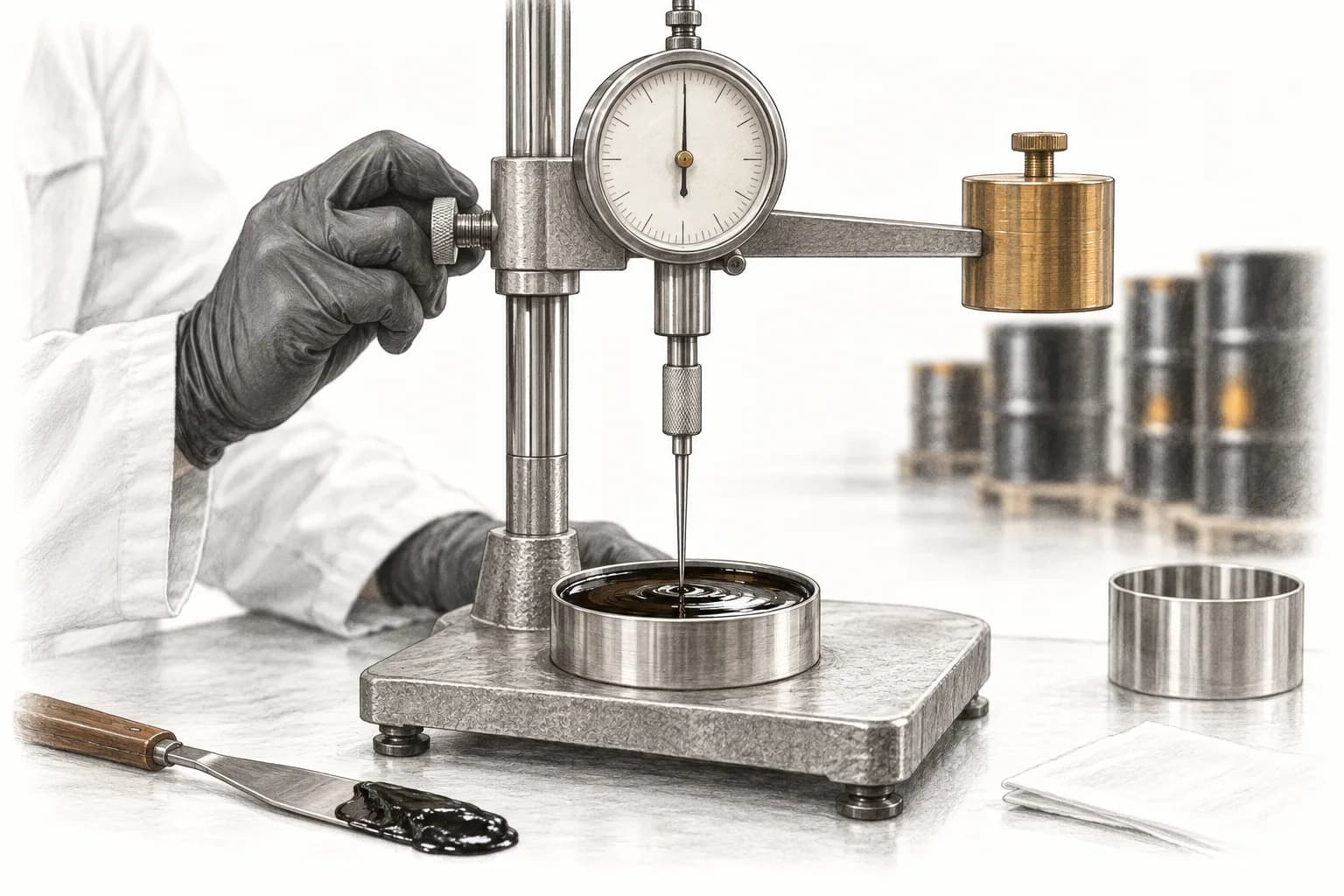
85% minASTM D6084
Flash point, Cleveland open cup
230 °C minASTM D92
Viscosity at 150 °C
1.6 Pa.s maxASTM D2171
Dynamic shear G*/sin δ at 82 °C (25 mm plate, 1 mm gap, 10 rad/s)
1.0 kPa minASTM D7175
Phase angle (δ)
75° maxASTM D7175
Separation, difference in softening point
3 °C max
Fraass breaking point
−10 °C maxEN 12593
Rolling thin-film oven test (RTFOT)
Residue conditioningASTM D1754
Show all 17 propertiesShow fewer
Loss on heating, after RTFOT
1.0% wt maxASTM D6
Dynamic shear G*/sin δ at 82 °C (25 mm plate, 1 mm gap, 10 rad/s), after RTFOT
2.2 kPa minASTM D7175
MSCR Jnr difference at 82 °C
75% maxASTM D7405
MSCR Jnr 3.2 at 82 °C, standard traffic (S)
4.5 kPa⁻¹ maxASTM D7405
MSCR Jnr 3.2 at 82 °C, heavy traffic (H)
2.0 kPa⁻¹ maxASTM D7405
MSCR Jnr 3.2 at 82 °C, very heavy traffic
1.0 kPa⁻¹ maxASTM D7405
MSCR Jnr 3.2 at 82 °C, extremely heavy traffic
0.5 kPa⁻¹ maxASTM D7405
Dynamic shear G*·sin δ at 40 °C (8 mm plate, 2 mm gap, 10 rad/s), after PAV
6000 kPa maxASTM D7175
PMB 82-10 beside the grades nearest to it. Higher softening points and elastic recovery suit hotter, heavier-duty pavements; choose by the standard, climate and traffic your project names.
Property
PMB 70-10
PMB 76-10
PMB 76-22
PMB 82-10This page
Classification
Performance-classified PMB
Performance-classified PMB
Performance-classified PMB
Performance-classified PMB
Penetration at 25 °C (0.1 mm)
Not in the table
Not in the table
Not in the table
Not in the table
Softening point
65 °C min
70 °C min
75 °C min
80 °C min
Elastic recovery at 15 °C
70% min
70% min
80% min
85% min
Fraass breaking point
−10 °C max
−10 °C max
−22 °C max
−10 °C max
Flash point
230 °C min
230 °C min
230 °C min
230 °C min
Typical use
High-traffic roads, bridges and runways
Expressways, bridges and runways
Expressways, bridges and runways
Expressways, heavy-duty roads and runways
03 APPLICATIONS
Where it is used.
01
Highways and expressways
Widely used for high-traffic highways and expressways that face heavy and continuous traffic loads. The high-temperature performance helps resist rutting and deformation in such conditions.
02
Industrial zones and heavy-duty roads
Suitable for industrial areas and roads where heavy-duty vehicles frequently operate, as PMB 82-10 can handle the stress from heavy, slow-moving vehicles.
03
Airport runways and taxiways
Ideal for airport pavements where exposure to high temperatures and heavy aircraft loads require resistance to deformation and cracking.
04
Bridges and elevated structures
Used on bridges and overpasses to handle thermal stresses and prevent cracking, which are common due to temperature fluctuations and high traffic loads.
05
Urban roads and high-temperature regions
Effective in urban environments and regions with extremely hot summers, where roads face both heavy traffic and prolonged high temperatures.
04 SAFETY & HANDLING
Not classified cold. Handled hot, with care.
Polymer modified bitumen is stored, pumped and loaded hot. The Safety Data Sheet for the offered grade decides its classification; review it before first handling.
Not classified
GHS Generally not classified as hazardous when cold. Check the SDS for the offered grade.
Hot product Handled hot: contact causes severe burns, and hydrogen sulphide can collect in tank headspace. Per SDS.
UN
Not regulated cold · UN 3257 when shipped hot, per SDS
Transport
Elevated temperature liquid, Class 9, when hot · per SDS
01
Hot product burns
Contact with hot bitumen causes severe burns. Wear heat-resistant gloves, face protection and covering clothing when handling it hot.
02
Hydrogen sulphide in the headspace
H₂S can collect in the headspace of heated tanks and tankers. Ventilate and test the atmosphere before opening or entry, per SDS.
03
Avoid overheating
Overheating can degrade the polymer and erase performance benefits. Keep to the grade-specific temperature range.
04
Follow the SDS
Use the specified PPE, ventilation and hot-binder precautions. Classification, first aid and fire-fighting measures are on the Safety Data Sheet for the offered grade.
Protect the polymer network.
In storageAgitated or recirculated
Extended storage without agitation can allow polymer separation. Large-volume storage should have suitable recirculation or stirring and follow the grade-specific temperature range.
Maintain circulationPeriodic agitation or recirculation limits separation during storage.
Control temperatureOverheating can degrade the polymer and erase performance benefits.
Confirm compatibilityValidate aggregate and additive compatibility before full-scale use.
Follow the SDSUse the specified PPE, ventilation and hot-binder precautions.
Standards and test methods.
HS code2713.20
Transport, coldNot regulated
Transport, hotUN 3257
IS 15462:2019
Indian standard for polymer modified bitumen, as stated on the grade’s specification
ASTM D36 / ASTM D2171
Ring-and-ball softening point and viscosity at 150 °C
ASTM D6084
Elastic recovery
EN 12593
Fraass breaking point
ASTM D92
Flash point, Cleveland open cup
ASTM D1754 / ASTM D6
Rolling thin-film oven residue and loss on heating
ASTM D7175 / ASTM D7405
Dynamic shear and multiple stress creep recovery (MSCR)
Road-authority specification
May add national or project-specific limits; confirm the exact standard, grade and edition before ordering
05 PACKING OPTIONS
Drums, jumbo bags or bulk.
Packing availability is confirmed for PMB 82-10 and the offered source. Container loads in the planner are typical planning figures; the offer confirms them.
Small quantities
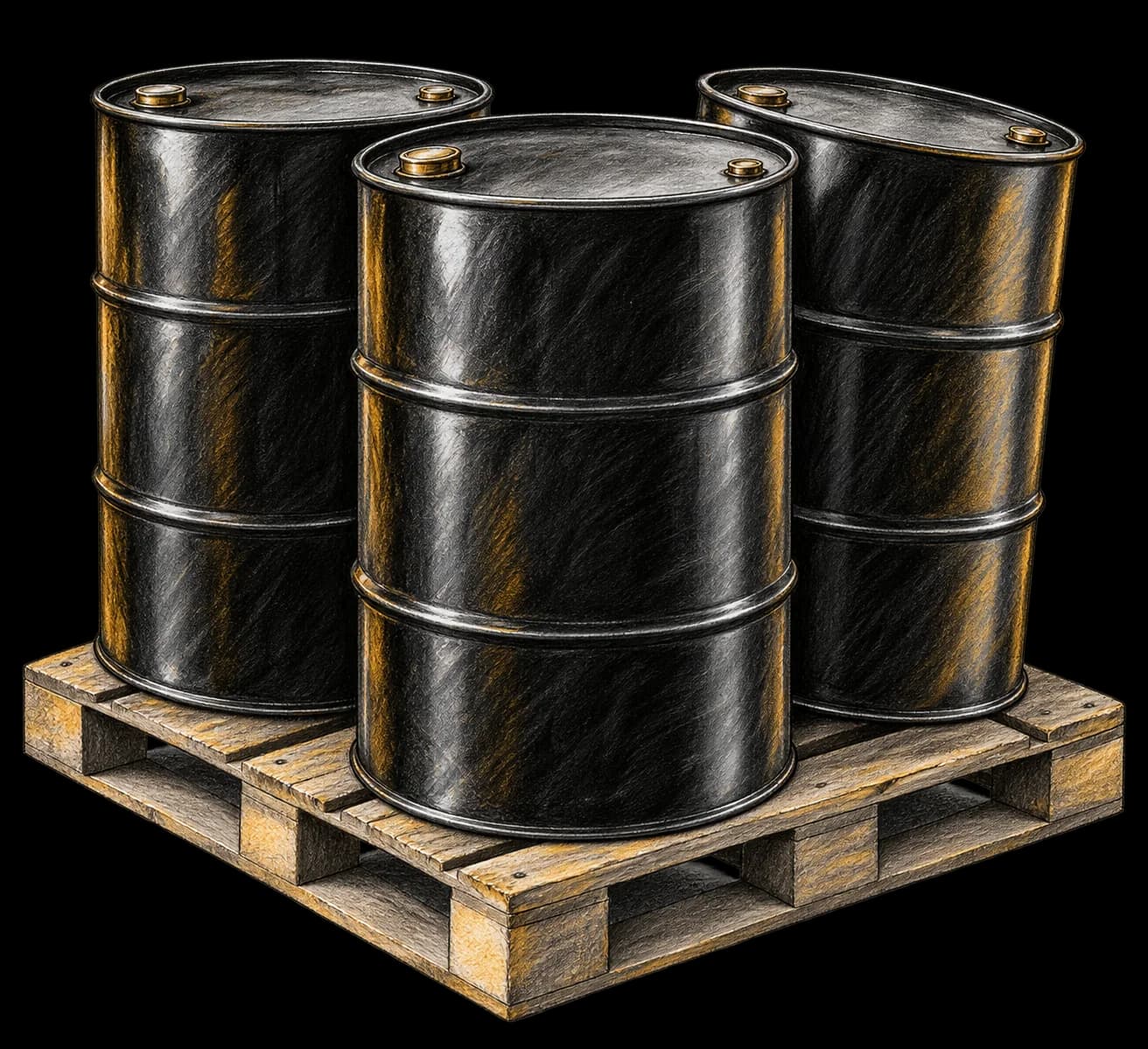
Drums
New steel drums of 200, 180 or 156 kg, or customised, for containerised supply with controlled heating at destination.
Typical loads used for planning. Your offer confirms the exact packing and load for the product and source.
720 ft containers
drums
556
Last 20 ft container
94% full
Minimum orderBy grade and packingShare your requirement; feasibility is confirmed with the quote
BulkTank containerFor receivers with heated tanks and recirculation
DocumentsCoA with every batchSDS and Certificate of Origin on request
06 BEFORE YOU ORDER
Frequently asked questions.
01What does “PMB 82-10” mean?
PMB 82-10 is named by the PG temperatures it is designed for: it resists rutting at pavement temperatures up to 82 °C and stays flexible down to −10 °C.
02What is the difference between SBS, plastomer and crumb-rubber modification?
SBS provides strong elastic recovery; plastomers such as EVA or PP improve high-temperature stiffness; crumb rubber uses recycled tyre rubber for a cost-conscious modification. They are not interchangeable without checking the project specification.
03Does PMB need special storage?
Yes. Extended storage without agitation can allow polymer separation. Large-volume storage should have suitable recirculation or stirring and follow the grade-specific temperature range.
04What documents come with each shipment?
Every shipment includes a Certificate of Analysis with elastic-recovery and storage-stability results. Certificate of Origin and MSDS are available on request.
05What Incoterms do you offer?
FOB is commonly quoted from Jebel Ali, Port Khalid or Sharjah Hamriyah. CFR and CIF destination-port offers are available on request.
06Is PMB necessary for every paving project?
No. It is appropriate where traffic stress, climate extremes or service-life requirements justify the premium. Standard penetration or viscosity grade bitumen remains more economical for general paving.
Include the grade or EN 14023 class, modification type, quantity, destination, specification and packing preference. Our team replies with a tailored offer. We reply with a firm FOB, CFR or CIF offer, usually within 24 hours.