Emulsion Bitumen SS-60 is a type of anionic bitumen emulsion characterised by its slow-setting properties. The designation "SS" indicates that it is a slow-setting emulsion, while "60" typically refers to its viscosity grade or specific formulation.
Emulsion Bitumen SS-60 is used in various applications within road construction and maintenance due to its slow-setting characteristics and strong adhesion properties.
Bitumen emulsion SS-60 is specified to the South African standard SANS 4001-BT3, with its limits tested by ASTM methods.
Share the grade, standard and application your project names and our team will confirm the fit and the supply arrangement.
Identity
Charge
Anionic
Setting
Slow setting
Standard
SANS 4001-BT3
Bitumen emulsion · anionic · SANS 4001-BT3Why Bitumen emulsion SS-60
Rapid, medium and slow settingRapid, medium and slow-setting grades so the breaking speed matches tack coats, surface dressing, cold mix or slurry work.
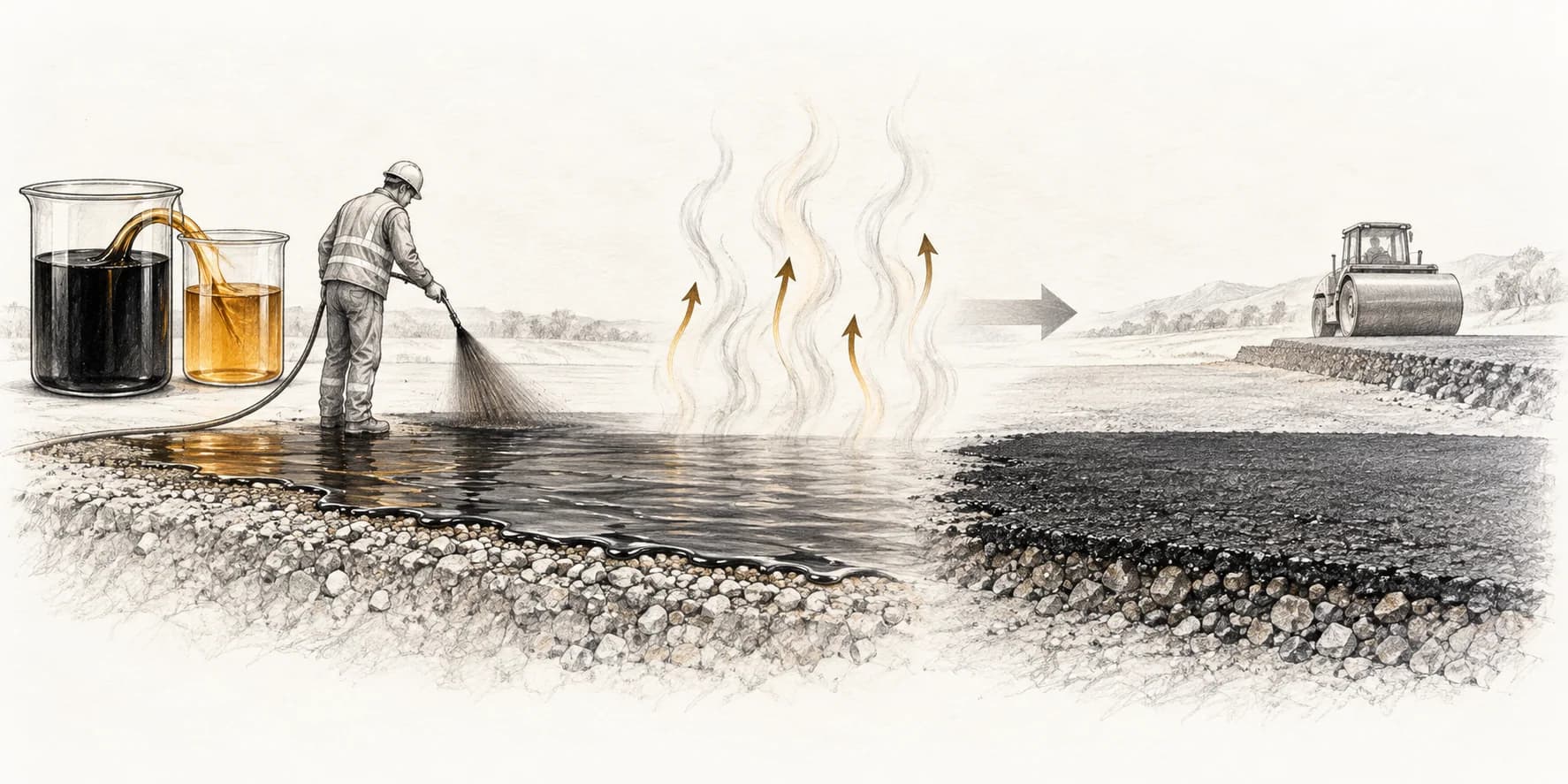
Water, not solventEmulsions carry the bitumen in water rather than petroleum solvent, for cold application without heating equipment.
Full shipping documentationA Certificate of Analysis travels with every shipment. Certificate of Origin and MSDS are arranged on request.
UAE load portsLoading from UAE ports with FOB as standard; CFR and CIF destination-port offers are quoted on request.
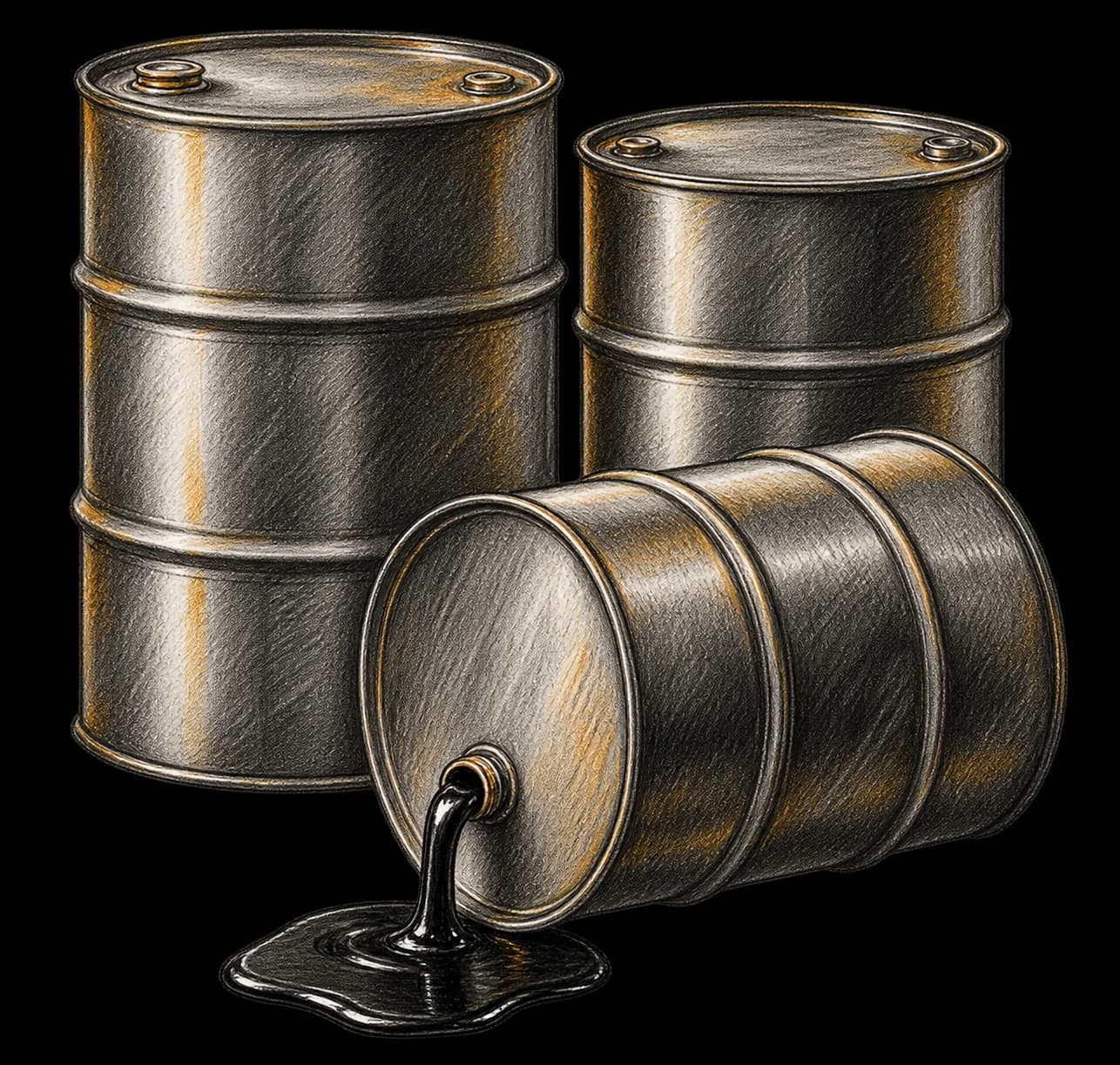
Packed for your siteNew steel drums for containerised supply, or bulk tanker for large-volume receivers with compatible tanks.
Trade risk handledThe Nuroil team manages transport, insurance, logistics and foreign-currency payments, and can discuss financing options with overseas buyers.
What Nuroil does on every order
Why source Bitumen emulsion SS-60 from Nuroil?
Tested against your grade
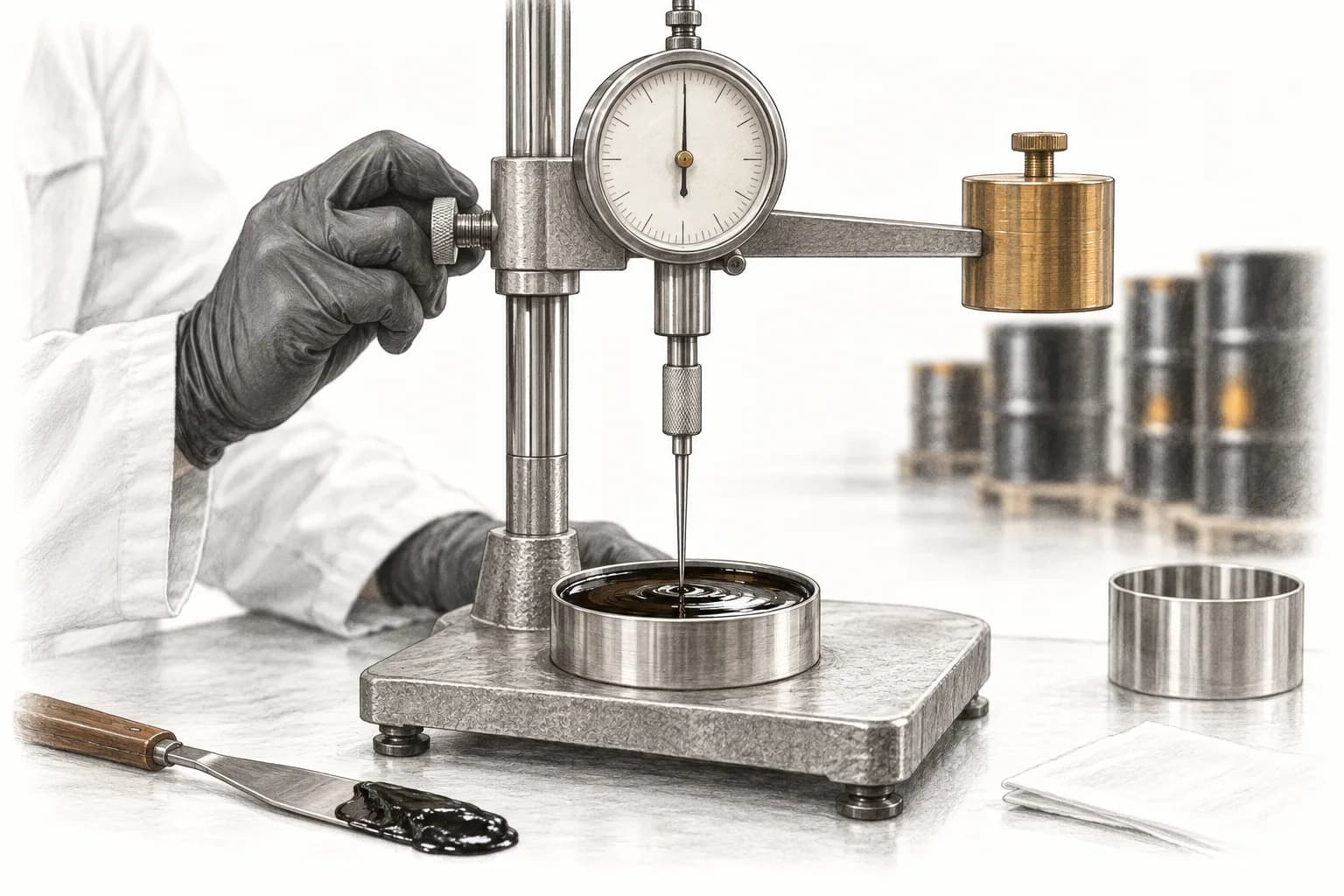
Each batch is reported against the specified grade limits on the Certificate of Analysis.
The standard you name
ASTM D2397, ASTM D977, SANS 4001 or BS 434-2 grades; share the designation your project names.
Drum to bulk
Steel drums, IBC tanks or bulk tanker, matched to your receiving facilities.
FOB, CFR or CIF
FOB from UAE ports; CFR and CIF destination-port offers on request.
02 TECHNICAL DATA
Catalogue specification.
Coagulation value, mixed with cement
2.0% of binder mass maxASTM D244
Viscosity, Saybolt Furol at 50 °C
Not specifiedASTM D88
Binder content
60–62%ASTM D6997
Residue on a 710 µm (No. 20) sieve
0.10% m/m maxASTM D244
Residue on a 150 µm (No. 100) sieve
0.25 g/100 ml maxASTM D244
Sedimentation after 60 complete rotations
NilASTM D6933
Bitumen emulsion SS-60 beside the grades nearest to it. Rapid-setting grades break quickest, slow-setting grades are the most stable in mixing; choose by the application and the standard your project names.
Property
SS-1h
SS-60This page
CSS-1
CSS-1H
Charge
Anionic
Anionic
Cationic
Cationic
Setting
Slow setting
Slow setting
Slow setting
Slow setting
Standard
ASTM D977
SANS 4001-BT3
ASTM D2397 · AASHTO M 208
ASTM D2397 · AASHTO M 208
Residue or binder content
57% min
60–62%
57% min
57% min
Viscosity
20–100 SFS at 25 °C
Not specified
20–100 SFS at 25 °C
20–100 SFS at 25 °C
Typical use
Crack sealing, slurry seals and micro-surfacing
Tack coats, prime coats and cold mix
Tack coats, fog seals and slurry seals
Slurry seals and micro-surfacing
03 APPLICATIONS
Where it is used.
01
Tack coats
Serves as an adhesive layer between existing and new asphalt surfaces, ensuring strong bonding and preventing slippage during the paving process.
02
Prime coats
Applied to granular bases to prepare them for asphalt overlays, enhancing adhesion and providing a moisture-resistant layer.
03
Surface dressing
Used in surface dressing operations to provide a protective layer over existing roads, improving skid resistance and overall durability.
04
Cold mix asphalt
Utilised in the production of cold mix asphalt, allowing for repairs and construction at ambient temperatures.
05
Fog seals
Employed for fog sealing ageing asphalt surfaces to rejuvenate them, seal small cracks, and prevent oxidation.
06
Soil stabilisation
Can be applied in soil stabilisation projects to bind fine soil particles, improving strength and stability for road construction.
07
Maintenance of low-traffic roads
Suitable for maintaining rural or low-traffic roads, where the emulsion can be used for surface treatments and repairs.
08
Pothole repair
Effective for quick repairs of potholes in asphalt roads, providing a solution that minimises downtime.
04 SAFETY & HANDLING
Water-based. Handled with care.
Bitumen emulsion carries the bitumen in water, without petroleum solvent, which generally makes storage and application safer than cutback. The Safety Data Sheet for the offered grade decides; review it before first handling.
Not classified
GHS A water-based emulsion, generally not classified as hazardous. Check the SDS for the offered grade.
Handling Keep from freezing, which breaks the emulsion. Never mix with a cationic emulsion.
UN
Not regulated for transport, typically · per SDS
Carrier
Water · no petroleum solvent
01
Anionic grades are alkaline
An anionic emulsion has an alkaline pH above 7. Wear gloves and eye protection, per SDS.
02
Never mix the two
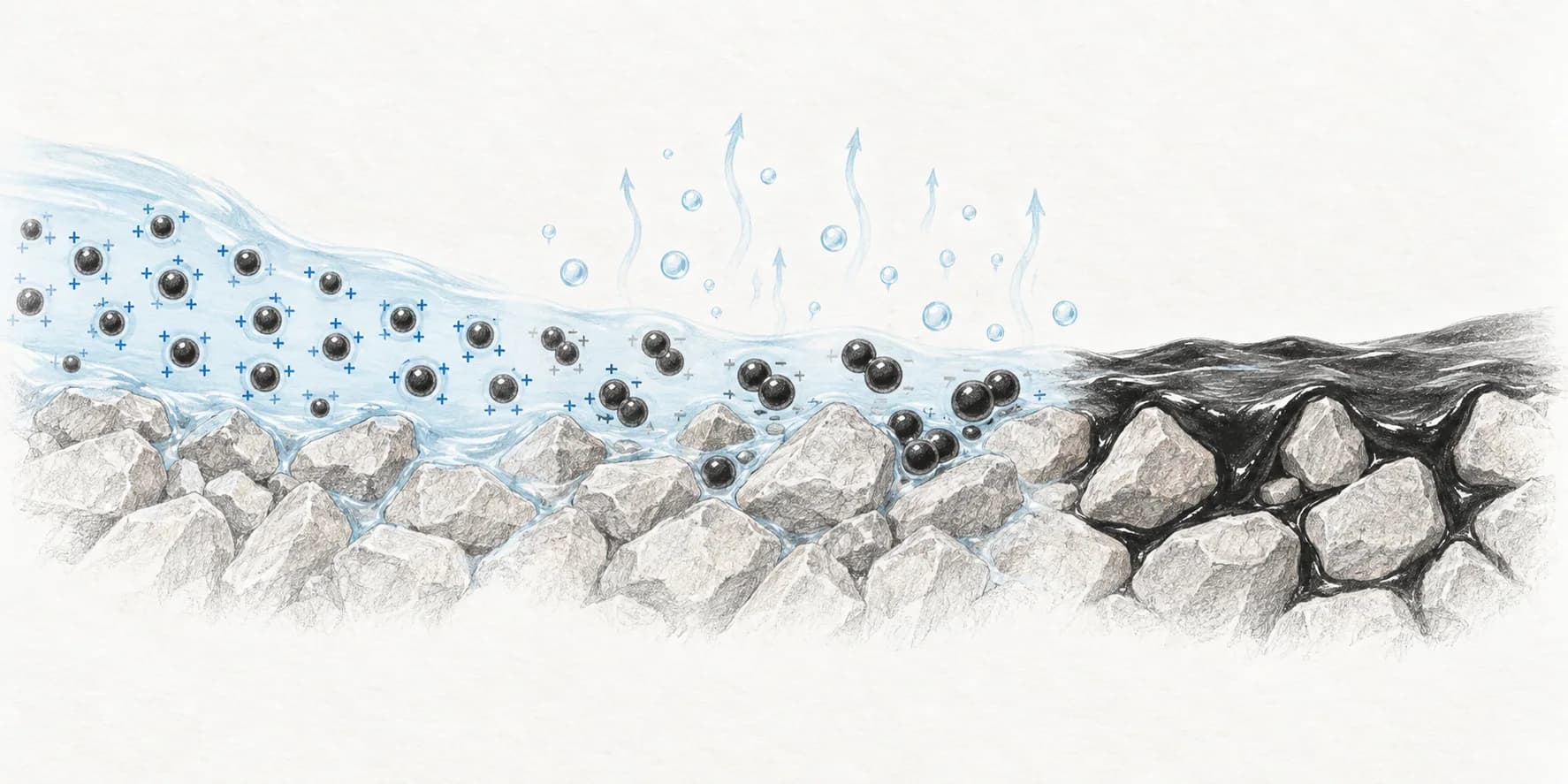
Mixing anionic and cationic emulsions lets the opposite charges attract: the bitumen separates out and both emulsions are destroyed.
03
Prevent freezing
Freezing can permanently break the emulsion and make it unusable.
04
Follow the SDS
Classification, first aid and grade-specific storage, transfer and application guidance are on the Safety Data Sheet.
Protect emulsion stability.
Shelf lifeAs the manufacturer recommends
Avoid storage beyond the manufacturer’s recommendation; separation can develop over time.
Prevent freezingFreezing can permanently break the emulsion and make it unusable.
Manage shelf lifeAvoid storage beyond the manufacturer’s recommendation; separation can develop over time.
Check aggregateConfirm surface charge and moisture compatibility before full-scale use.
Use the SDSFollow grade-specific storage, transfer and application guidance.
Standards and test methods.
HS code2715.00
TransportNot regulated
SANS 4001-BT3
South African standard named on the grade specification
ASTM D244 · ASTM D88 · ASTM D6997 · ASTM D6933
Charge, demulsibility and residue tests: methods referenced within the grade specification
National road authority specification
May reference an alternative national standard; confirm the exact standard, grade and edition before ordering
05 PACKING OPTIONS
Drums, IBC tanks or bulk.
Packing availability is confirmed for Bitumen emulsion SS-60 and the offered source. Container loads in the planner are the published planning figures; the offer confirms them.
Small quantities
Steel drums
New or reconditioned steel drums of 200 kg net, for containerised supply.
Typical loads used for planning. Your offer confirms the exact packing and load for the product and source.
720 ft containers
drums
500
Last 20 ft container
25% full
Minimum orderBy grade and packingShare your requirement; feasibility is confirmed with the quote
BulkBulk tankerFor large-volume receivers with compatible tanks
DocumentsCoA with every batchSDS and Certificate of Origin on request
06 BEFORE YOU ORDER
Frequently asked questions.
01What kind of emulsion is SS-60?
SS-60 is an anionic slow setting emulsion. The droplets carry a negative charge; the emulsion has an alkaline pH above 7. It is the most stable in mixing.
02Does a grade name establish product suitability?
No. Compare the complete offered specification with the project requirements and applicable standard.
03Can bitumen emulsion be applied to damp surfaces?
Generally yes because it is water-based, though the exact surface condition must suit the specified grade.
04What packing formats are available?
Steel drums, IBC tanks and bulk tanker; availability depends on grade, quantity and destination facilities.
05What documents come with each shipment?
Every shipment includes a Certificate of Analysis. Certificate of Origin, MSDS and third-party inspection are available on request.
06What Incoterms do you offer?
FOB is commonly quoted from UAE ports; CFR and CIF destination-port offers are available.
Include the grade, application, quantity, destination, specification and packing preference. Our team replies with a tailored offer. We reply with a firm FOB, CFR or CIF offer, usually within 24 hours.