Bitumen 50/70 is a versatile bitumen grade, commonly used in road construction, maintenance, and various industrial applications. Its balance of hardness and flexibility makes it ideal for use in moderate climates, where it provides durable and long-lasting pavements that can handle both traffic loads and environmental changes.
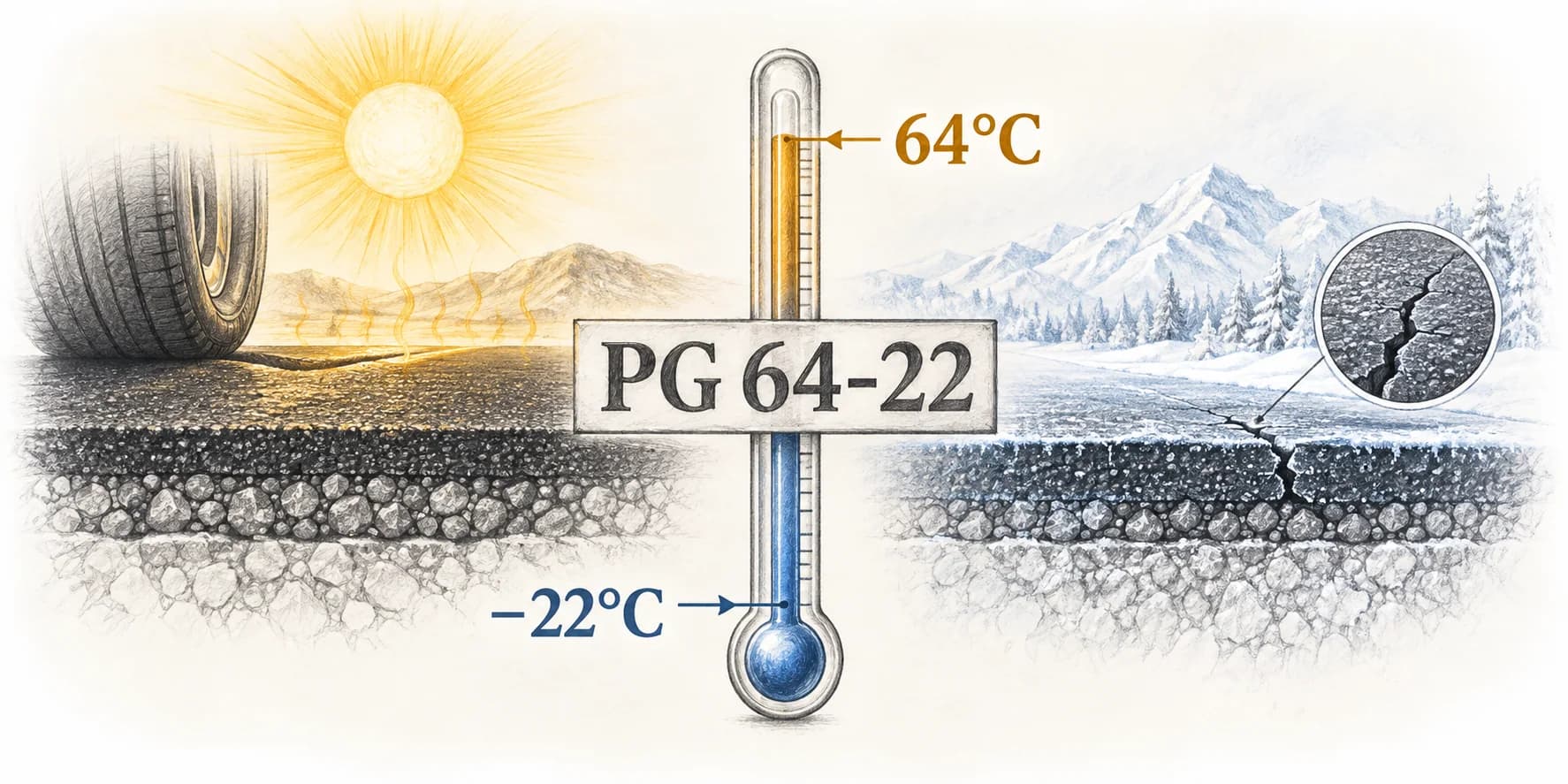
The main application of Bitumen 50/70 is in road construction and maintenance, particularly in regions with moderate climates. This grade of bitumen is valued for its balance of flexibility and strength, making it suitable for various types of pavements that need to withstand moderate traffic loads and seasonal temperature variations.
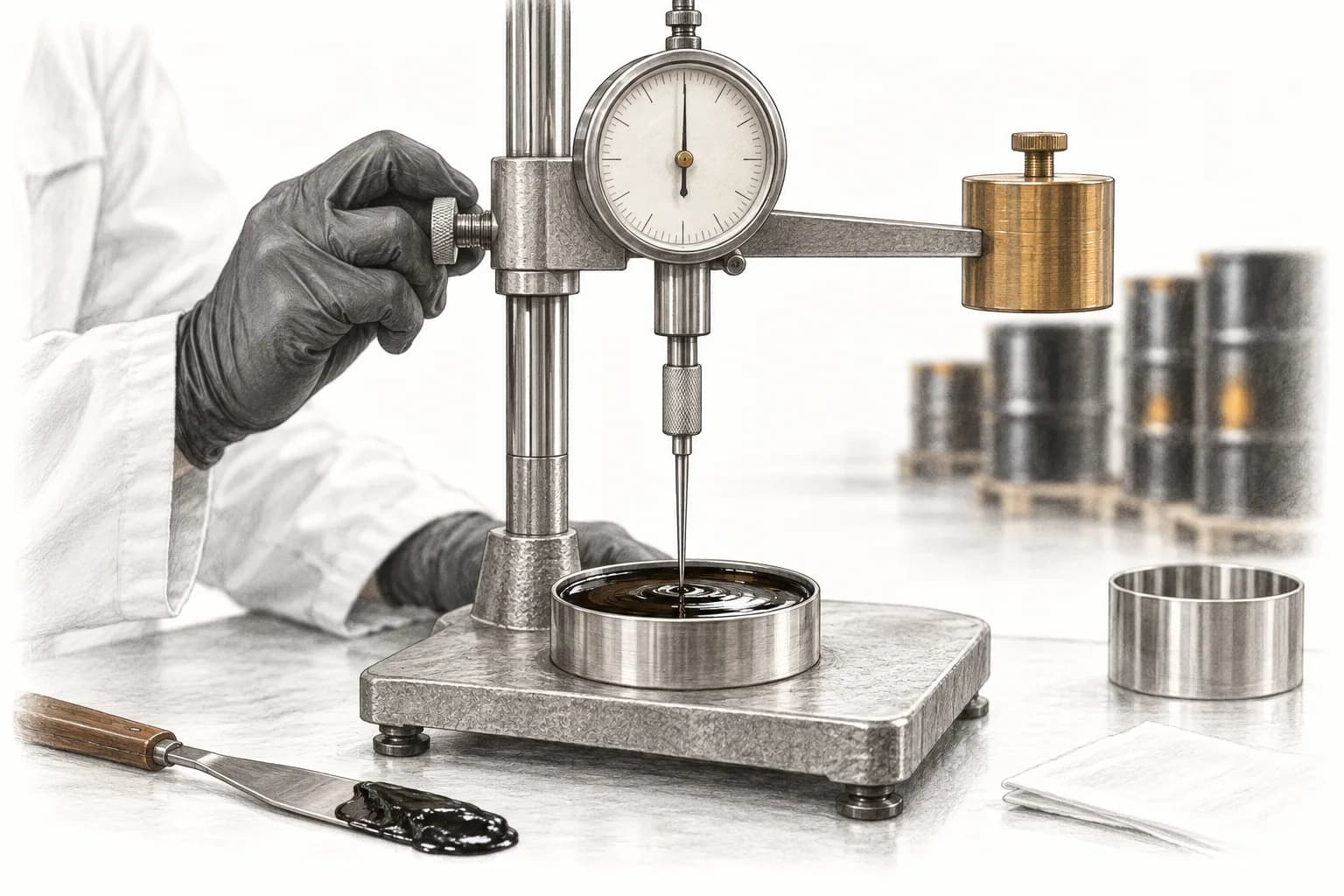
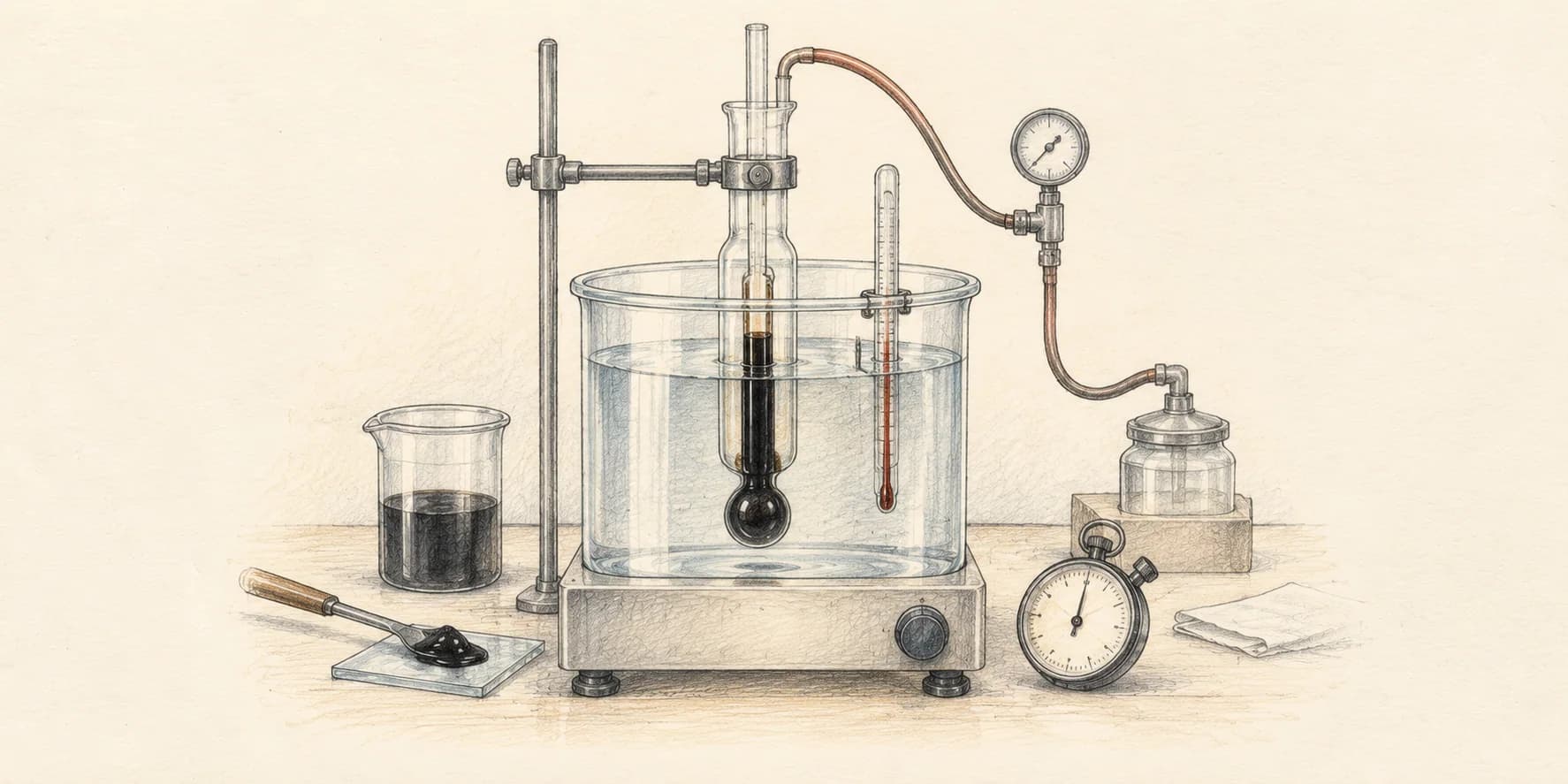
Bitumen 50/70 is supplied to EN 12591, the European paving-grade specification, with penetration tested to EN 1426 and softening point to EN 1427.
Share the grade, standard and edition your project names and our team will confirm the fit and the supply arrangement.
Identity
Standard
EN 12591
Penetration
50–70 (0.1 mm)
Softening point
46–54 °C
Penetration grade bitumen · EN 12591Why Bitumen 50/70
Both standards, the full rangeQuote against ASTM D946 or EN 12591 from one supplier, from hard 20/30 to soft 200/300, matched to the standard and edition in your project documents.
Every batch testedPenetration and softening point are tested on each batch against the specified standard before it ships, so the grade on the paperwork is the grade in the drum.
Full shipping documentationA Certificate of Analysis travels with every shipment. Certificate of Origin, MSDS and third-party inspection reports are arranged on request.
Three UAE load portsLoading from Jebel Ali, Port Khalid and Hamriyah gives flexibility on vessel timing and routing. FOB is standard; CFR and CIF are quoted on request.
Packed for your siteNew steel drums for containerised supply, jumbo bags for compatible grades, or heated bulk by vessel and tanker for receivers with hot storage.
Trade risk handledThe Nuroil team manages transport, insurance, logistics and foreign-currency payments, and can discuss financing options with overseas buyers.
What Nuroil does on every order
Why source Bitumen 50/70 from Nuroil?
Tested against your standard
Penetration and softening point on every batch, reported on the Certificate of Analysis.
ASTM or EN, as specified
Share the standard and edition your project names; closely related grades are not treated as interchangeable.
Drum to bulk
New steel drums, jumbo bags, tanker vessel or tank container, matched to your receiving facilities.
FOB, CFR or CIF
FOB Jebel Ali, Port Khalid or Hamriyah; CFR and CIF on request.
02 TECHNICAL DATA
Catalogue specification.
Penetration at 25 °C, 100 g, 5 s
50–70 (0.1 mm)EN 1426
Softening point (ring and ball)
46–54 °CEN 1427
Change of mass, after hardening at 163 °C
0.5% maxEN 12607-1
Retained penetration, after hardening at 163 °C
50.0% minEN 1426
Increase in softening point, after hardening at 163 °C
9.0 °C maxEN 1427
Flash point
240.0 °C minEN ISO 2592
Solubility
99.0% minEN 12592
Viscosity at 135 °C
295.0 mPa·s minASTM D4402M
Dynamic viscosity at 60 °C
145.0 Pa·s minEN 12596
Bitumen 50/70 beside the grades nearest to it in penetration. Lower numbers mean harder bitumen; choose by the standard, climate and traffic your project names.
Property
40/60
50/70This page
60/70
70/100
Standard
EN 12591
EN 12591
ASTM D946
EN 12591
Penetration at 25 °C (0.1 mm)
40–60
50–70
60–70
70–100
Softening point
48–56 °C
46–54 °C
46 °C min
43–51 °C
Flash point
240.0 °C min
240.0 °C min
230 °C min
240.0 °C min
Ductility at 25 °C
Not in the EN table
Not in the EN table
100 cm min
Not in the EN table
Typical use
Heavy-duty roads and industrial pavement
General paving and moderate climates
General paving and moderate climates
Moderate-to-cool climates
03 APPLICATIONS
Where it is used.
01
Road construction
Highways and main roads: Bitumen 50/70 is widely used in the construction of highways and main roads, where the pavement needs to endure moderate traffic, including cars, buses, and light trucks. Its properties ensure that the pavement remains durable and resistant to rutting and cracking. Urban roads and streets: It is ideal for constructing urban roads, streets, and residential areas, where the pavement is subject to various vehicle types and moderate traffic loads.
02
Surface dressing
Road maintenance: Bitumen 50/70 is used in surface dressing, a maintenance process where a layer of bitumen is sprayed onto the road surface and then covered with aggregate. This helps to seal the surface, improve skid resistance, and extend the lifespan of the road. Protective coating: It can be applied as a protective layer on existing road surfaces to prevent water ingress, reduce wear, and protect the underlying structure.
03
Asphalt production
Hot mix asphalt (HMA): Bitumen 50/70 is a common binder in hot mix asphalt, used for producing asphalt concrete for road surfaces. It provides a good balance of workability during mixing and laying, along with long-term durability. Warm mix asphalt (WMA): It can also be used in warm mix asphalt production, which allows for lower mixing temperatures, reducing energy consumption and emissions during the asphalt production process.
04
Industrial uses
Waterproofing and roofing: Bitumen 50/70 is sometimes used in the manufacture of waterproofing materials, roofing felt, and industrial adhesives. Its properties make it suitable for applications that require a reliable and durable material resistant to water and weathering.
05
Pavements in moderate climates
Seasonal temperature variations: This grade is particularly suitable for regions with moderate climate variations, where the pavement needs to maintain its integrity through seasonal changes without significant deformation or cracking.
04 SAFETY & HANDLING
Not classified cold. Handled hot, with care.
Penetration grade bitumen is generally not classified as hazardous when cold. It is stored, pumped and loaded hot, and the Safety Data Sheet for the offered grade decides; review it before first handling.
Not classified
GHS Generally not classified as hazardous when cold. Check the SDS for the offered grade.
Hot product Handled hot: contact causes severe burns, and hydrogen sulphide can collect in tank headspace. Per SDS.
UN
Not regulated cold · UN 3257 when shipped hot, per SDS
Transport
Elevated temperature liquid, Class 9, when hot · per SDS
01
Hot product burns
Contact with hot bitumen causes severe burns. Wear heat-resistant gloves, face protection and covering clothing when handling it hot.
02
Hydrogen sulphide in the headspace
H₂S can collect in the headspace of heated tanks and tankers. Ventilate and test the atmosphere before opening or entry, per SDS.
03
Avoid overheating
Prolonged excessive heat accelerates ageing and hardening before application. Use the heating range appropriate to the grade.
04
Follow the SDS
Classification, first aid and fire-fighting measures are on the Safety Data Sheet for the offered grade.
Plan heating and handling.
Before it arrivesHeating and receiving confirmed
Confirm heating, storage and handling requirements for your grade and packing format before shipment arrives. Hot bulk bitumen requires suitable heated receiving facilities.
Grade temperatureUse the heating and application range appropriate to the selected grade.
Avoid overheatingProlonged excessive heat accelerates ageing and hardening before application.
Modifier compatibilityConfirm compatibility with project-required polymers or additives before site blending.
Receiving facilitiesHot bulk bitumen requires suitable heated storage, pumps and safe transfer equipment.
Standards and test methods.
HS code2713.20
Transport, coldNot regulated
Transport, hotUN 3257
EN 12591
European paving-grade specification
EN 1426 / EN 1427
Penetration and ring-and-ball softening point
EN 12607-1
Resistance to hardening at 163 °C
EN ISO 2592 / EN 12592
Flash point and solubility
ASTM D4402M / EN 12596
Viscosity at 135 °C and dynamic viscosity at 60 °C
National road authority specification
May reference a standard or national variant; confirm the exact standard, grade and edition before ordering
05 PACKING OPTIONS
Drums, jumbo bags or bulk.
Packing availability is confirmed for Bitumen 50/70 and the offered source. Container loads in the planner are typical planning figures; the offer confirms them.
Small quantities
Drums
New steel drums of 200, 180 or 156 kg, or customised, palletised for containerised supply.
Include the grade, ASTM or EN standard, quantity, destination, specification and packing preference. Our team replies with a tailored offer. We reply with a firm FOB, CFR or CIF offer, usually within 24 hours.