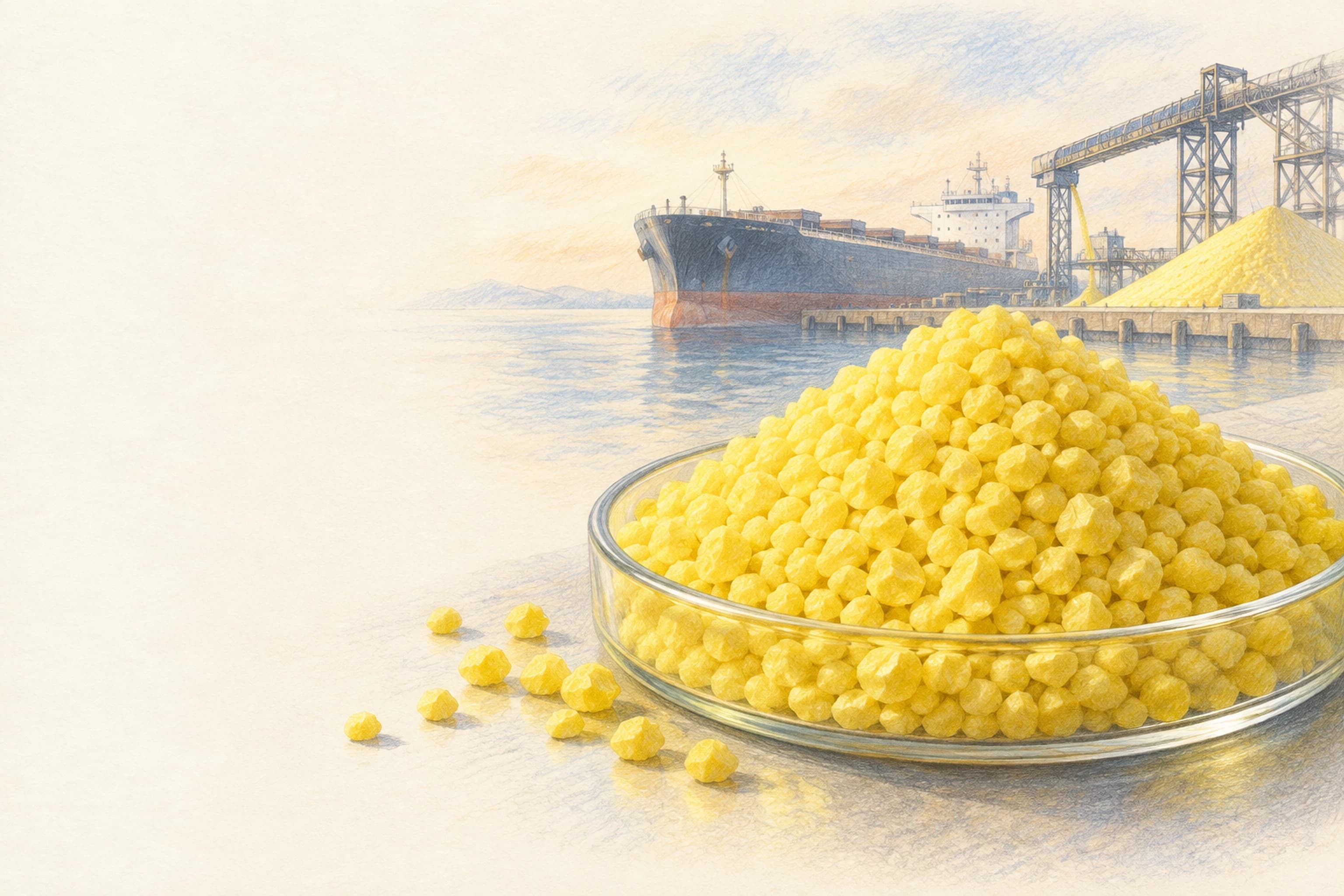
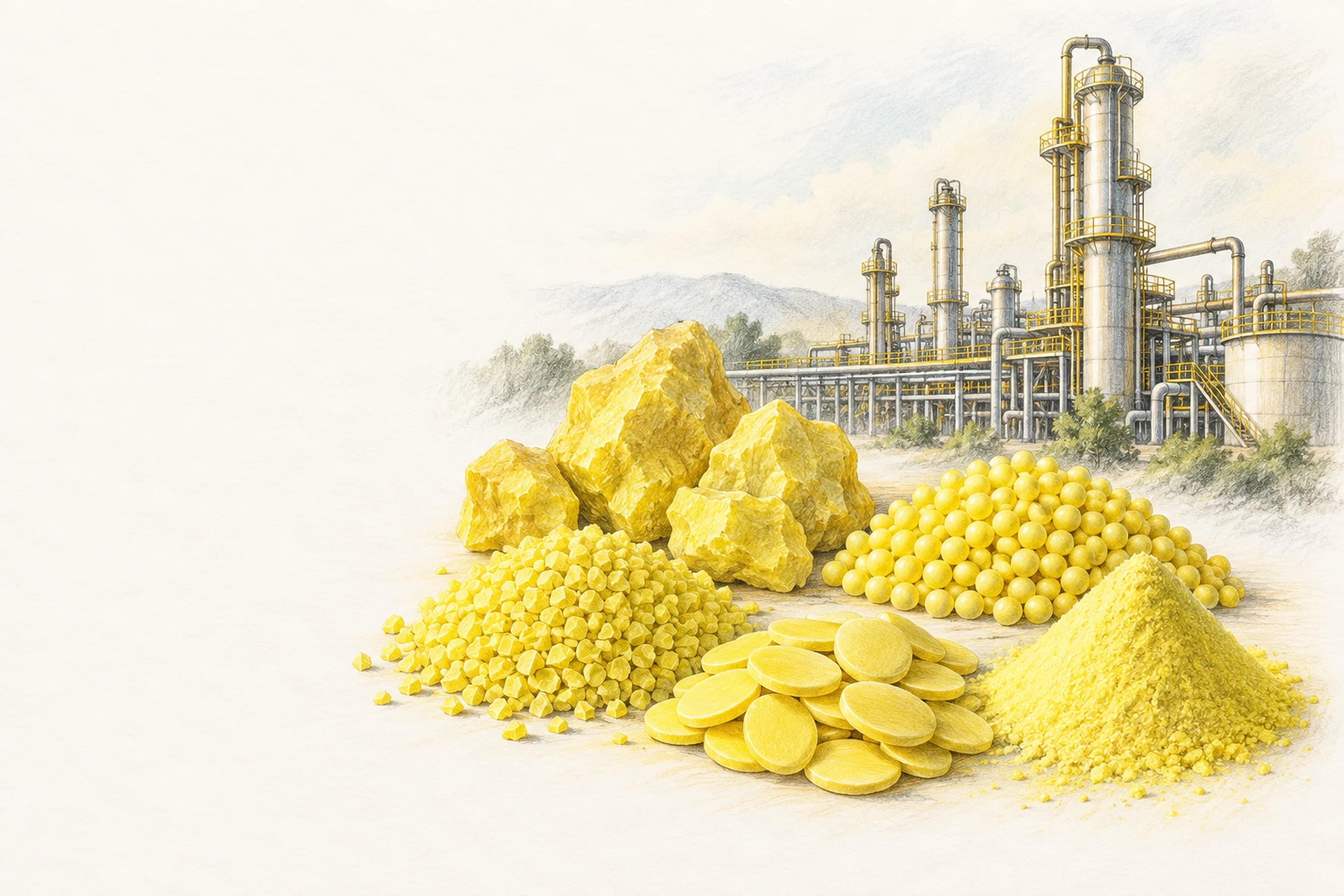
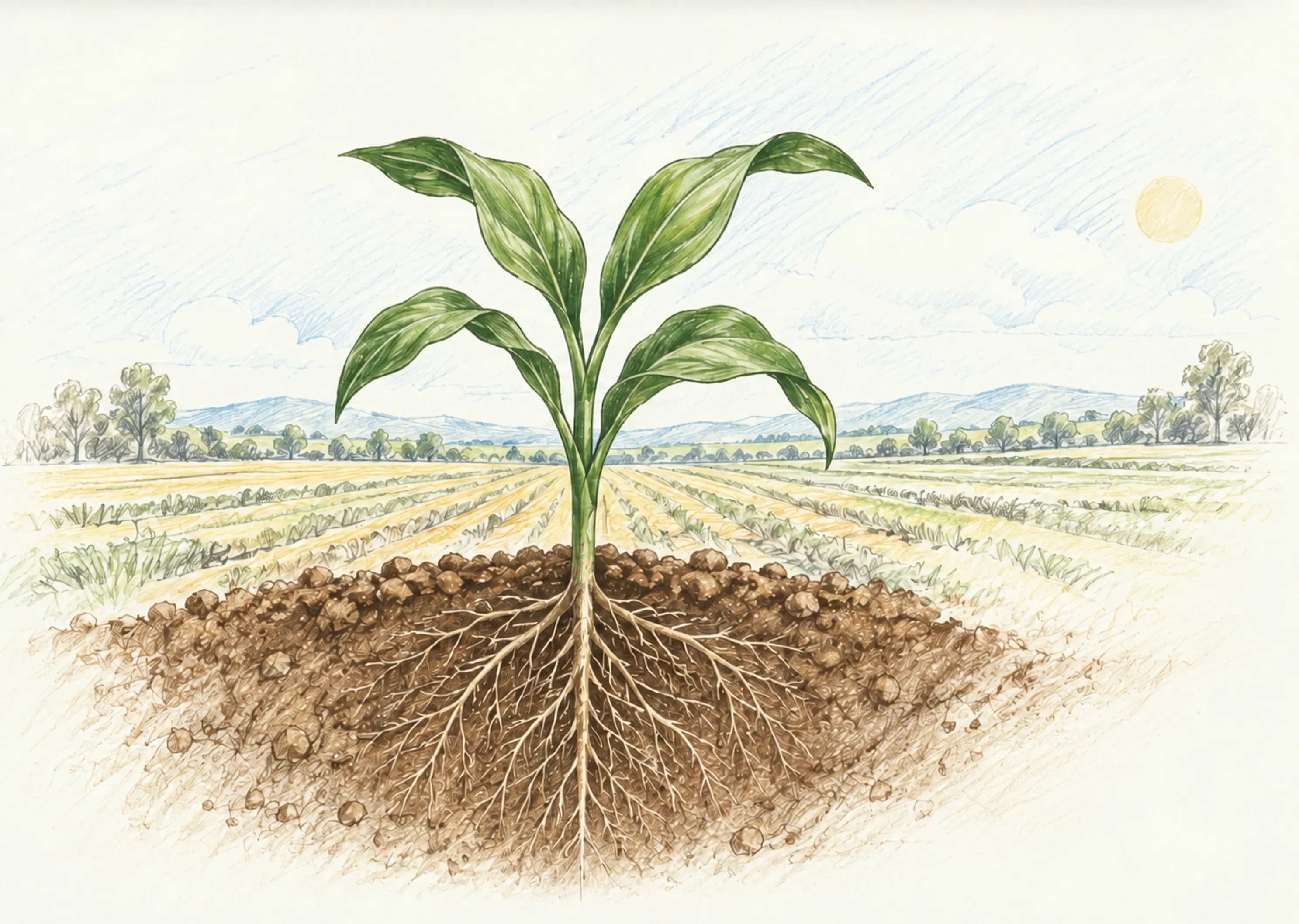
Prilled Sulphur is elemental sulphur formed into small, uniform spherical pellets through a wet process: molten sulphur solidifies on contact with agitated water.
Its low moisture, low dust and consistent 2–4 mm size support fertilizer blending. The process changes handling characteristics—not sulphur chemistry.
Uniform sizeCompatible with urea, DAP, potash and fertilizer blends.
Low dustWell suited to bulk handling and bagging.
Industry recognisedA familiar fertilizer-manufacturing specification.
What Nuroil does on every order
Why choose prilled sulphur from Nuroil?
Checked against the batch CoA
Sulphur content, ash, moisture and acidity are reviewed on the batch certificate before loading.
Form matched to your process
Granular, lump, prilled, pastillated or powder, confirmed against how you receive and use it.
Jumbo bag to bulk vessel
Containerised FIBC bags or bulk cargo, planned around your receiving facilities.
One desk, firm offers
FOB, CFR or CIF from our Sharjah trade desk, usually within 24 hours.
02 TECHNICAL DATA
Technical specification.
Sulphur content
99.5% minASTM D4239
Ash
0.05% maxASTM D4239
Moisture
0.5% maxASTM D2790
Acidity as H₂SO₄
0.05% maxTitration
Carbon
0.05% maxASTM D4239
Particle size
2–4 mmSieve analysis
Dust generation
Low
Colour
Bright yellowVisual
Appearance
Uniform spherical pelletsVisual
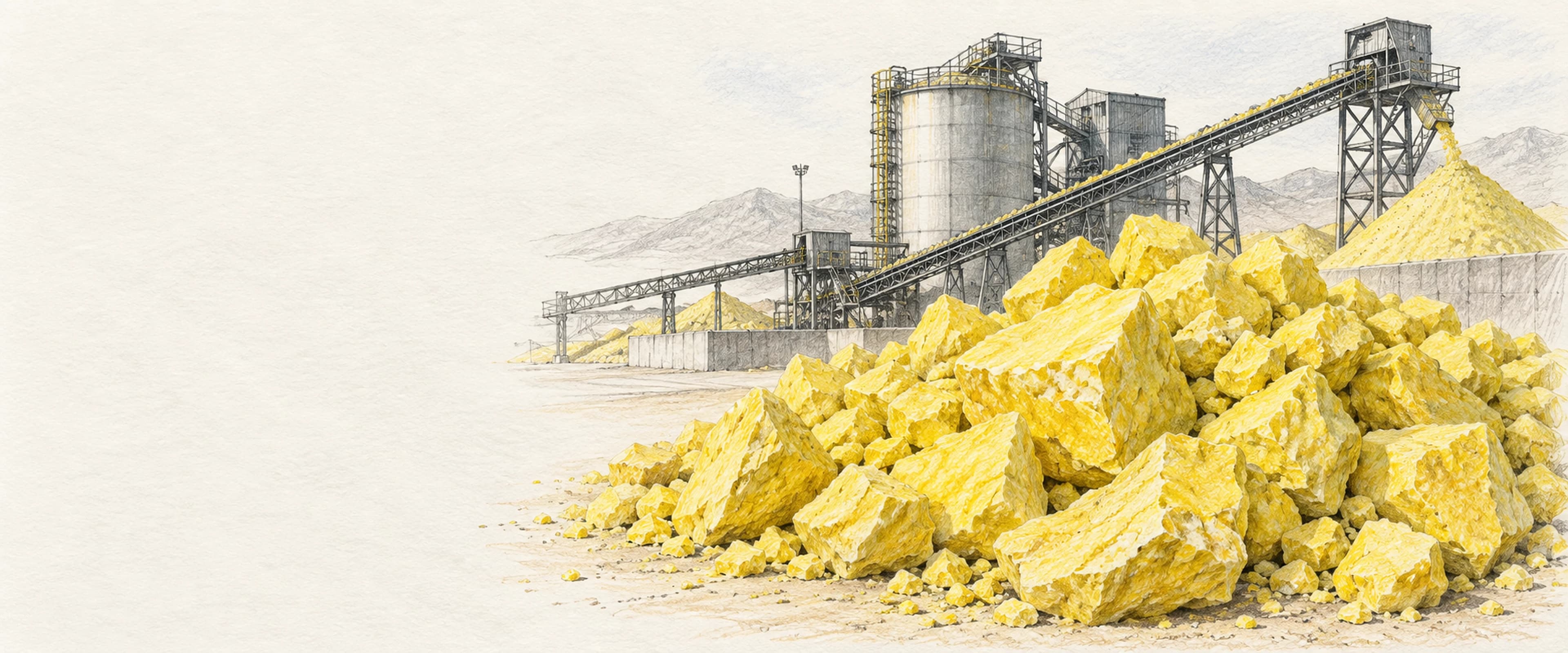
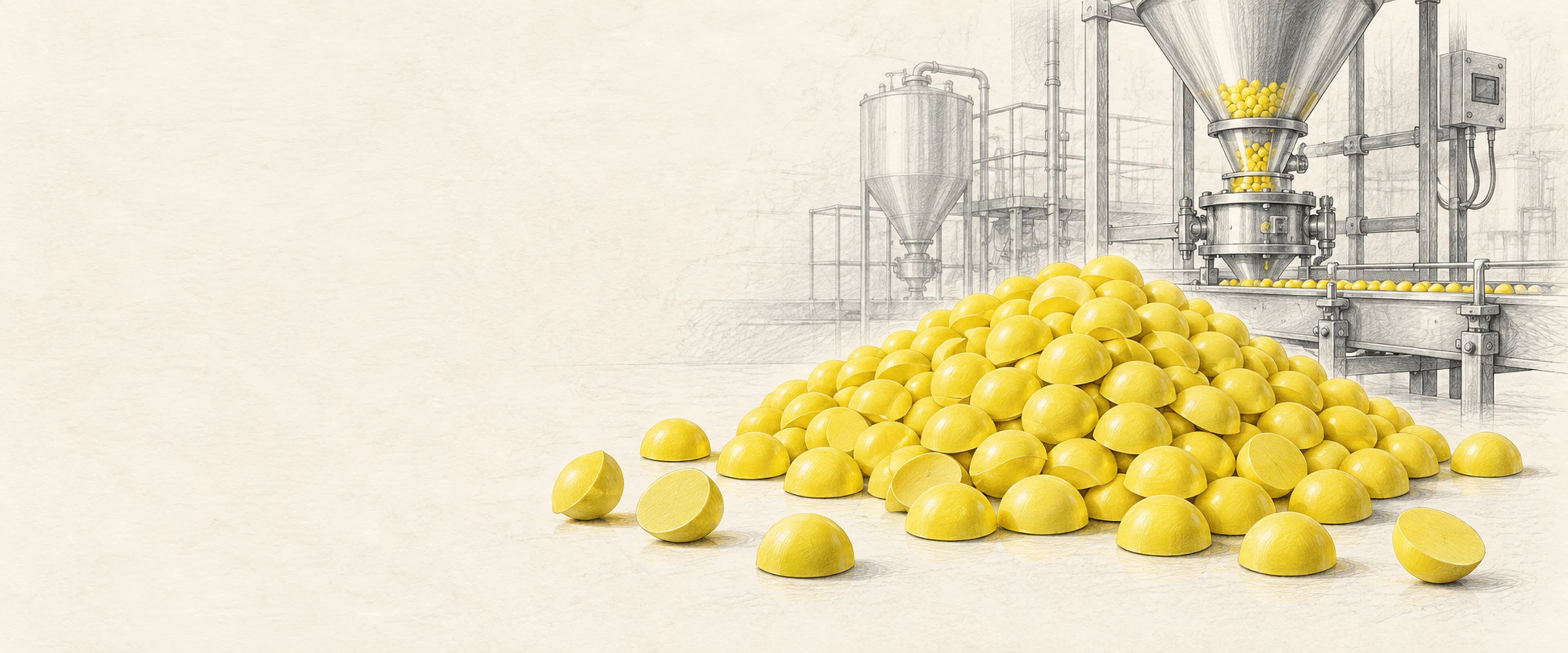
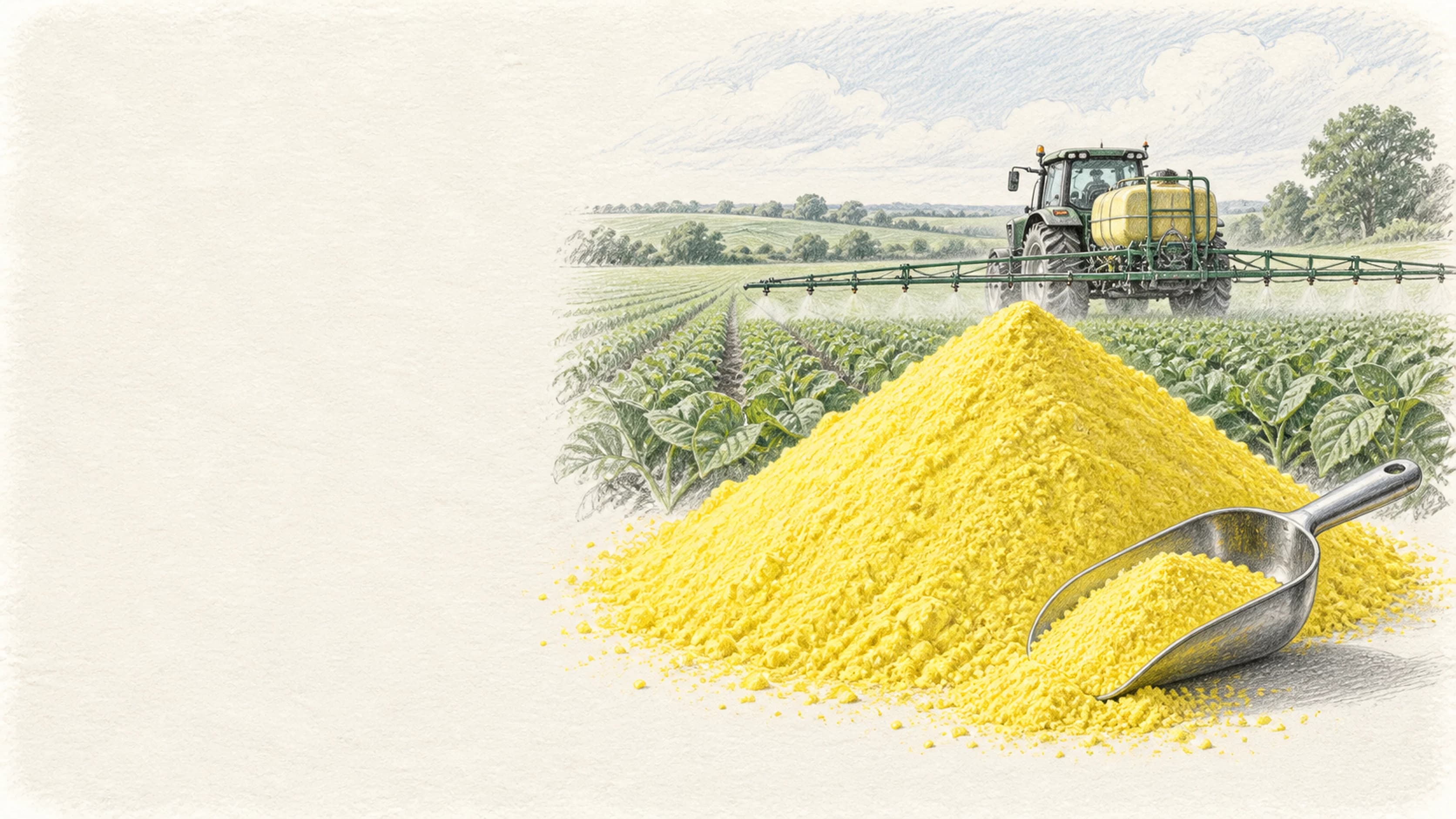
The same elemental sulphur in five forms. Choose by how you handle, dose and process it.
Property
Granular
Lump
PrilledThis page
Pastillated
Powder
Size
2.4–4.4 mm
Irregular
2–4 mm
2–5 mm
Below 100 µm
Dust
Low
Higher
Low
Very low
High
Flow
Free-flowing
Lumps
Free-flowing
Free-flowing
Powder
Cost
Moderate
Lowest
Moderate
Highest
Moderate
Best suited to
Trade, sulphuric acid
On-site processing
Fertilizer
Precise dosing
Agriculture
03 HOW IT IS MADE
Wet prilling.
Molten sulphur passes through perforated trays into an agitated water bath, where streams form and harden into spherical prills. Dewatering screens recover the product while cooled process water returns in a closed loop.
01
Molten feed
Sulphur reaches the perforated tray
02
Water bath
Streams form spherical prills in cool water
03
Hardening
Agitation keeps pellets suspended
04
Dewatering
Screens separate product from water
05
Closed loop
Cooled water returns to the bath
04 APPLICATIONS
Where prilled performs.
01
Fertilizer Manufacturing
Uniform prills blend predictably with other fertilizer granules.
02
Sulphuric Acid Production
A low-dust feedstock comparable to Granular sulphur.
03
General Industrial Use
Consistent size supports bulk conveying and dosing.
05 SAFETY & HANDLING
Low dust. Controlled storage.
Warning
H315 Causes skin irritation.
Dust Fine dust can form an explosive cloud; keep it from ignition sources.
UN
1350 powder and lump
Formed shapes
Not regulated (SP 242)
01
Control fines
Fines can accumulate and create a combustible-dust or static-charge hazard.
Typical loads used for planning. Your offer confirms the exact packing and load for the product and source.
520 ft containers
jumbo bags
100
Last 20 ft container
17% full
Minimum orderOne 20 ft containerAbout 24–25 t in jumbo bags
BulkBy vesselPer vessel hold, confirmed at booking
DocumentsCoA with every batchSDS and Certificate of Origin on request
07 BEFORE YOU ORDER
Frequently asked questions.
01What is the difference between Prilled and Granular Sulphur?
Prilled is formed by a wet water-bath process; Granular is built by dry drum granulation. Prilled is closely associated with fertilizer manufacture, while Granular is common in bulk trade and acid production.
02Why is Prilled preferred for fertilizer manufacturing?
Its uniform particle size and low moisture support blending with urea, DAP, potash and other fertilizer granules.
03How is Prilled Sulphur produced?
Molten sulphur streams solidify in an agitated water bath, then pass through dewatering screens before conveying.
04Can Prilled be used for sulphuric acid production?
Yes. Prilled and Granular both offer low dust and consistent handling for acid production.
05What documents come with a shipment?
A Certificate of Analysis is supplied. Certificate of Origin and MSDS are available on request.
06What packing formats are available?
PP/PE jumbo bags and bulk supply are available.
07What Incoterms are available?
FOB, CFR and CIF offers can be prepared around origin, destination and volume.
08Which standards are commonly used?
ASTM D4239 is referenced for sulphur, ash and carbon; ASTM D2790 for moisture.
Include quantity, destination, application and packing preference for a tailored offer. We reply with a firm FOB, CFR or CIF offer, usually within 24 hours.