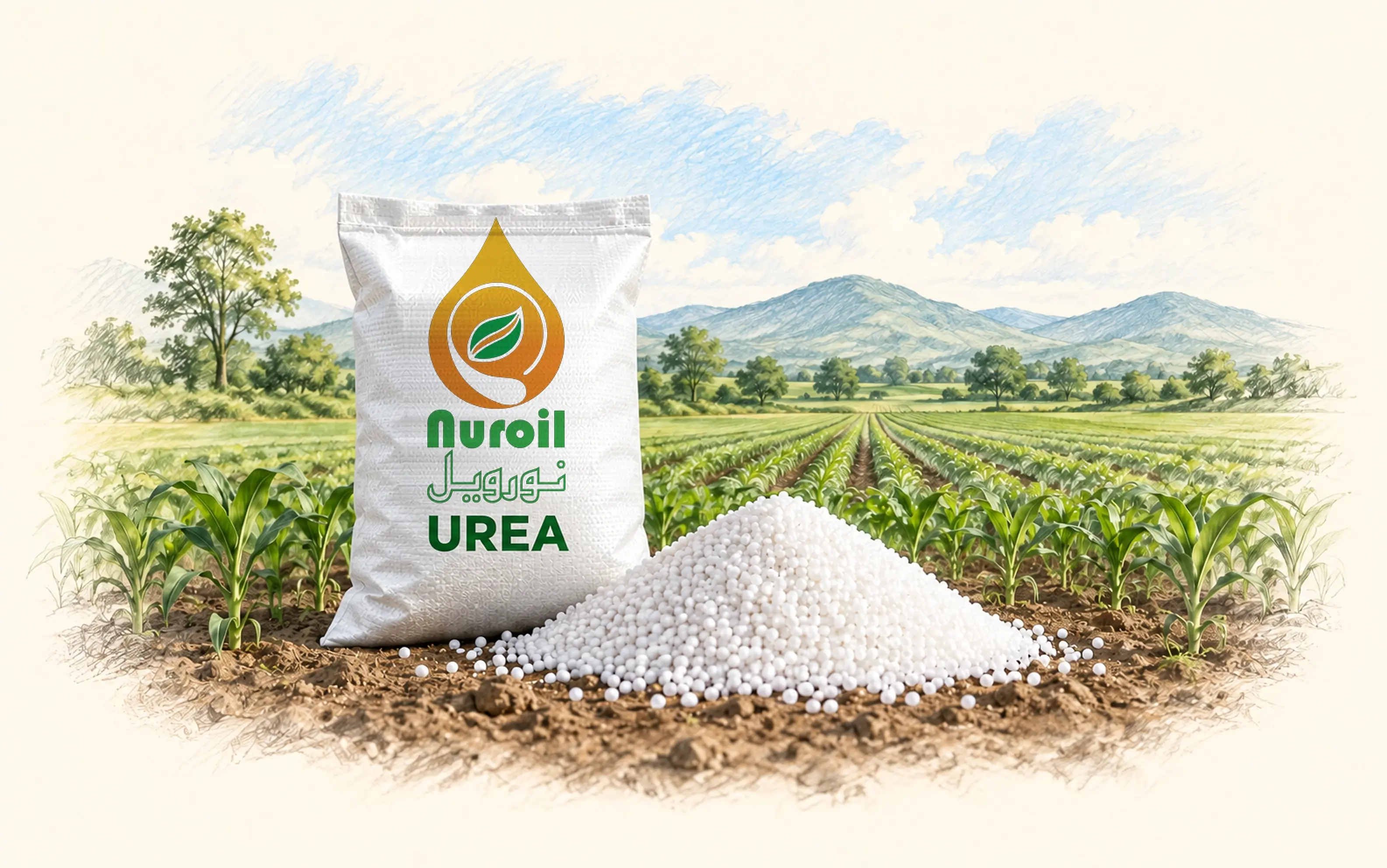
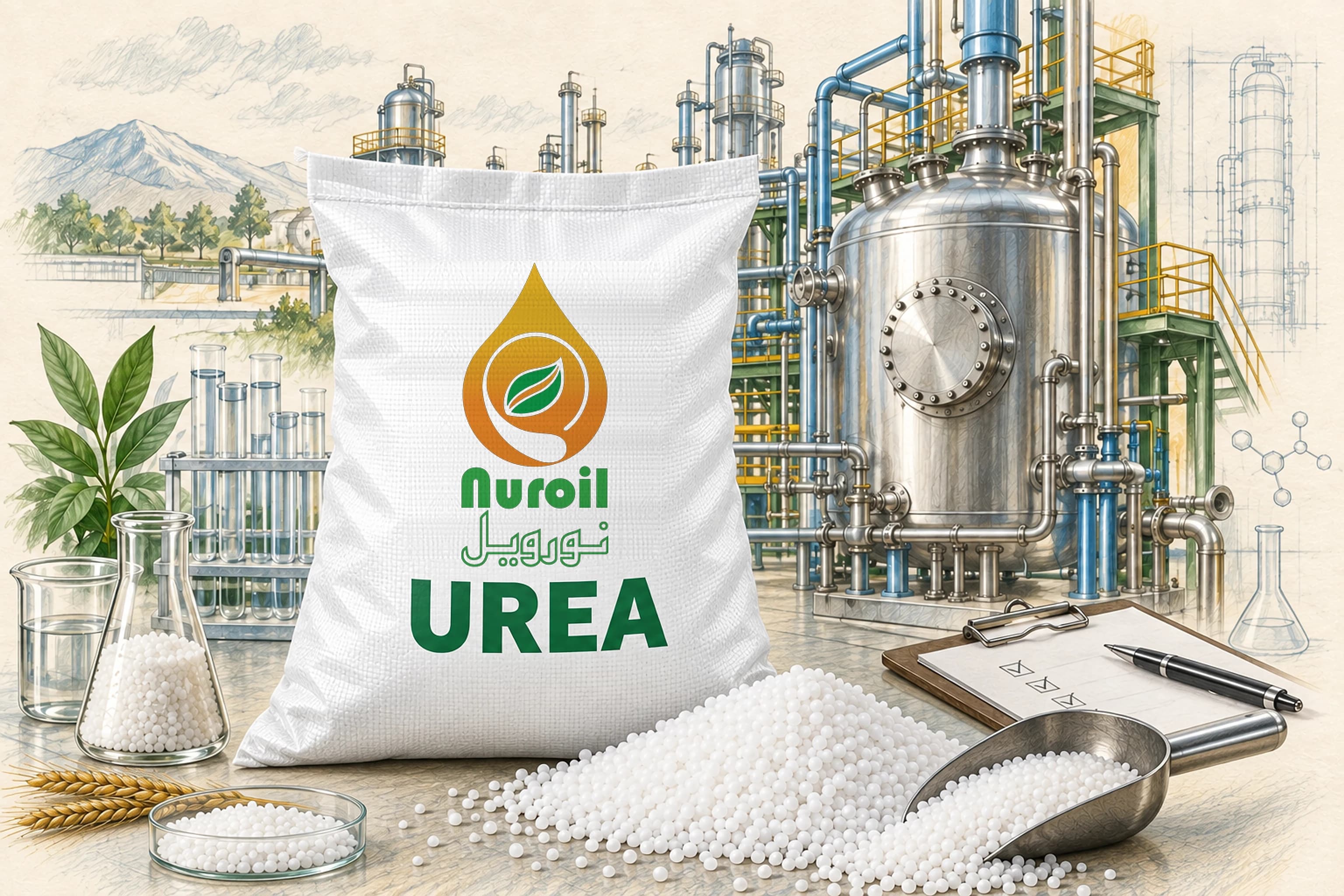
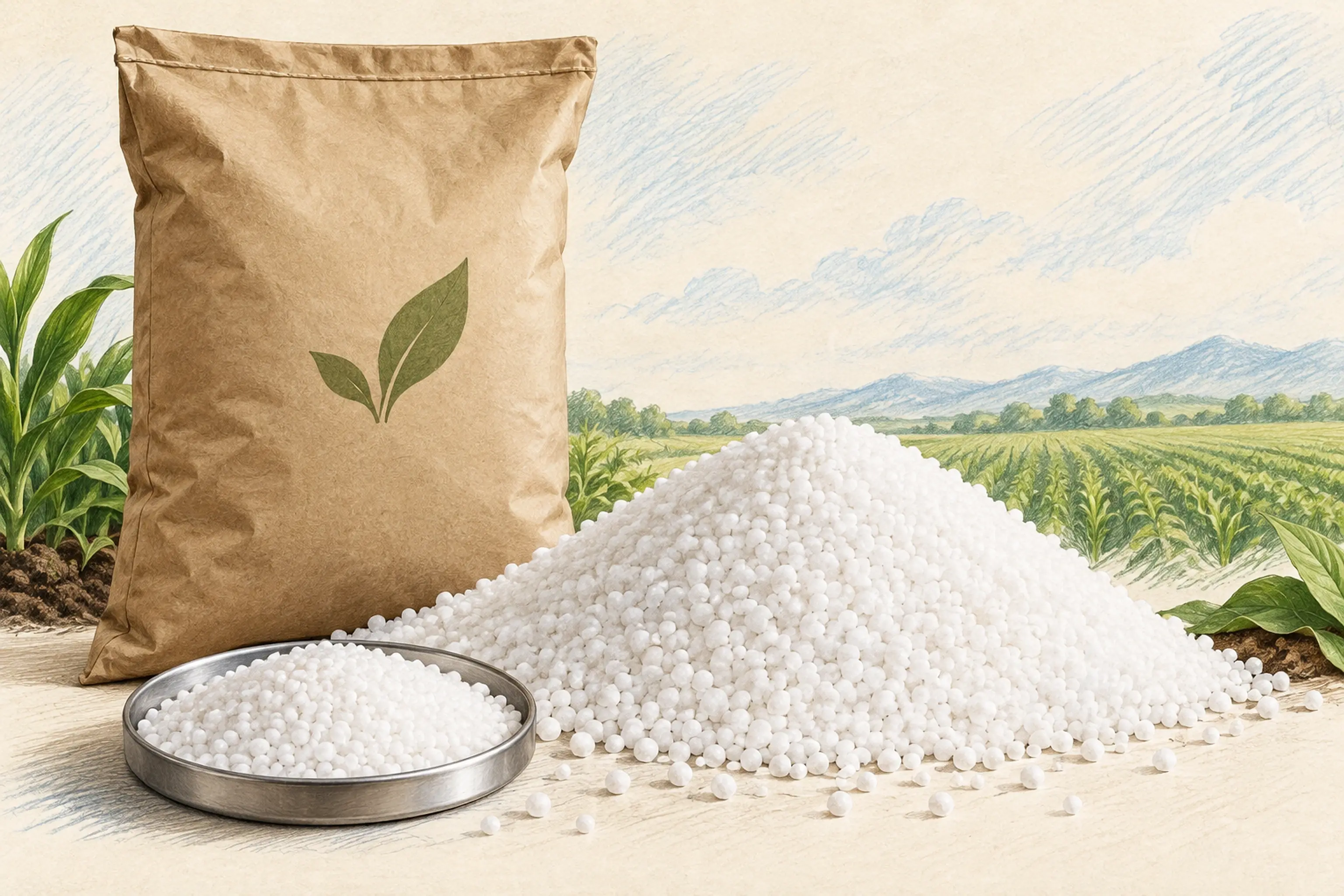
A non-protein nitrogen source for ruminant feed, made to tighter biuret control than agricultural urea, so rumen microbes have a cost-effective nitrogen source for building protein.
Feed grade urea is CO(NH₂)₂ with 46% nitrogen, made and certified to a tighter purity profile for ruminant feed. It supplies non-protein nitrogen (NPN) that rumen microbes turn into microbial protein.
In the rumen, urease turns urea into ammonia, which microbes combine with energy to build protein. Grain, molasses or another fermentable carbohydrate fed at the same time helps them capture it. Formulated this way, its high nitrogen density makes it a cost-effective supplement next to true-protein sources.
For ruminants only: cattle, sheep, goats and other animals with a working rumen. Without one, urea cannot become usable protein and blood ammonia can reach unsafe levels, so it is unsuitable for pigs, poultry, horses and other monogastric animals.
Identity
Formula
CO(NH₂)₂
Molar mass
60.06 g/mol
CAS
57-13-6
Urea · CO(NH₂)₂Why Feed grade urea
Cost-effective nitrogenLower cost per unit of crude protein equivalent than many true-protein ingredients.
High nitrogen density46% nitrogen means less product to handle.
Established nutrition toolA well-studied NPN source with decades of formulation guidance.
Flexible inclusionFor TMR, concentrates, feed blocks and treated roughage.
Certified feed purityTighter biuret and heavy-metal control on every batch.
What Nuroil does on every order
Why choose feed grade urea from Nuroil?
Checked against the batch CoA
Nitrogen, biuret and moisture, with heavy metals for feed grade, are reviewed on the batch certificate before loading.
Grade matched to the use
Agriculture, feed or technical grade, prilled, granular, coated or solution, confirmed against your crop, ration or process.
From bulk to field-ready bags
Bulk, 1 MT big bags or 50 kg bags, planned around your receiving facilities and order volume.
One desk, firm offers
FOB, CFR or CIF from our Sharjah trade desk, usually within 24 hours.
02 TECHNICAL DATA
Technical specification.
Nitrogen (N) content
46% minASTM E1518 / ISO 18227
Crude protein equivalent (N × 6.25)
Approx. 262–287%Calculated
Grade
Feed grade
Form
Prilled, granular or coatedVisual / sieve inspection
Appearance
White to off-white granulesVisual
Biuret content
0.3% maxISO 17318
Moisture content
0.5% maxISO 760 / Karl Fischer
Arsenic
3 ppm maxAOAC heavy metals method
Lead (Pb)
10 ppm maxAOAC heavy metals method
Show all 14 propertiesShow fewer
Granule / prill size
1–3 mmISO 8397 / sieve analysis
Bulk density
Approx. 0.74 g/cm³ASTM D1895
Solubility
Fully soluble in water
Shelf life
12 months from production, stored dry
Country of origin
Confirmed at enquiry stage
01STANDARD FEED GRADE
Rapid release
Releases nitrogen quickly in the rumen. Cost-effective, but needs accurate formulation, even mixing and a gradual start.
02COATED / SLOW-RELEASE
Controlled release
A lipid, polymer or complexed coating slows ammonia release, improving use and widening the formulation margin.
Selection guidance Standard urea suits carefully controlled rations. Choose slow-release material where formulation control is less precise or a wider safety margin is preferred.
The same 46% nitrogen in three grades. Each is made and certified for one use, so the grades are not interchangeable.
Property
Agriculture
FeedThis page
Technical
Nitrogen
46% min
46% min
46% min
Biuret
1.0% max
0.3% max
Process-specific
Heavy metals tested
Not specified
Arsenic and lead
Iron, trace metals as agreed
Forms
Prilled or granular
Prilled, granular or coated
Prilled, granular or solution
Size
2–4 mm
1–3 mm
To the process
Governing specification
Fertilizer standard
Feed-additive standard
Buyer process spec or ISO 22241-1
Best suited to
Field crops, pasture, turf, NPK blends
Ruminant rations, feed blocks, roughage
Resins, melamine, DEF, de-icing
03 HOW IT IS MADE
From ammonia to feed grade.
Ammonia and carbon dioxide react under pressure to form urea, which is prilled or granulated and, for slow-release grades, coated. Feed grade batches are tested for biuret and heavy metals before release.
01
Ammonia and CO₂
Anhydrous ammonia and carbon dioxide feed the reactor
02
Synthesis
They react under pressure to form urea solution
03
Forming and coating
Prilled or granulated; coated for slow release
04
Feed-safety testing
Biuret, moisture and heavy metals checked, then packed
04 APPLICATIONS
Built for ruminant rations.
01
Dairy cattle
Up to about 1% of ration dry matter, with high fermentable energy.
02
Beef cattle
Up to about 1% of ration dry matter; common in concentrate finishing rations.
03
Sheep and goats
About 0.5–1% of ration dry matter; use the lower end for a smaller rumen.
04
TMR and concentrates
A nitrogen component in balanced dairy, beef and feed-mill formulations.
05
Feed blocks (UMMB)
Combined with molasses and minerals for supplementary grazing nutrition.
06
Roughage treatment
About 3–5% of roughage dry weight to ammoniate straw and low-quality forage.
05 SAFE FEEDING
Ruminants only. Introduce it gradually.
General industry guidance, not a ration. A qualified livestock nutritionist must confirm the formulation; review the SDS before handling.
Not classified
GHS Not classified as hazardous by most producers. Keep dust from the eyes; store apart from strong oxidisers and hypochlorites.
UN
Not regulated
Transport
Not dangerous goods
01
Ruminants only
Never feed to pigs, poultry, horses or other monogastric animals.
02
Introduce gradually
Allow rumen microbes one to two weeks to adapt; a sudden full rate is a common cause of feeding problems.
03
Respect inclusion limits
Common guidance is about 1% of ration dry matter and no more than one-third of dietary nitrogen from NPN.
04
Pair with energy and mix evenly
Feed fermentable carbohydrate alongside it and mix thoroughly to prevent local overconsumption.
05
Clean water and traceability
Keep water available at all times, and record the CoA reference against every ration batch.
Keep it dry, keep it covered.
Shelf lifeAbout 12 months
From production, stored dry and covered. Urea draws moisture from humid air and cakes when left uncovered.
Keep bags closedReseal opened bags at once; humid air causes caking.
Dry, covered storeCool and ventilated, on pallets and off direct ground contact.
Away from alkaline materialsLime and strongly alkaline products speed up nitrogen loss as ammonia.
Each grade on its ownStore and label agriculture, feed and technical grades apart; they are not interchangeable.
Plan feed registration early.
HS code3102.10
CAS number57-13-6
EC number200-315-5
TransportNot regulated
EU Feed Additives Regulation (EC 1831/2003)
Authorised nutritional additive for ruminants within the EU, subject to registration
AAFCO Feed Ingredient Definitions
Common reference specification in North America
National feed control authority
Destination feed-additive import registration generally applies, separate from fertilizer registration and often with a longer lead time
Bag marking
“Feed Grade — For Ruminant Use Only”, product name, net weight, batch or lot number and production date
06 PACKING OPTIONS
Choose your packing format.
Figures are indicative. Confirm exact loading against the container type and destination-port handling requirements.
Large volumes
Bulk supply
For large feed mills with dedicated intake and storage systems.
Typical loads used for planning. Your offer confirms the exact packing and load for the product and source.
420 ft containers
bags
2,000
Last 20 ft container
100% full
Minimum orderOne 20 ft containerAbout 24–25 t in 50 kg bags or big bags
Shelf lifeAbout 12 monthsFrom production, stored dry and covered
DocumentsCoA with every batchSDS and Certificate of Origin on request
07 BEFORE YOU ORDER
Frequently asked questions.
01What is the difference between feed grade and agriculture grade urea?
Both contain 46% nitrogen, but feed grade has a tighter biuret limit and is tested for heavy metals because it is fed to animals. The grades are not interchangeable.
02Can urea be fed to any livestock?
No. Feed grade urea is for ruminants only, such as cattle, sheep and goats. Never feed it to pigs, poultry, horses or other monogastric animals.
03How much urea can I include in a ration?
General guidance is up to about 1% of total ration dry matter for cattle, 0.5–1% for sheep and goats, and no more than one-third of dietary nitrogen from NPN. A qualified livestock nutritionist must confirm the rate.
04Why must urea be introduced gradually?
Rumen microbes need one to two weeks to adapt. Starting at the full rate is a common cause of feeding problems.
05What is crude protein equivalent?
Nitrogen content multiplied by 6.25. It expresses the nitrogen contribution for formulation; it does not mean urea itself is protein.
06How does it compare with other protein sources?
Feed urea gives about 262–287% crude protein equivalent, against about 200–220% for biuret, about 90% for ammonium sulphate and 44–48% crude protein for soybean meal, so it has the lowest cost per unit. How well it is used depends on the whole ration.
07What documents come with each shipment?
Every shipment includes a Certificate of Analysis with heavy-metal results. Certificate of Origin, SDS and destination feed-registration documents are available on request.
08What Incoterms do you offer?
FOB is standard; CFR and CIF offers to your destination port are available on request.
09How should feed grade urea be stored?
Dry, covered and cool, clearly labelled and physically separated from agriculture and technical grade urea.
Include the quantity, destination, standard or slow-release preference and packing format for a tailored offer. We reply with a firm FOB, CFR or CIF offer, usually within 24 hours.