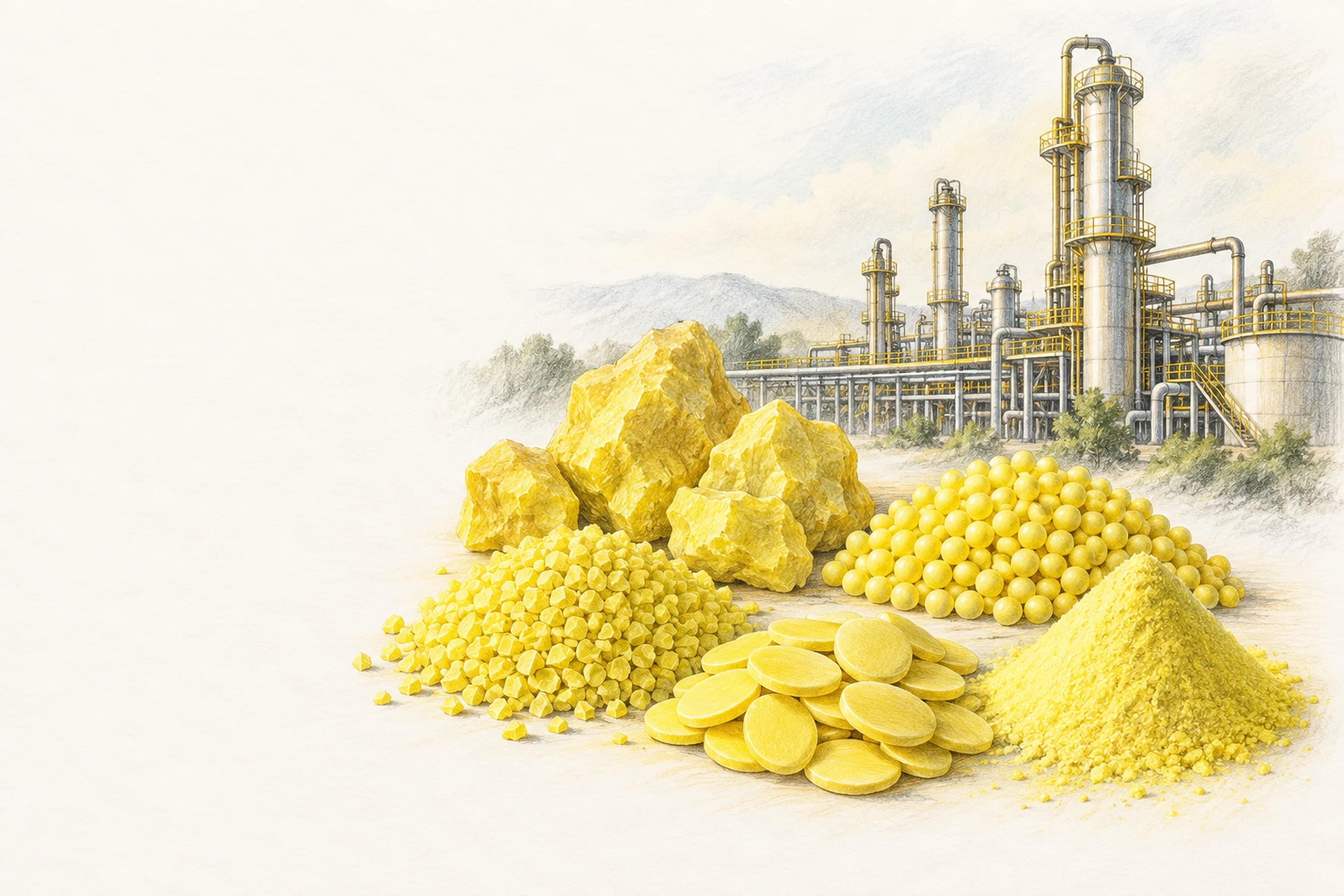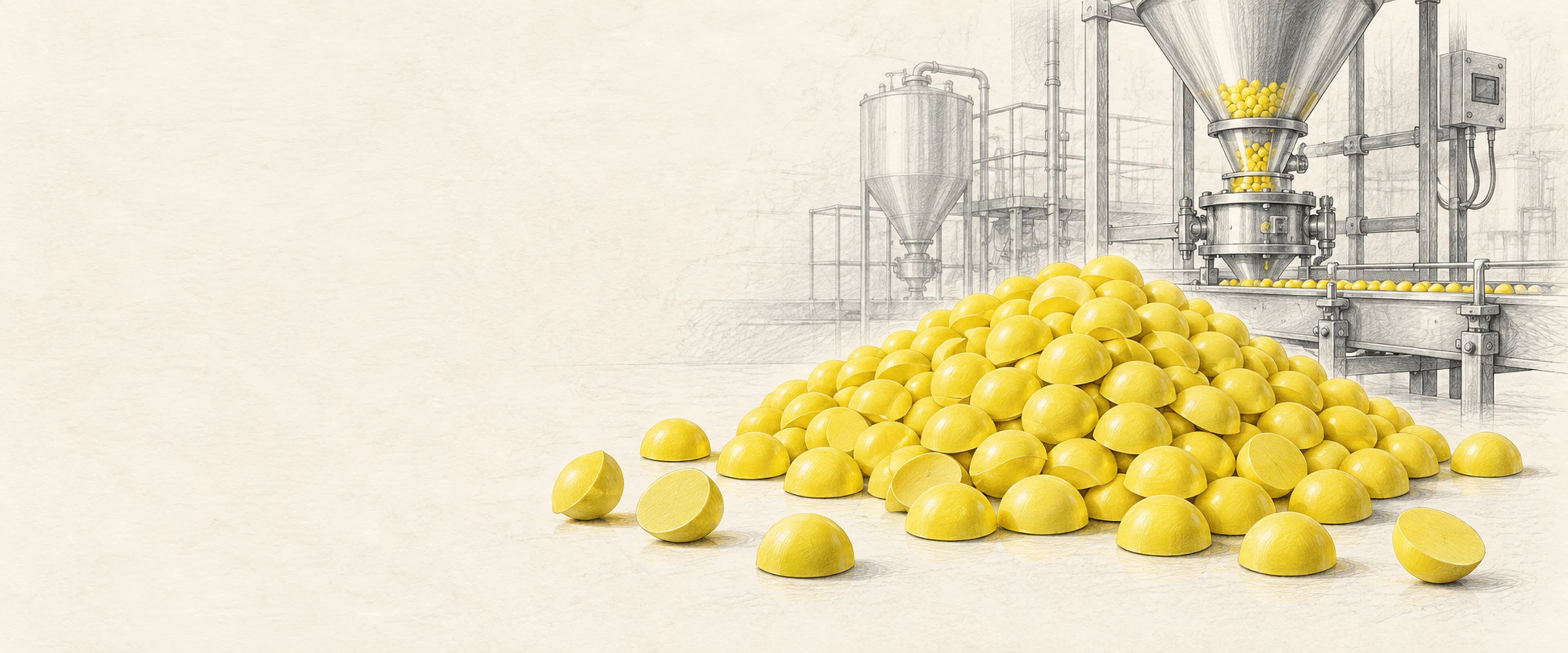
The most common complaint about bentonite sulphur pastilles is that "they did not work". In most cases the product did what it was designed to do; it simply did it on a slower timetable than the grower expected. Timing and placement decide whether pastilles pay off.
Why timing matters more than rate
A crop can only absorb sulphur in sulphate form. Elemental sulphur from a pastille must first disperse in soil moisture and then be oxidised by soil microbes. Both steps take time, and the second depends heavily on warmth, moisture and how finely the fragments are spread through the soil.
Research illustrates the gap. In Canadian trials on sulphur-deficient soils, a 90% bentonite sulphur product broadcast on the surface eventually gave a yield response equal to ammonium sulphate, but only about 24 months after application. When the same product was banded before seeding or placed with the seed, too little sulphate became available even after two years. A separate study on wheat and canola found that 90% elemental sulphur pastilles contributed very little to crop uptake in the season they were applied, while phosphate fertilizers carrying finely divided elemental sulphur did considerably better.
Broadcast, do not band
Placement has a large effect. Banding concentrates pastilles in a narrow strip, where fragments sit close together and have limited contact with soil and microbes. Broadcasting spreads them over the whole surface, and rain, tillage and soil fauna gradually mix them in. Incorporation after broadcasting, where the farming system allows it, helps further by bringing the fragments into contact with moist soil.
Good windows for application
- The season before. Applying after harvest, ahead of the following crop, gives the longest dispersion and oxidation period.
- Into warm, moist soil. Oxidation is faster near field capacity and in warm conditions. Applications into cold or very dry soil may sit idle for months.
- Before the rains or irrigation season. In dry climates, placing pastilles shortly before regular moisture arrives lets dispersion start promptly instead of waiting on dry ground.
- Perennial crops and pastures. Orchards, plantations and grassland, which take up sulphur over many years, suit a slow-release source well.
- Rotations with regular sulphur demand. Annual maintenance applications build a reserve that keeps oxidising across seasons.
When you also need sulphate
If a crop is already deficient, or soil tests show low sulphate before a high-demand crop such as canola, an oilseed or a brassica, pastilles alone are the wrong tool for this season. A practical approach is to supply part of the requirement as sulphate, for example through ammonium sulphate or a sulphur-containing compound fertilizer, and use pastilles to build the reserve for later seasons.
| Situation | Pastilles alone | Pastilles plus sulphate |
|---|---|---|
| Visible deficiency in current crop | Too slow | Recommended |
| Low soil sulphate, high-demand crop next month | Too slow | Recommended |
| Maintenance on adequate soil, applied a season ahead | Suitable | Optional |
| Perennial crop or pasture, long-term supply | Suitable | Optional |
Common reasons for poor results
- Pastilles that had absorbed moisture in storage and caked, leading to uneven spreading.
- Product that did not disperse well; dispersion quality varies between producers.
- Application into cold soil just before sowing, with expectations of an immediate response.
- Seed-row placement instead of broadcasting.
- Judging results too early. Soil and tissue tests a full season or more after application give a fairer picture than a single check a few weeks later.
- Waterlogged soils, where oxidation stops for lack of oxygen.
Supply planning
Because the best window is often the season before planting, order pastilles early enough to arrive dry and on time. When enquiring, state the sulphur content you need, the pastille size range, bag size and destination, and ask for the CoA and the SDS. Nuroil supplies pastillated sulphur on FOB, CFR or CIF terms; see request a quote to start an enquiry.