Bitumen Class 450 or C450 is an AS 2008 Australian Standard bitumen class with a nominal viscosity of 450 Pa·s at 60°C. It is one of the hardest and most viscous bitumen grades available, designed for use in extreme conditions that require the highest resistance to deformation, such as heavy traffic, industrial use, and warm climates.
The main applications of Bitumen Class 450 involve heavy-duty infrastructure that requires high resistance to deformation and durability under extreme conditions. Its high viscosity (nominal 450 Pa·s at 60°C) makes it one of the stiffest bitumen grades, suited for environments with heavy traffic, industrial loads, and high temperatures.
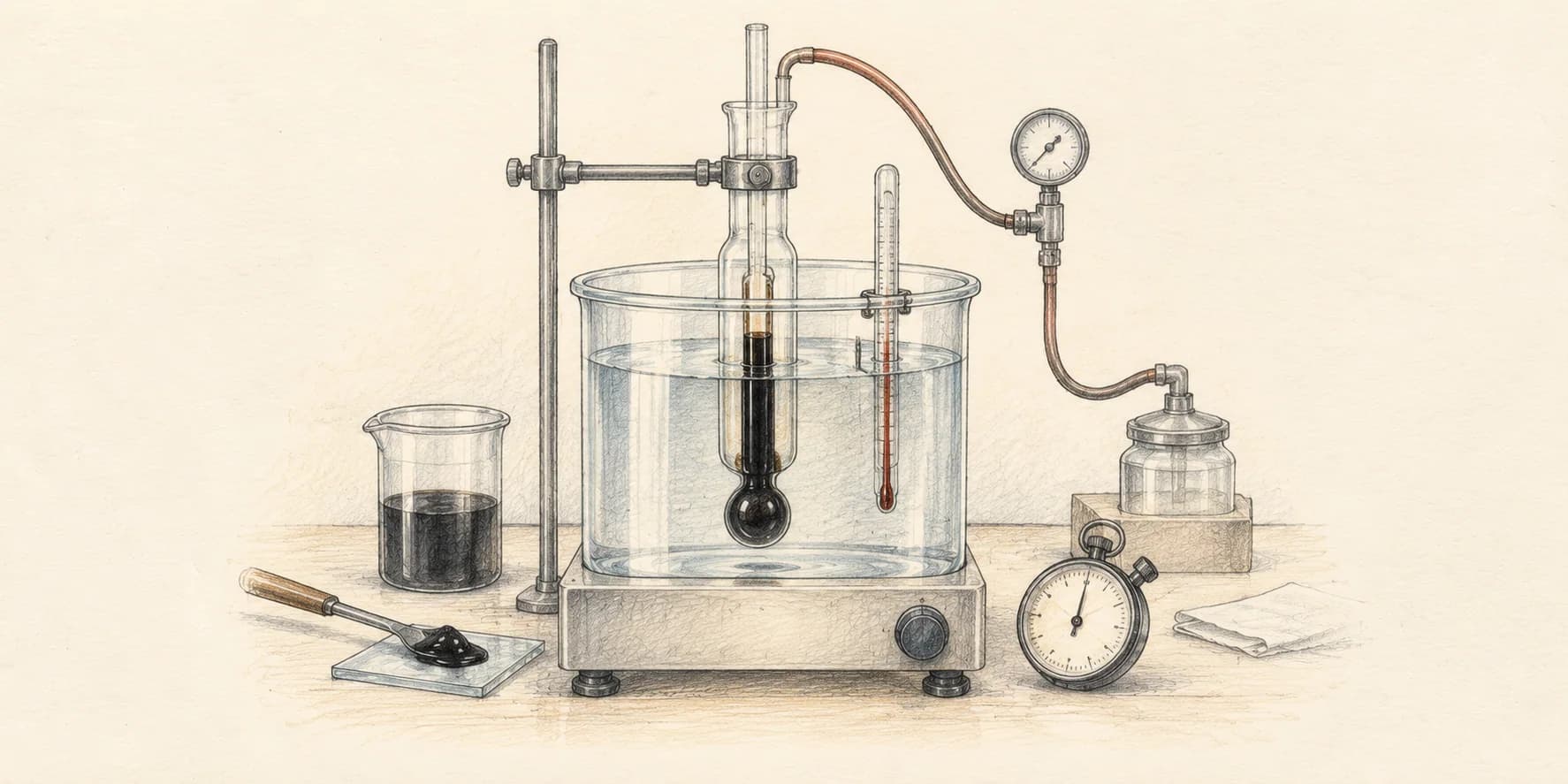
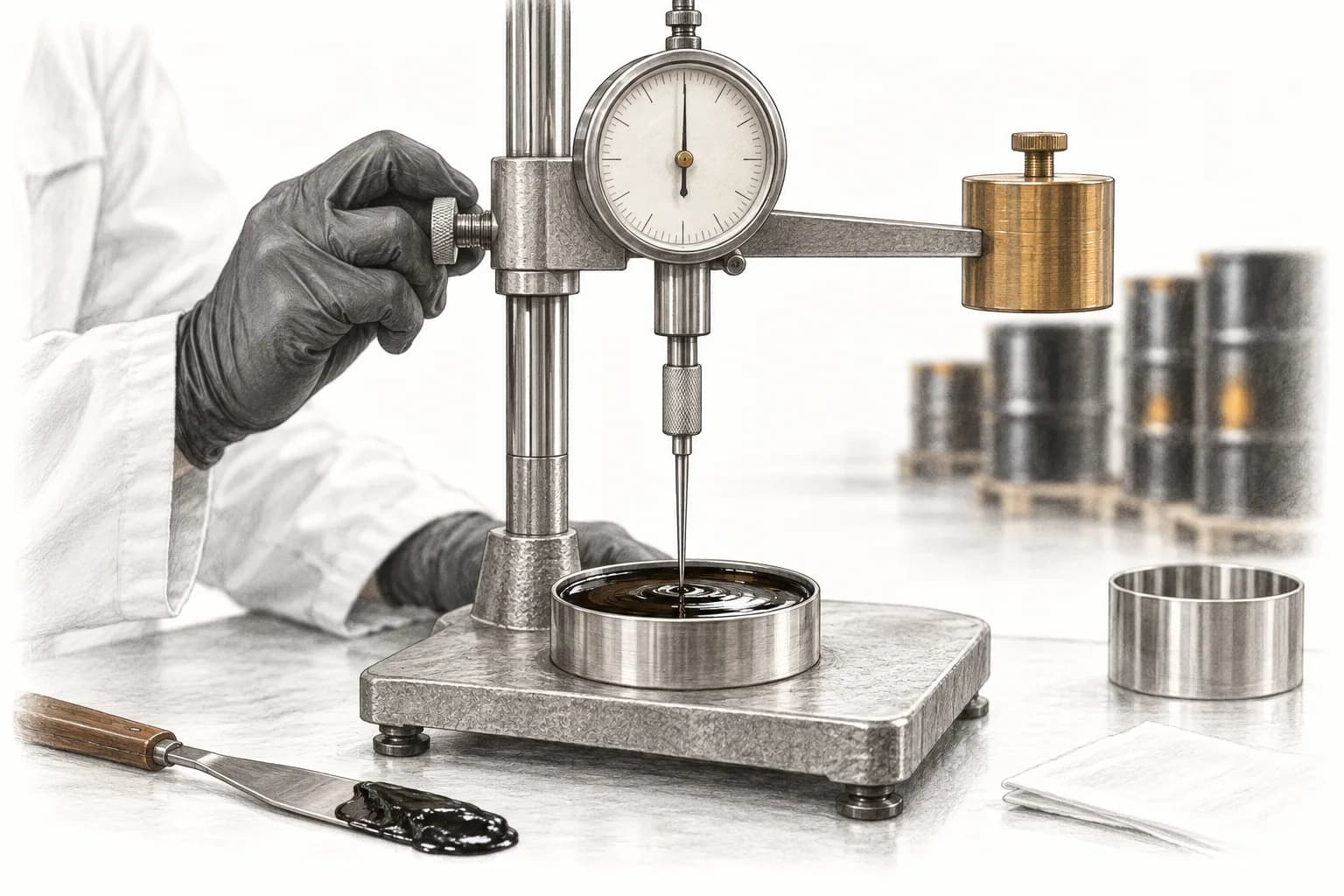
Bitumen Class 450 is supplied to AS 2008-2013, with viscosity at 60 °C tested to ASTM D2171 and penetration to ASTM D5.
Share the class, AS 2008 edition and road-authority requirements your project names and our team will confirm the fit and the supply arrangement.
Identity
Standard
AS 2008-2013
Viscosity at 60 °C
Report
Penetration
Report
Australian Standard bitumen · AS 2008-2013Why Bitumen Class 450
AS 2008 classes and multigradeClass 50 to 600 viscosity binders and M500 and M600 Multigrade, quoted to the AS 2008 edition in your project documents.
Every batch testedEach batch is tested for viscosity at 60°C against the specified AS 2008 class, with results reported on its Certificate of Analysis.
Full shipping documentationA Certificate of Analysis travels with every shipment. Certificate of Origin and MSDS are arranged on request.
UAE load portsLoading from UAE ports with FOB as standard; CFR and CIF destination-port offers are quoted on request.
Packed for your siteNew steel drums for containerised supply, jumbo bags for compatible grades, or heated bulk by vessel and tanker.
Trade risk handledThe Nuroil team manages transport, insurance, logistics and foreign-currency payments, and can discuss financing options with overseas buyers.
What Nuroil does on every order
Why source Bitumen Class 450 from Nuroil?
Tested against your class
Viscosity at 60 °C on every batch, against the specified AS 2008 class, reported on the Certificate of Analysis.
Class or multigrade, as specified
Share the AS 2008 edition and road-authority requirements; standard classes and Multigrade are not interchangeable.
Drum to bulk
New steel drums, jumbo bags, tanker vessel or tank container, matched to your receiving facilities.
FOB, CFR or CIF
FOB from UAE ports; CFR and CIF destination-port offers on request.
02 TECHNICAL DATA
Catalogue specification.
Viscosity at 60 °C
ReportASTM D2171
Viscosity at 135 °C
0.7 Pa.s maxASTM D2170
Penetration at 25 °C, 100 g, 5 s
ReportASTM D5
Flash point
250 °C minASTM D92
Matter insoluble in toluene
1.0% wt maxASTM D4072
Rolling thin-film oven test (RTFOT)
Residue conditioningASTM D1754
Viscosity of residue at 60 °C, after RTFOT
300% of original maxASTM D2171
Penetration of residue at 25 °C, after RTFOT
26 (0.1 mm) minASTM D5
Viscosity of residue at 60 °C, after RTFOT (range)
750–1150 Pa.sASTM D2171
Bitumen Class 450 beside the grades nearest to it. Higher class numbers mean higher viscosity at 60 °C; multigrade specifications are not published online, so confirm them with the offer.
Property
Class 320
Class 450This page
Class 600
Multigrade 500
Type
AS 2008 class
AS 2008 class
AS 2008 class
AS 2008 multigrade
Viscosity at 60 °C
260–380 Pa.s
Report
500–700 Pa.s
Not published online
Viscosity at 135 °C
0.4–0.65 Pa.s
0.7 Pa.s max
0.60–0.85 Pa.s
Not published online
Penetration at 25 °C
40 (0.1 mm) min
Report
20 (0.1 mm) min
Not published online
Flash point
250 °C min
250 °C min
250 °C min
Not published online
Typical use
Highways and heavy-load areas in warm climates
Highways, freeways and industrial roads
Freeways and roads in hot climates
Highways, industrial pavements and airports
03 APPLICATIONS
Where it is used.
01
Highways and freeways
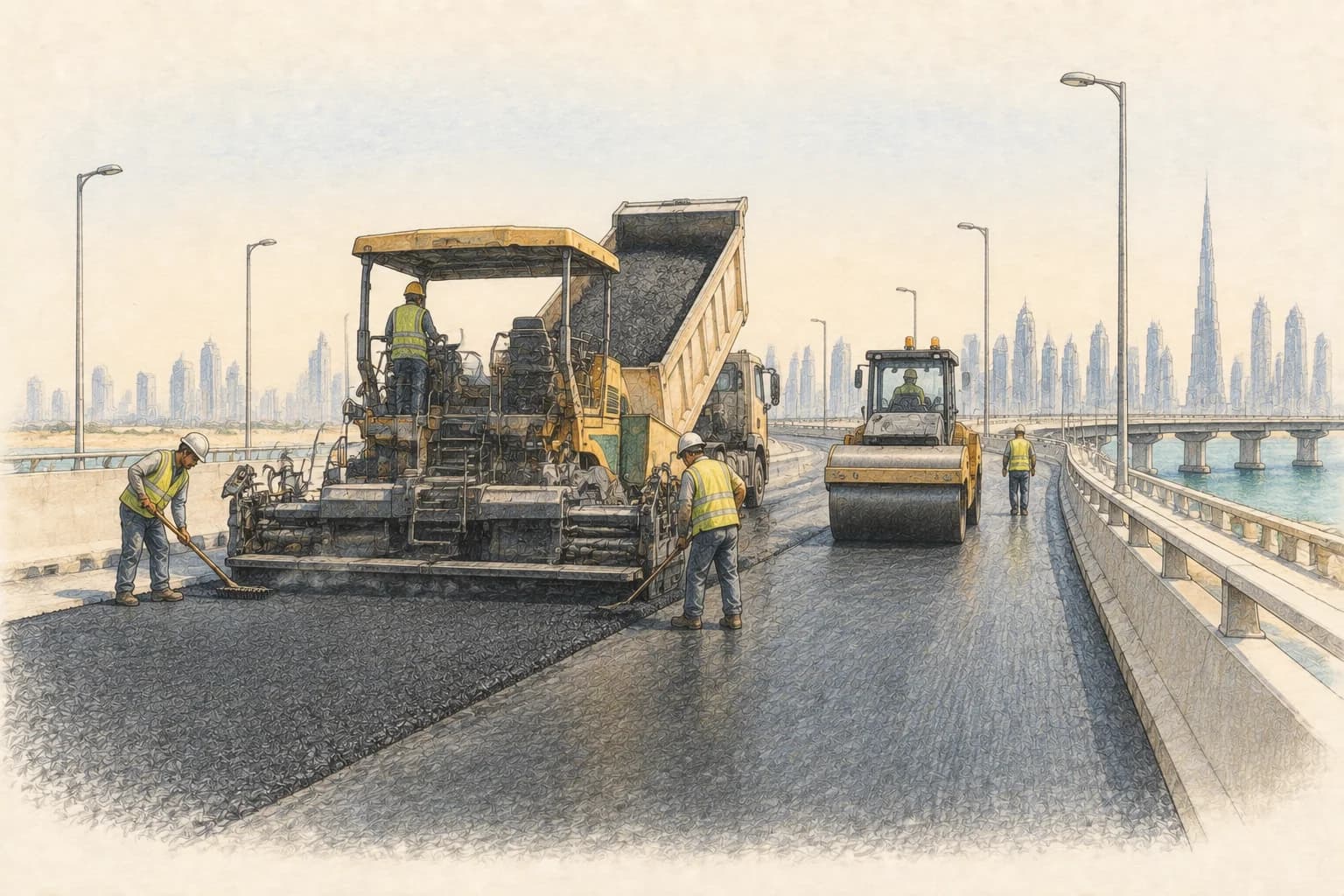
Used in the construction of high-traffic highways, freeways, and arterial roads, where the pavement must endure constant stress from heavy vehicles, providing excellent resistance to rutting and surface deformation.
02
Industrial roads
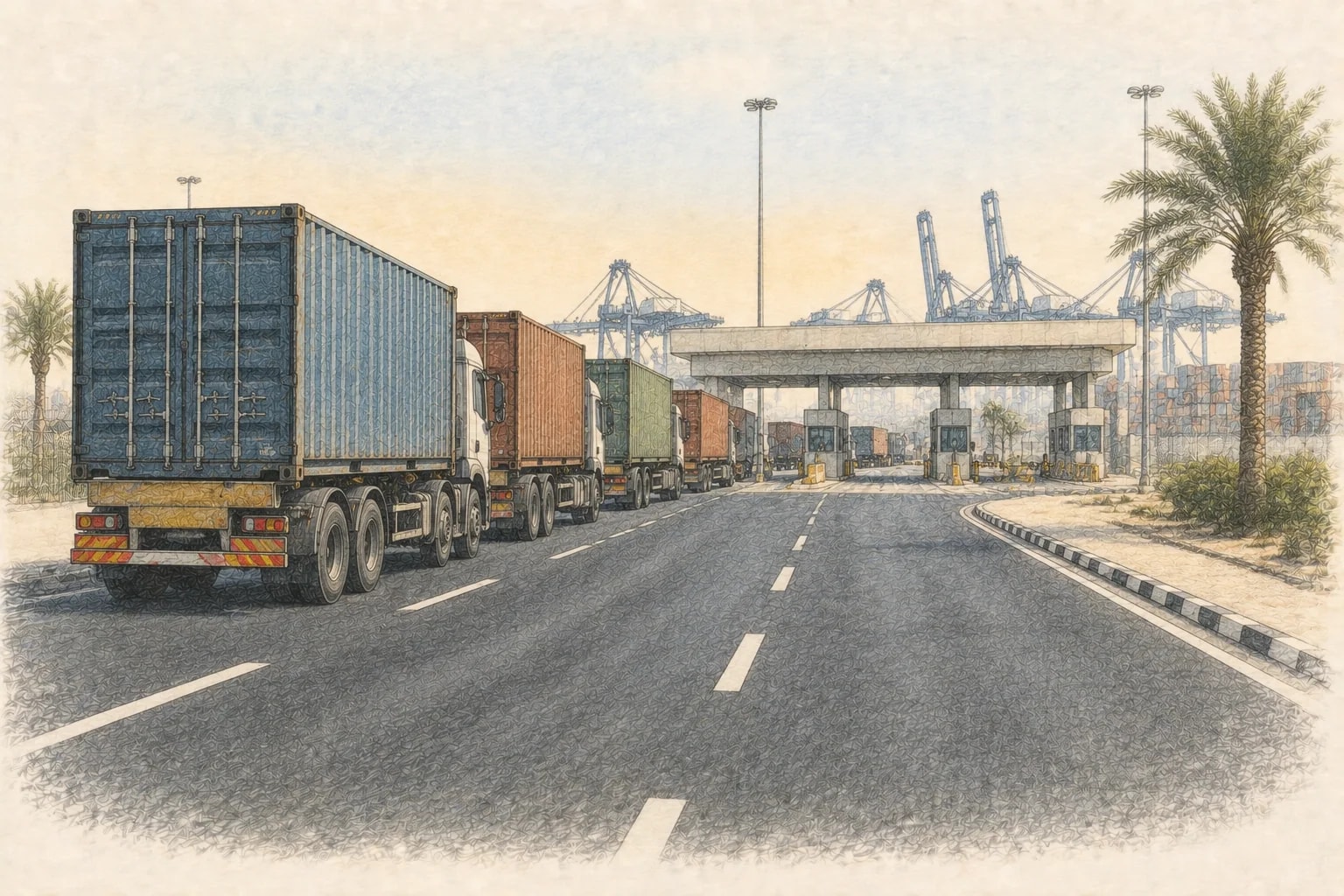
Ideal for industrial areas, ports, and warehousing zones, where roads need to handle the continuous movement of heavy trucks and industrial machinery. The stiffness of Class 450 bitumen ensures it withstands these heavy loads without deforming.
03
Warm climate regions
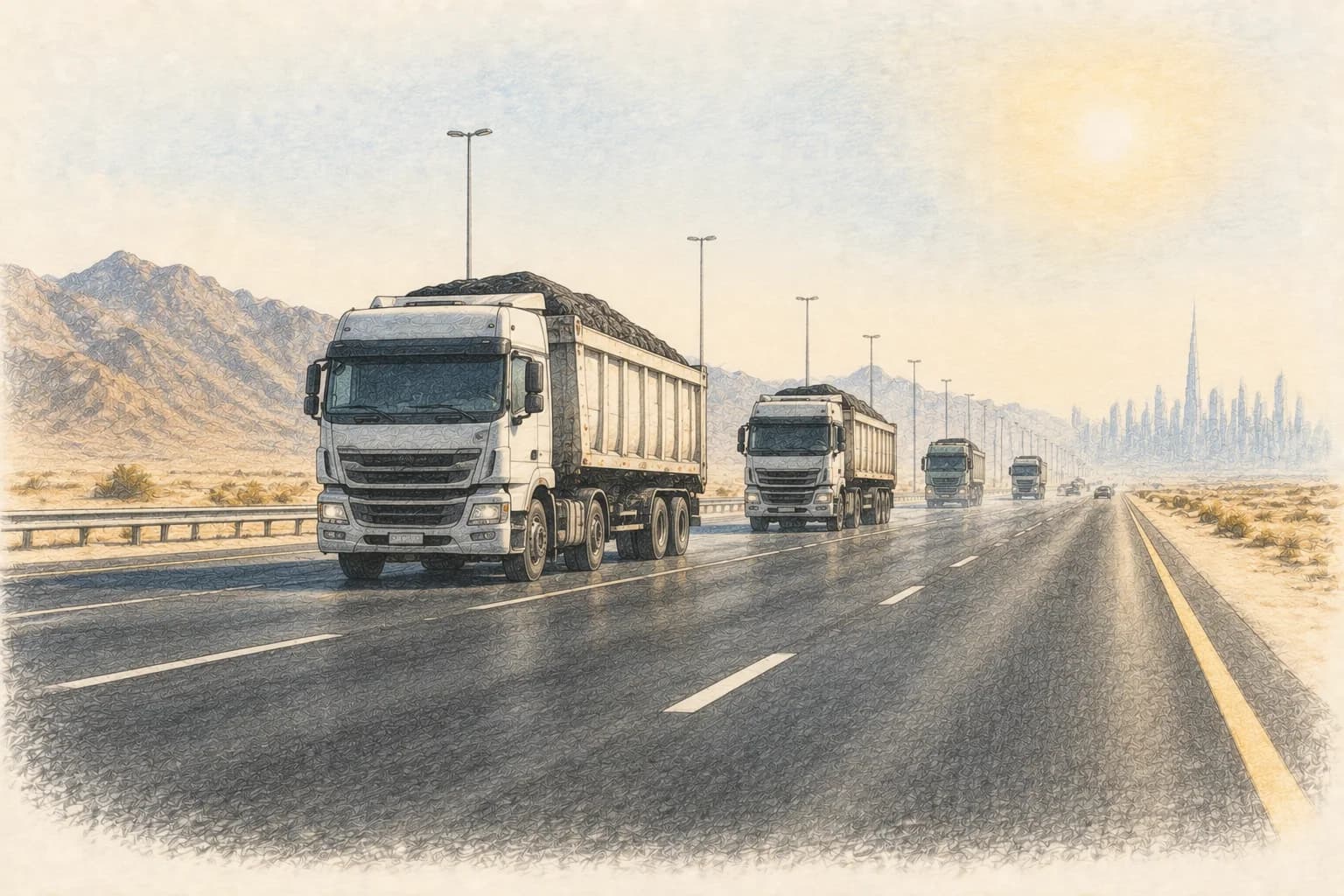
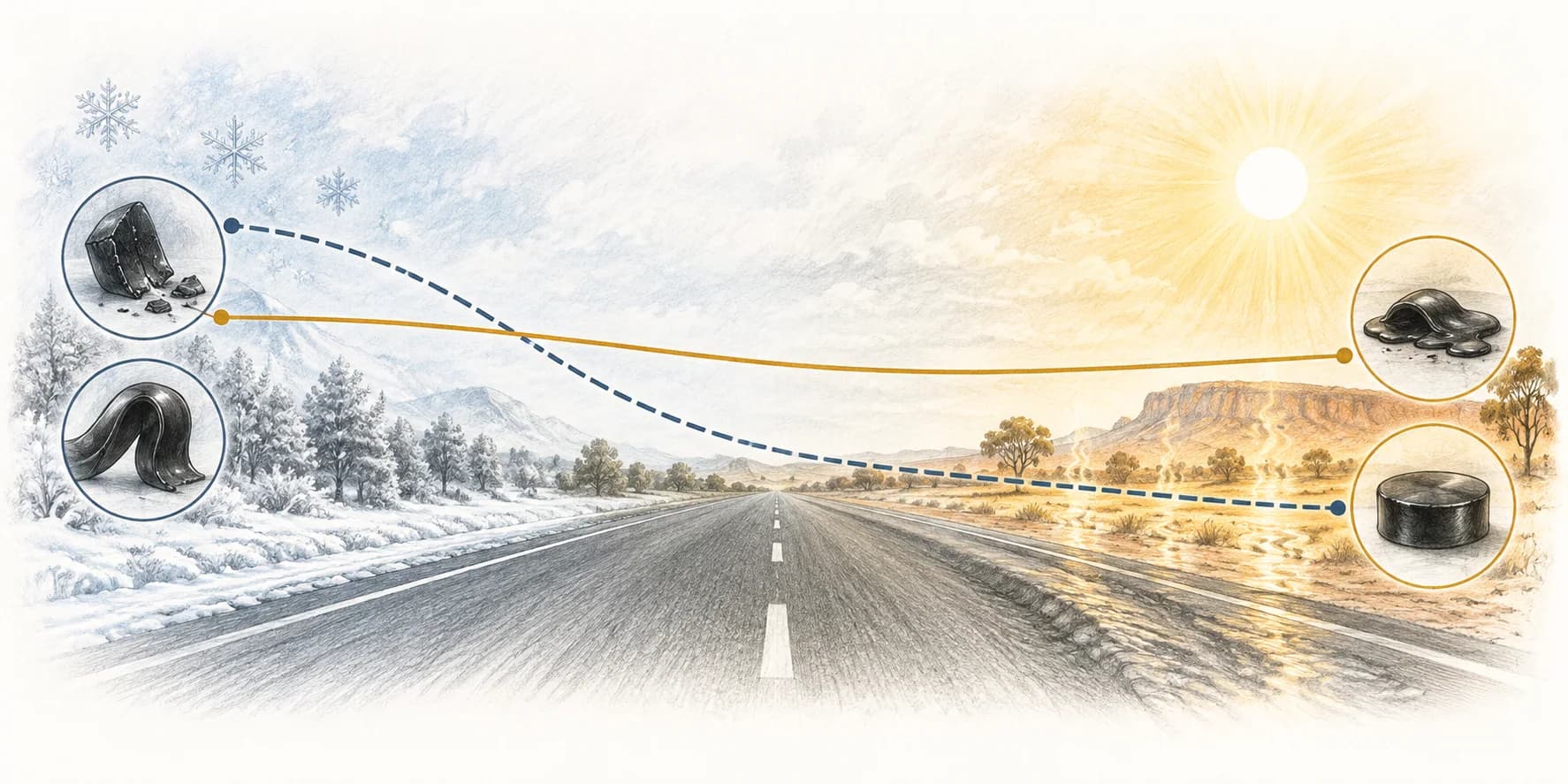
Applied in hot climate areas where temperatures frequently rise, as Class 450 bitumen maintains its stability and resists softening, preventing pavement deformation even under extreme heat.
04
Airport runways and taxiways
Widely used in airports, especially for runways, taxiways, and aircraft parking aprons, which experience heavy loads and stresses from aircraft operations. Its high viscosity ensures the pavement remains stable under these intense conditions.
05
Heavy-duty pavements
Applied in truck stops, bus depots, freight terminals, and parking lots for heavy vehicles, where the constant braking, accelerating, and turning can create significant stress on the pavement. Class 450 resists cracking and rutting in these environments.
06
High-stress road areas
Suitable for areas with concentrated traffic stress, such as roundabouts, intersections, and steep gradients, where constant stopping and turning can lead to surface damage. Class 450 bitumen provides the strength needed to maintain road integrity.
04 SAFETY & HANDLING
Not classified cold. Handled hot, with care.
Australian Standard bitumen is not classified as hazardous under GHS according to its Safety Data Sheet. It is stored, pumped and loaded hot, and the SDS for the offered grade decides; review it before first handling.
Not classified
GHS Not classified according to the SDS. Check the SDS for the offered grade.
Hot product Handled hot: contact causes severe burns, and hydrogen sulphide can collect in tank headspace. Per SDS.
UN
UN 3257 when shipped hot, per SDS
Transport
Elevated temperature liquid, Class 9, when hot · per SDS
01
Hot product burns
Contact with hot bitumen causes severe burns. Wear heat-resistant gloves, face protection and covering clothing when handling it hot.
02
Hydrogen sulphide in the headspace
H₂S can collect in the headspace of heated tanks and tankers. Ventilate and test the atmosphere before opening or entry, per SDS.
03
Avoid overheating
Prolonged excessive heat accelerates ageing before application. Use the storage and application range appropriate to the class.
04
Follow the SDS
Classification, first aid and fire-fighting measures are on the Safety Data Sheet for the offered grade.
Plan heating and handling.
Before it arrivesHeating and receiving confirmed
Confirm heating, storage and handling requirements for your class and packing format before shipment arrives. Bulk supply requires suitable heated tanks, pumps and transfer equipment.
Class temperatureUse the storage and application range appropriate to the selected class.
Confirm product typeStandard AS 2008 classes and Multigrade are not interchangeable.
Avoid overheatingProlonged excessive heat accelerates ageing before application.
Receiving facilitiesBulk supply requires suitable heated tanks, pumps and transfer equipment.
Standards and test methods.
HS code2713.20
Transport, coldSolid state
Transport, hotUN 3257
AS 2008-2013
Australian standard for residual pavement bitumen, the edition this grade’s page cites
ASTM D2171 / ASTM D2170
Viscosity at 60 °C and at 135 °C
ASTM D5 / ASTM D92 / ASTM D4072
Penetration, flash point and matter insoluble in toluene
ASTM D1754
Thin-film oven residue
State and territory road specifications
May add local requirements to AS 2008; confirm the exact standard, class and edition before ordering
05 PACKING OPTIONS
Drums or jumbo bags.
Packing availability is confirmed for Bitumen Class 450 and the offered source. Container loads in the planner are typical planning figures; the offer confirms them.
Small quantities
Drums
New steel drums of 200, 180 or 156 kg, or customised, palletised for containerised supply.
Typical loads used for planning. Your offer confirms the exact packing and load for the product and source.
720 ft containers
drums
556
Last 20 ft container
94% full
Minimum orderBy grade and packingShare your requirement; feasibility is confirmed with the quote
BulkTanker vessel or tank containerPer vessel hold capacity, confirmed at booking
DocumentsCoA with every batchSDS and Certificate of Origin on request
06 BEFORE YOU ORDER
Frequently asked questions.
01What does “Class 450” mean under AS 2008?
It identifies the class by its nominal viscosity at 60°C in Pa·s. Bitumen Class 450 should always be specified directly as its AS 2008 class rather than converted from another system.
02Is an AS 2008 class the same as an international grade?
It may be broadly comparable, but AS 2008 has its own boundaries and test methods. Do not assume direct interchangeability.
03What documents come with each shipment?
Every shipment includes a Certificate of Analysis. Certificate of Origin, MSDS and third-party inspection are available on request.
04What packing formats are available?
Drums, jumbo bags and bulk supply are available depending on grade, quantity and destination facilities.
05What Incoterms do you offer?
FOB is commonly quoted from UAE ports; CFR and CIF destination-port offers are available.
06How is Australian Standard bitumen tested?
Each batch is tested for viscosity at 60°C against the specified AS 2008 class, with results reported on its Certificate of Analysis.
Include the class or Multigrade grade, quantity, destination, specification and packing preference. Our team will revert with a tailored offer. We reply with a firm FOB, CFR or CIF offer, usually within 24 hours.