Linear alkylbenzene sulphonic acid, 96% min active: neutralised with caustic soda or soda ash, it is the main cleaning surfactant in washing powders and detergents.
LABSA, linear alkylbenzene sulphonic acid, is a brown, viscous liquid made by sulphonating linear alkylbenzene. Neutralised with caustic soda or soda ash it becomes sodium LAS, the most widely used cleaning surfactant in laundry powders, liquid detergents and dishwashing products.
Its straight alkyl chain is readily biodegradable, which is why it replaced the branched alkylbenzene sulphonates once used in detergents. Commercial grades are 96% min active, the balance mostly free oil, sulphuric acid and water.
Identity
Formula
C₁₂H₂₅C₆H₄SO₃H
Molar mass
About 320 g/mol
CAS
27176-87-0
Linear alkylbenzene sulphonic acidWhy LABSA
High active content96% min active, so little water and free oil is shipped with the surfactant.
Low cost per unit of cleaningThe lowest-cost anionic surfactant for detergent powders and liquids.
Colour to your productLighter-colour grades for clear liquids; standard grades for powders.
Documented qualityEach offered batch comes with its Certificate of Analysis and safety data sheet.
What Nuroil does on every order
Why choose LABSA from Nuroil?
Checked against the batch CoA
Active matter, free oil, free sulphuric acid and colour are reviewed before loading.
Dangerous-goods paperwork handled
Shipped as class 8 corrosive, UN 2586, with the correct labels and declarations.
Acid-resistant packing
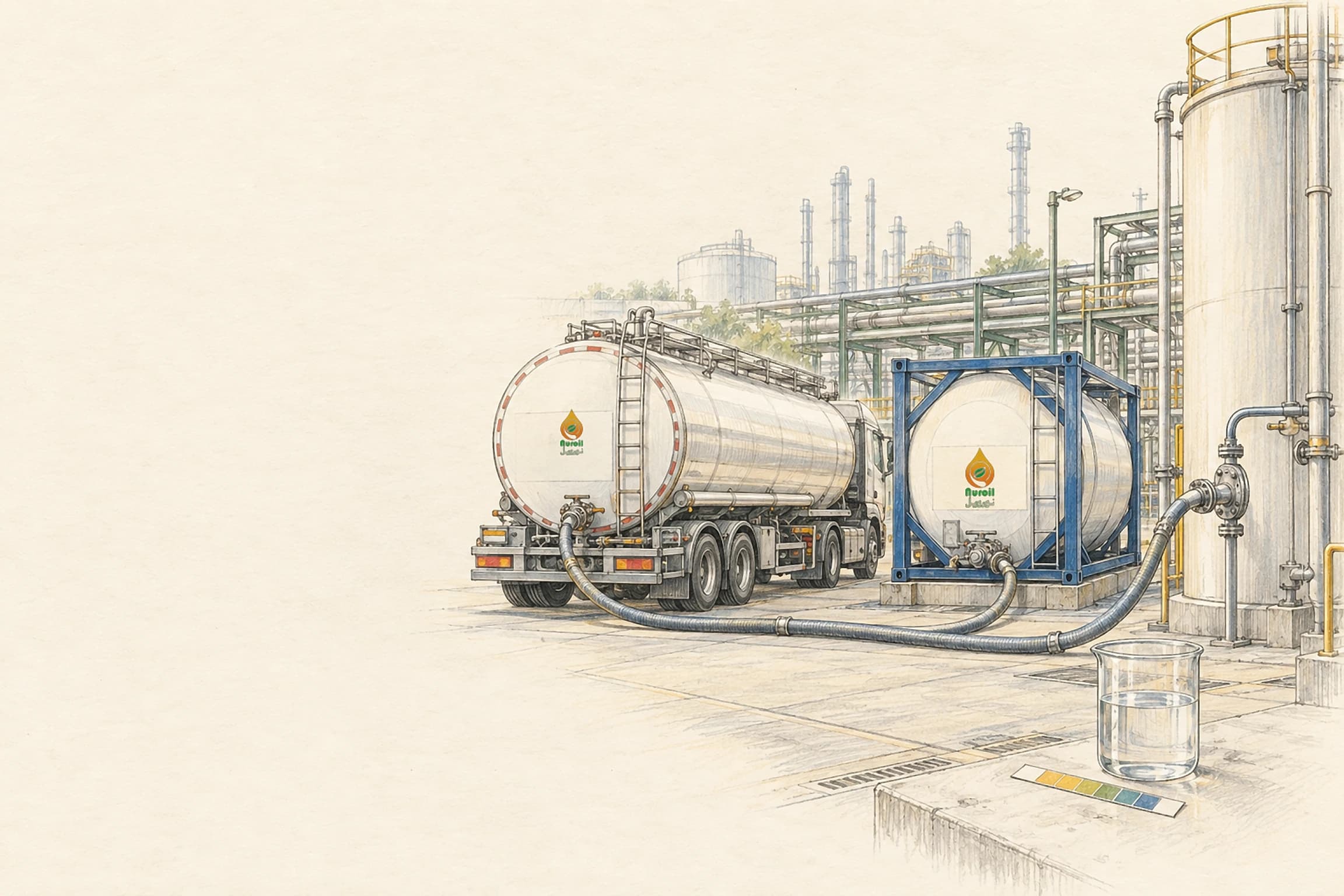
HDPE drums, IBCs or lined ISO tanks suited to a sulphonic acid.
One desk, firm offers
FOB, CFR or CIF from our Sharjah trade desk, usually within 24 hours.
02 TECHNICAL DATA
Technical specification.
Active matter (as LAS acid)
96% minTwo-phase titration (ISO 2271)
Free oil (unsulphonated matter)
1.5–2.0% maxSolvent extraction
Free sulphuric acid
1.5% maxTitration
Water
About 1% maxKarl Fischer
Colour (5% solution)
20–60 Klett max, by producer gradeKlett colorimeter
Density at 20 °C
About 1.06 g/cm³Hydrometer
Appearance
Brown, viscous liquidVisual
Alkyl chain
C10–C13, linearProducer data
01LABSA 96% STANDARD
Powders and general detergents
The common grade for washing powders, pastes, bars and cleaners where colour is not critical.
02LABSA 96% LIGHT COLOUR
Clear liquids
A lower Klett colour for clear dishwashing liquids and liquid detergents.
Selection guidance Tell us the product you make, how you neutralise and any colour limit, and we will confirm the grade.
The two workhorse anionic surfactants, often used together.
Property
LABSAThis page
SLES
Supplied as
Acid, 96% active
Neutral salt, 70% or 28%
Neutralising needed
Yes, with caustic soda or soda ash
No
Cleaning and degreasing
Strong
Good
Mildness on skin
Harsher
Milder
Best suited to
Laundry powders, liquids, dishwash, cleaners
Shampoo, body wash, hand soap, dishwash
03 HOW IT IS MADE
From alkylbenzene to sulphonic acid.
Linear alkylbenzene, made from normal paraffins and benzene, is sulphonated with sulphur trioxide, from burnt sulphur, in a falling-film reactor. The acid is aged and hydrated to complete the reaction, then tested and packed.
01
Linear alkylbenzene
LAB from C10–13 normal paraffins and benzene.
02
Sulphonation
LAB reacts with sulphur trioxide in a falling-film reactor.
03
Ageing and hydration
The acid is aged and a little water added to complete the reaction.
04
Testing and packing
Each batch is tested for active matter, free oil and free acid, then packed.
04 APPLICATIONS
Where it cleans.
01
Washing powders
Neutralised in the slurry as the main surfactant of laundry powders.
02
Liquid detergents
Neutralised to sodium LAS for liquid laundry products.
03
Dishwashing liquids
The cleaning surfactant, often blended with SLES for foam.
04
Household cleaners
Surface, floor and toilet cleaners.
05
Detergent bars and pastes
Laundry bars and detergent pastes.
06
Industrial uses
Emulsifiers, including calcium salts for agrochemical formulations.
05 SAFETY & HANDLING
A strong acid. Wear full protection.
This summary does not replace the Safety Data Sheet. Review the SDS and site procedure before first handling.
Danger
H302 Harmful if swallowed.
H314 Causes severe skin burns and eye damage.
H412 Harmful to aquatic life with long lasting effects.
UN
2586
Class
8, corrosive · PG III
01
Corrosive
LABSA causes severe skin burns and eye damage; wear chemical goggles or a face shield, gloves and protective clothing.
02
Neutralise with care
Neutralising with caustic soda or soda ash gives off heat, and soda ash releases carbon dioxide; add slowly with stirring.
03
Harmful if swallowed
Do not eat, drink or smoke where it is handled.
04
Keep spills out of drains
Contain spills with an inert absorbent and neutralise before disposal.
05
Exposure response
Rinse skin or eyes immediately with plenty of water for at least 15 minutes and seek medical attention.
Sealed, in acid- resistant tanks.
StoreSealed, acid-proof
LABSA slowly darkens with time and heat, and it takes up moisture from the air. Kept sealed in stainless steel or HDPE it stays in specification; confirm the producer’s shelf life with the offer.
Keep containers closedReseal at once: moisture and air darken the acid.
Acid-resistant storageStainless steel, HDPE or lined tanks; it corrodes carbon steel and aluminium.
Apart from alkalis and oxidisersAway from caustic soda, hypochlorite and strong oxidisers except under controlled neutralisation.
Moderate temperatureShaded and ventilated; it thickens in the cold and darkens in the heat.
Plan documentation early.
HS code3402.31
CAS number27176-87-0
EC number248-289-4
UN numberUN 2586
GHS
Acute toxicity (oral); skin corrosion and serious eye damage; harmful to aquatic life; confirm per SDS
Transport
UN 2586, alkylsulphonic acids, liquid, class 8, PG III
Biodegradability
Linear alkylbenzene sulphonate is readily biodegradable
National regulations
Confirm the destination’s import and dangerous-goods requirements
06 PACKING OPTIONS
Choose your packing.
Pack sizes and container loads depend on the producer; the offer confirms them. As class 8 dangerous goods, LABSA is not shipped in flexitanks.
Small quantities
HDPE drums
Sealed drums of about 210–220 kg, the usual export packing.
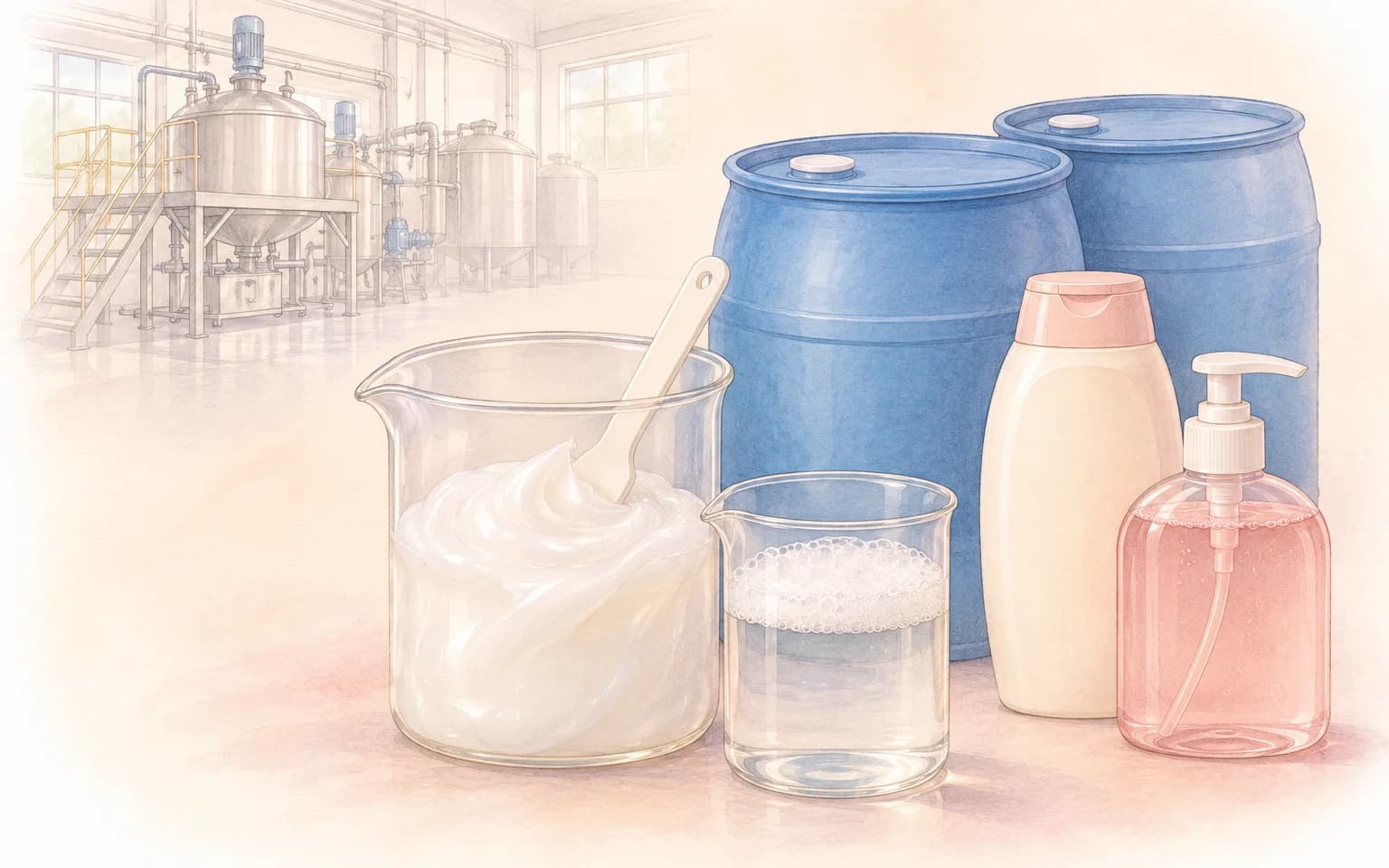
It is neutralised to sodium LAS, the main cleaning surfactant in washing powders, liquid detergents, dishwashing liquids and household cleaners.
02How much caustic soda neutralises LABSA?
By stoichiometry about 0.12–0.13 t of sodium hydroxide (100% basis) per tonne of 96% LABSA, a little more for the free sulphuric acid. Confirm by titration on your batch.
03LABSA or SLES?
LABSA cleans and degreases strongly at low cost but must be neutralised; SLES is supplied neutral, foams well and is milder on skin. Many dishwashing liquids use both.
04Is it dangerous goods?
Yes. LABSA ships as UN 2586, alkylsulphonic acids, liquid, class 8, packing group III. We prepare the dangerous-goods documents with the shipment.
05What is the HS code?
Linear alkylbenzene sulphonic acids and their salts are classified under HS 3402.31. The common CAS numbers are 27176-87-0 and 85536-14-7.
06Why does LABSA darken?
Heat, air and moisture slowly darken it. Store it sealed in a shaded place and use the oldest stock first.
07What documents come with a shipment?
A Certificate of Analysis and Safety Data Sheet, with the Certificate of Origin and dangerous-goods declaration as required.
Include the grade, any colour limit, quantity and destination for a tailored offer. We reply with a firm FOB, CFR or CIF offer, usually within 24 hours.