The most widely bunkered intermediate fuel oil, at 380 cSt viscosity at 50°C. IFO 380 is supplied to the ISO 8217 RMG 380 category for deep-sea vessels with heated fuel systems, purification and filtration.
A trade name for blends of residual fuel and gas oil, sold by viscosity: IFO 180 and IFO 380 correspond to the RMG 180 and RMG 380 categories.
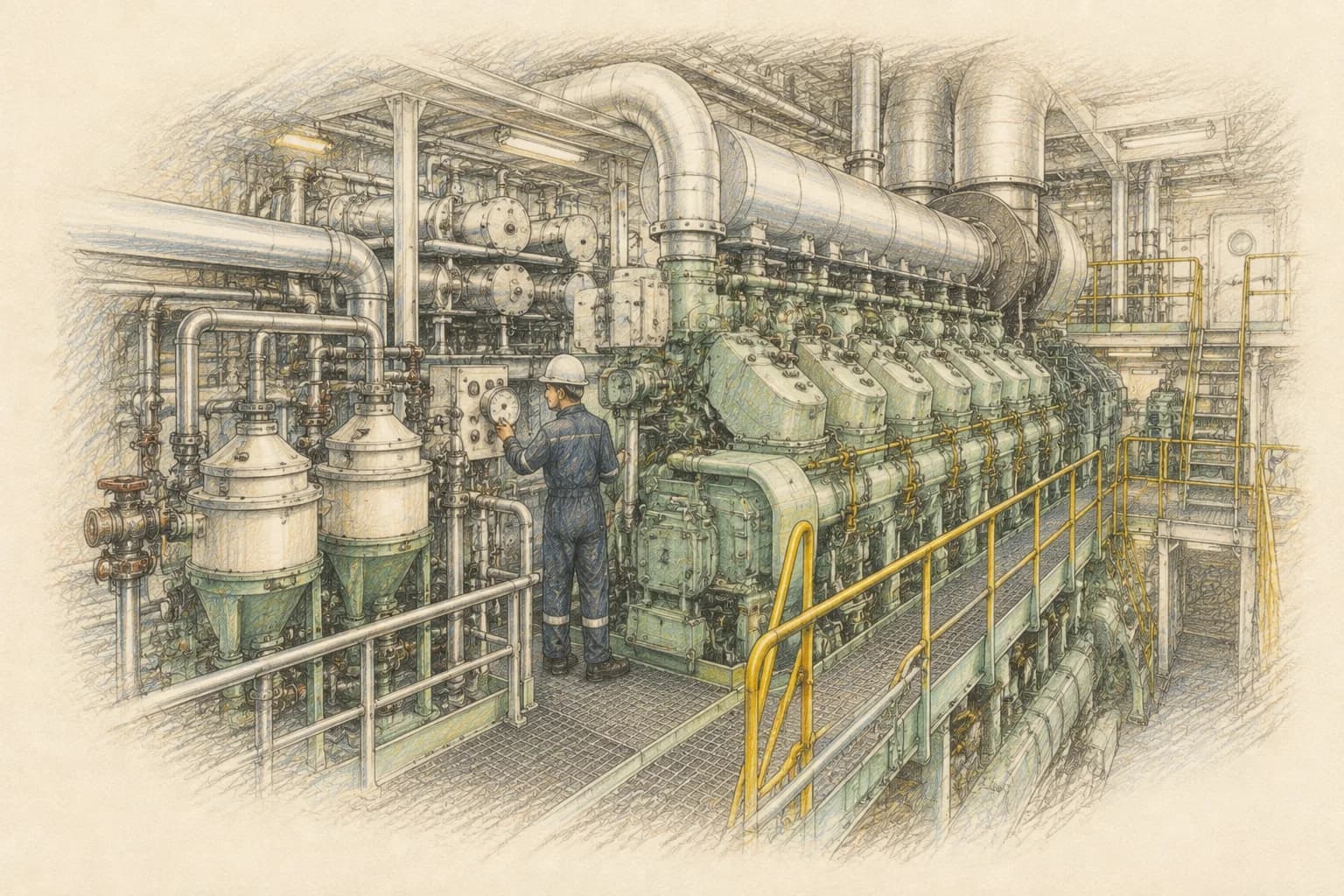
Slow and medium-speed engines with fuel heatingIntermediate blends for engines with heating and treatment.
Supplied to your ISO 8217 specificationTell us the grade, sulphur limit and engine requirement. We quote against that specification, not a generic product.
Every batch verifiedEach delivery is tested against the agreed grade and reported on a Certificate of Analysis. Independent inspection can be arranged.
Bunker-ready supplyRoad tanker, barge and ship-to-ship delivery from Gulf ports, arranged around the vessel’s schedule.
What Nuroil does on every order
Why source IFO 380 from Nuroil?
Every batch, verified
Certificate of Analysis with every shipment, confirming viscosity, sulphur, density and flash point against the grade ordered.
Supplied to your specification
Agree the grade, standard edition and required parameters before confirming your order.
Bunker-ready supply
Vessel delivery at UAE ports and anchorages, or tanker and drum supply to industrial sites, matched to your schedule.
One desk, firm offers
Share the grade, quantity, delivery method and location. Our team replies with the offer within 24 hours.
02 TECHNICAL DATA
Catalogue specification.
Viscosity at 50°C, max
380 mm²/s (cSt)ASTM D445 / ISO 3104
Density at 15°C, max
991 kg/m³ASTM D1298 / ISO 3675
CCAI, max
870Calculated
Sulphur
Statutory requirementsASTM D4294 / ISO 8754
Flash point, min
60 °CASTM D93 / ISO 2719
Hydrogen sulphide, max
2.0 mg/kgIP 570
Acid number, max
2.5 mg KOH/gASTM D664
Total sediment aged, max
0.10 mass %ISO 10307-2
Carbon residue (micro), max
18.0 mass %ASTM D4530 / ISO 10370
Show all 17 propertiesShow fewer
Pour point (winter), max
30 °CASTM D97 / ISO 3016
Pour point (summer), max
30 °CASTM D97 / ISO 3016
Water, max
0.5 volume %ASTM D95 / ISO 3733
Ash, max
0.10 mass %ASTM D482 / ISO 6245
Vanadium, max
350 mg/kgISO 14597
Sodium, max
100 mg/kgIP 501 / IP 470
Aluminium + silicon, max
60 mg/kgISO 10478
Used lubricating oil (ULO)
Free of ULOIP 501 / IP 470
The two intermediate grades beside the heavier marine distillates. Residual viscosity is measured at 50°C, distillate viscosity at 40°C.
Property
IFO 180
IFO 380This page
DMB
DMA
Viscosity
max. 180 cSt at 50°C
max. 380 cSt at 50°C
2.0 – 11.0 cSt at 40°C
2.0 – 6.0 cSt at 40°C
Density at 15°C, max
991 kg/m³
991 kg/m³
900 kg/m³
890 kg/m³
Sulphur, max
Statutory requirements
Statutory requirements
2.0 mass %
1.5 mass %
Flash point, min
60 °C
60 °C
60 °C
60 °C
Pour point (summer), max
30 °C
30 °C
6 °C
0 °C
Water, max
0.5 volume %
0.5 volume %
0.3 volume %
—
Ash, max
0.10 mass %
0.10 mass %
0.010 mass %
0.010 mass %
Typical use
Intermediate fuel oil · RMG 180
Intermediate fuel oil · RMG 380
Marine diesel oil
Marine gas oil
03 HOW IT IS MADE
From refining to the bunker tank.
Marine fuel is a product of petroleum refining, prepared to a specification before delivery.
01
Distillation
Crude oil is distilled. Lighter fractions become distillate marine fuels; the heavy residue is the base of residual fuels.
02
Blending
Residual fuel is blended with gas oil to a target viscosity to make intermediate grades such as IFO 180 and IFO 380.
03
Testing
Each batch is tested against the agreed grade, including viscosity, density, flash point and sulphur.
04
Delivery
The fuel is delivered by road tanker, barge or ship-to-ship, with the Certificate of Analysis.
04 APPLICATIONS
Where IFO 380 is used.
01
Deep-sea propulsion
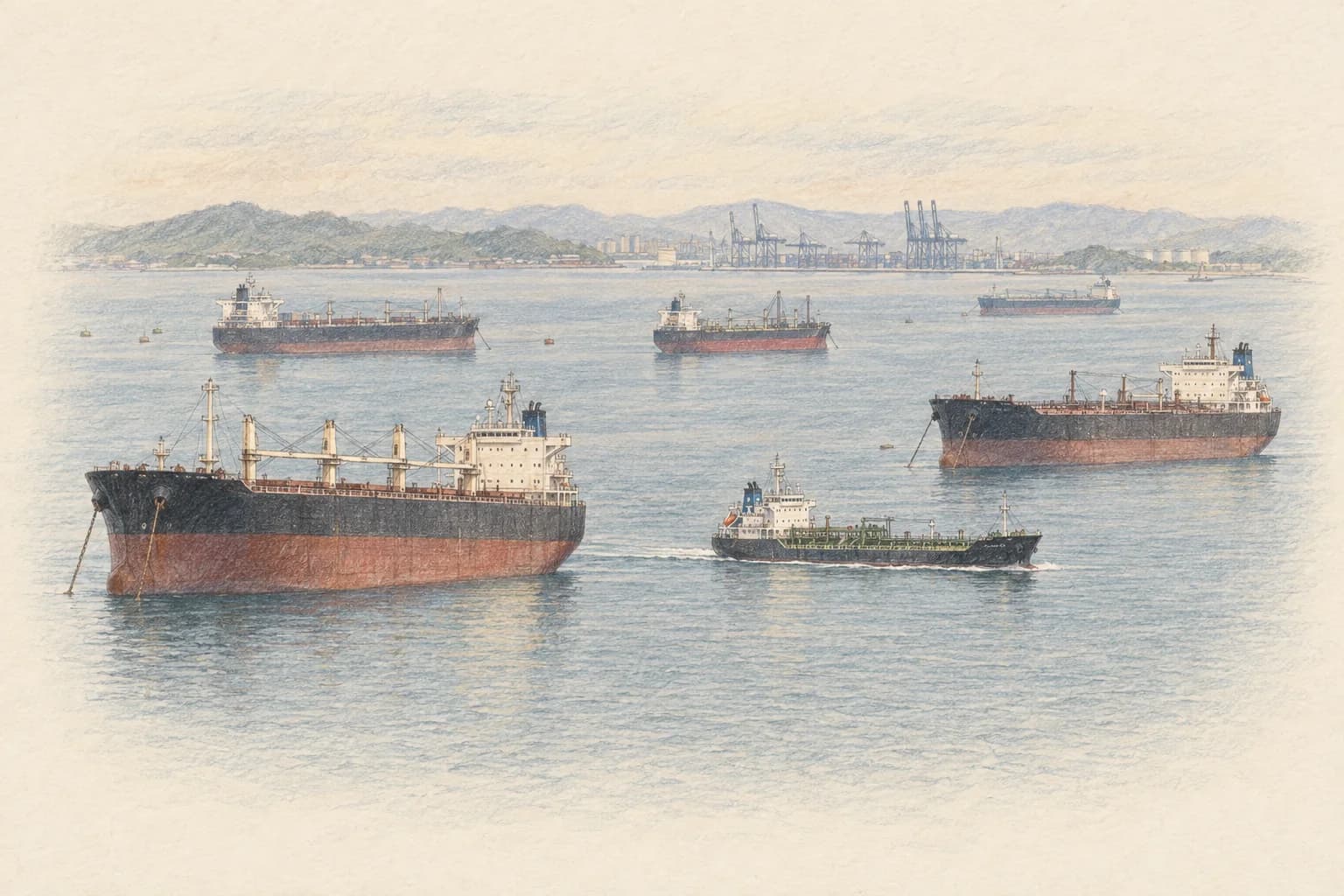
The standard heavy fuel for large slow-speed engines on deep-sea container ships, bulk carriers and tankers.
02
Ship-to-ship bunkering
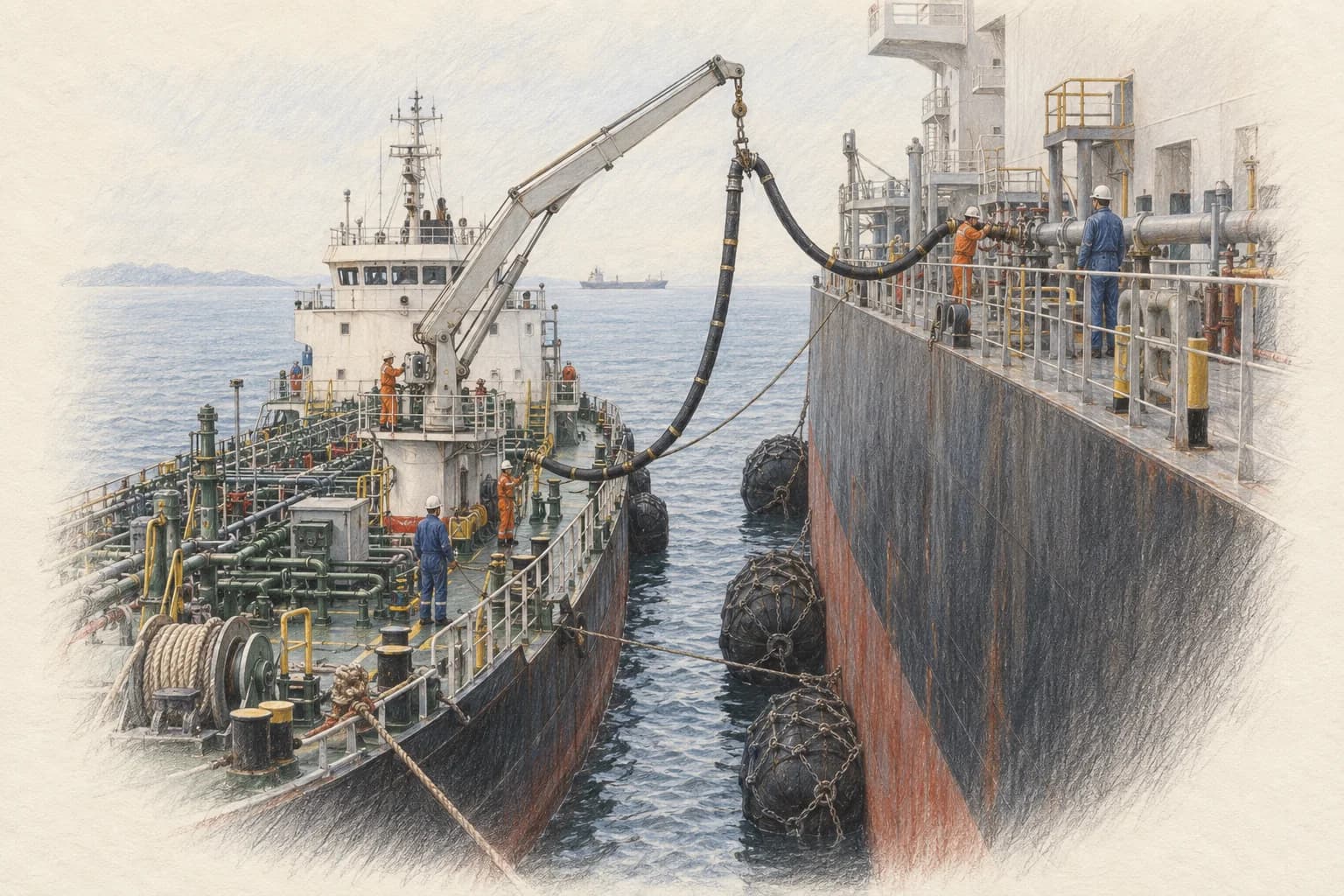
Delivered alongside by bunker tanker or barge. Confirm the sulphur requirement for the voyage.
03
Port and terminal supply
Supplied at the receiving terminal or berth where the port permits.
04
Industrial power plants
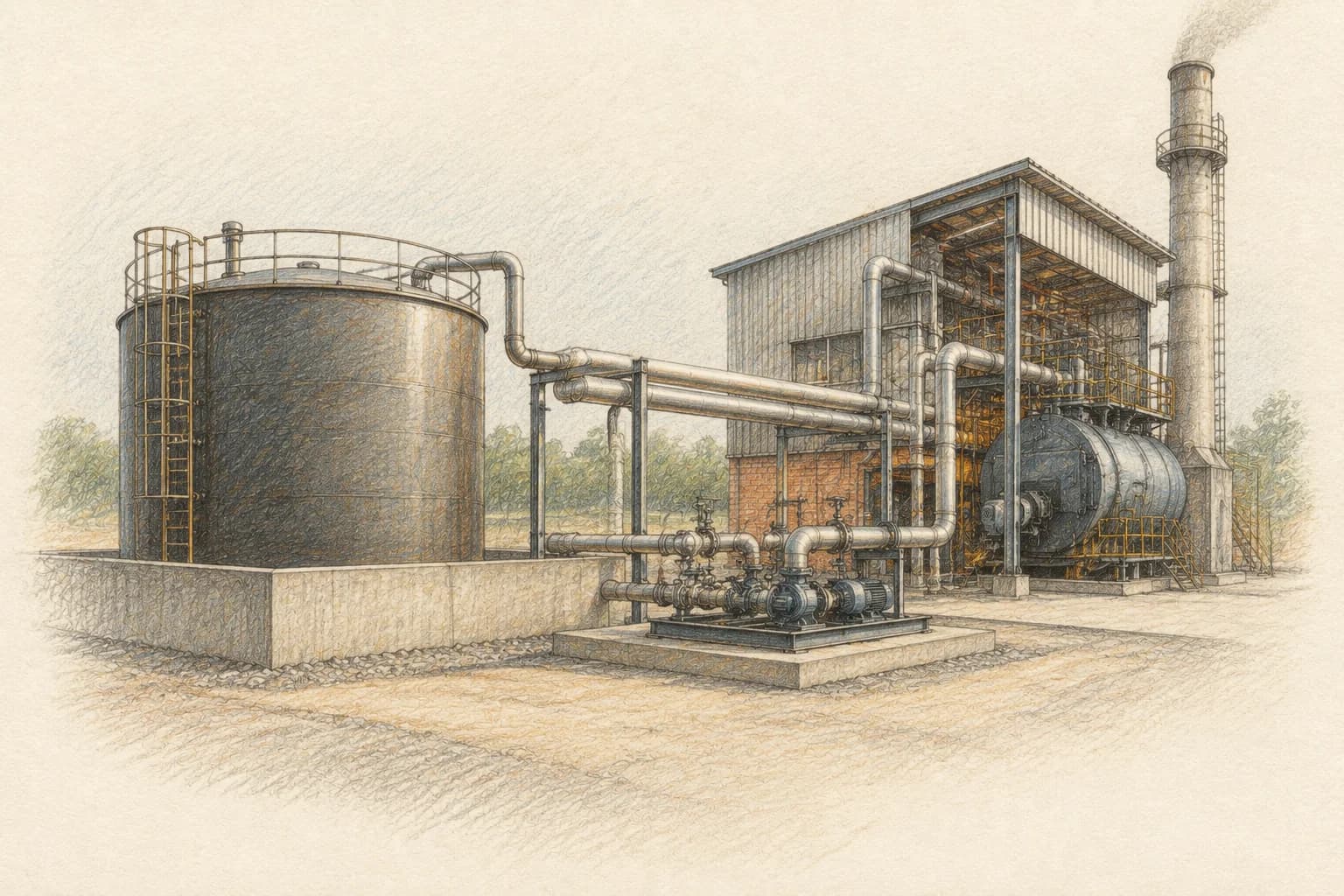
Also used in large engine-based power plants with heating and treatment.
05 SAFETY & HANDLING
Heavy fuel oil. Handle hot, handle by the SDS.
A summary of the statements a typical heavy fuel oil SDS carries. It does not replace the SDS of the offered grade.
Danger
H332 Harmful if inhaled.
H350 May cause cancer.
H361d Suspected of damaging the unborn child.
H373 May cause damage to organs through prolonged or repeated exposure.
H410 Very toxic to aquatic life with long lasting effects.
UN
UN 3082, where applicable · per SDS
Class
9, environmentally hazardous · per SDS
01
Health
Harmful if inhaled; may cause cancer; suspected of damaging the unborn child; may damage organs through prolonged or repeated exposure (typical SDS). Avoid skin contact and breathing fumes.
02
Environment
Very toxic to aquatic life with long lasting effects. Contain spills and keep the fuel out of drains and water.
03
Hot product
The fuel is stored and transferred heated. Hot oil and lines cause burns; heat only to the temperature the system is designed for.
04
Hydrogen sulphide
Hydrogen sulphide can collect in tank headspace. Ventilate and test the atmosphere before entry.
05
Ignition sources
Observe the flash point, keep ignition sources away and follow the SDS for handling.
Plan storage, heating and treatment.
Keep itHeated and treated
Good fuel management protects the engine. Confirm these points with your engine maker.
HeatingResidual and intermediate grades need heated storage and lines to stay pumpable. Check the pour point and viscosity for your climate.
TreatmentPurifiers, centrifuges and filters remove water and solids before the fuel reaches the engine.
CompatibilityDo not mix fuels from different suppliers without a compatibility check; incompatible fuels can form sludge.
SafetyObserve the flash point and hydrogen sulphide limits, ventilate tanks and follow the SDS for handling.
Standards and regulatory reference.
HS code2710.19
UN numberUN 3082
ISO 8217
Specification for marine fuels, category RMG 380. The catalogue values follow the 2010 edition and are archived references.
MARPOL Annex VI
The IMO global sulphur limit is 0.50% by mass, and 0.10% in SOx emission-control areas, unless an approved equivalent compliance method applies.
Bunker Delivery Note
Provided for marine bunkering as required by MARPOL.
Test methods
ASTM and ISO methods are cited beside each property, for example ASTM D445 for viscosity and D93 for flash point.
06 DELIVERY
Delivery format.
Delivery methods depend on the location, quantity and the receiving facilities. Confirm the arrangement for IFO 380.
Large volumes
Road tanker
Delivery by road tanker to the terminal, berth or receiving tank. Share the site and unloading arrangement so the team can confirm.
Typical loads used for planning. Your offer confirms the exact packing and load for the product and source.
4road tankers
road tankers
4
Last road tanker
33% full
Minimum orderBy grade and delivery methodShip to ship, drums or bulk; confirmed with the quote
BunkeringShip to shipAt UAE anchorages, on agreed delivered terms
DocumentsCoA with every deliveryBunker Delivery Note for bunkering; MSDS on request
07 BUYING THIS GRADE
Before you order.
01What is IFO 380 used for?
Confirm the fuel against the engine maker’s requirements and the applicable ISO 8217 edition. Share the vessel, voyage and sulphur requirement and we will confirm the offered product.
02Which ISO 8217 edition do the values follow?
The values shown are archived ISO 8217 (2010) catalogue references. The specification for the actual offered product is agreed in the enquiry.
03What documents come with each delivery?
Every delivery includes a Certificate of Analysis. Certificate of Origin, MSDS and third-party inspection reports are available on request.
04How is the fuel delivered?
Delivery by road tanker, barge, ship-to-ship transfer or shore tank depending on the location and quantity. Share the port or receiving site so the team can confirm.
05What is the minimum order quantity?
MOQ depends on the grade, delivery method and location. Share your requirement and we will confirm feasibility with the quote.
06What is the difference between distillate and residual marine fuel?
Distillates (DM grades) are lighter, cleaner fuels. Residual grades (RM) are the heavier fuels left after refining. Intermediate grades such as IFO 380 blend residual fuel with gas oil to reach a target viscosity.
07Which grade does my engine need?
Follow the engine maker’s fuel requirements. Share the engine and voyage and we will confirm the grade and sulphur limit.
08What does low-sulphur mean for bunker fuel?
A low-sulphur label alone does not establish compliance. The IMO global sulphur limit is 0.50% by mass, and the limit in SOx emission-control areas is 0.10%, unless an approved equivalent compliance method applies. Specify the limit required for your route.
Share the grade, specification, quantity, delivery method and location. Our team replies with the offer within 24 hours. We reply with a firm FOB, CFR or CIF offer, usually within 24 hours.