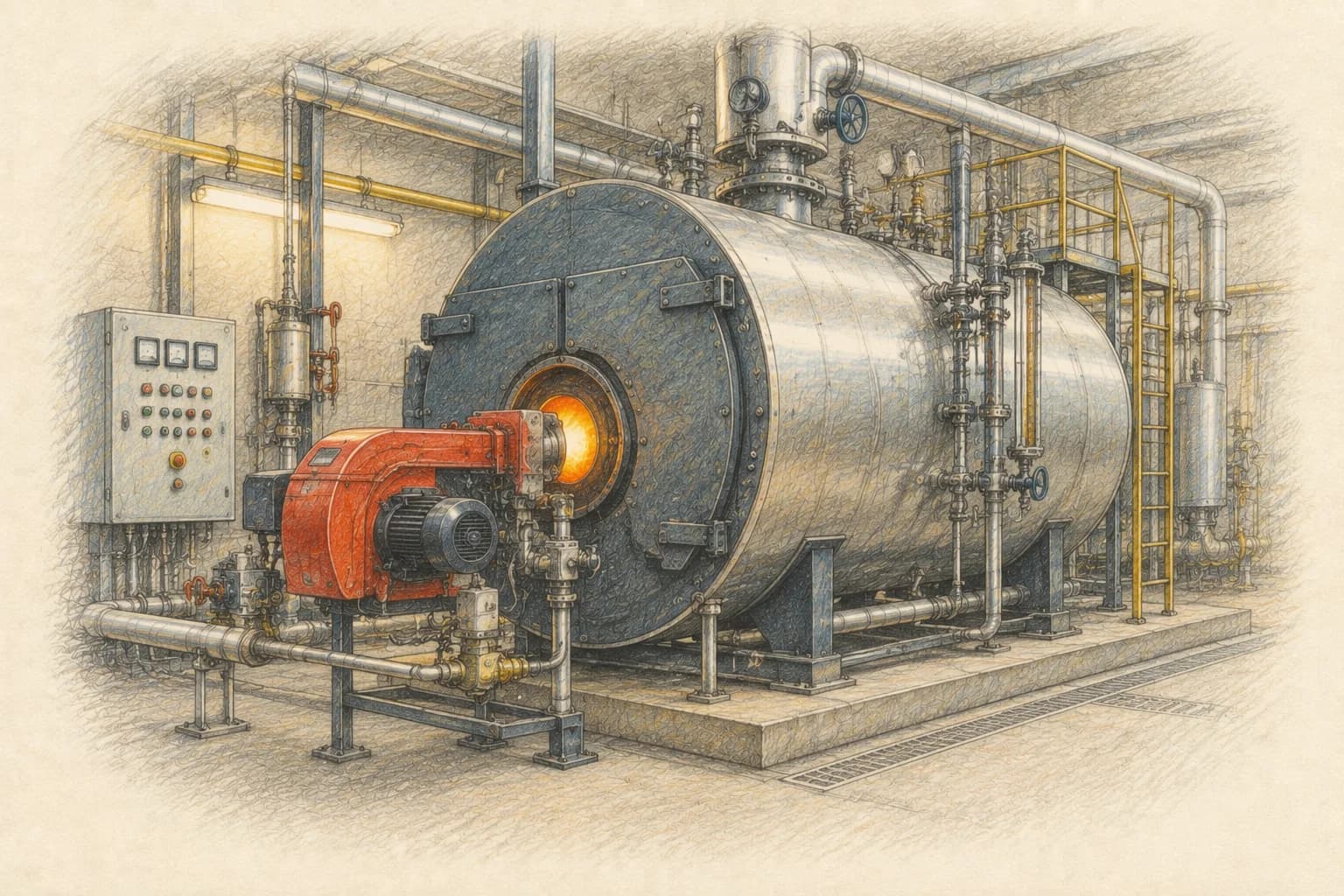
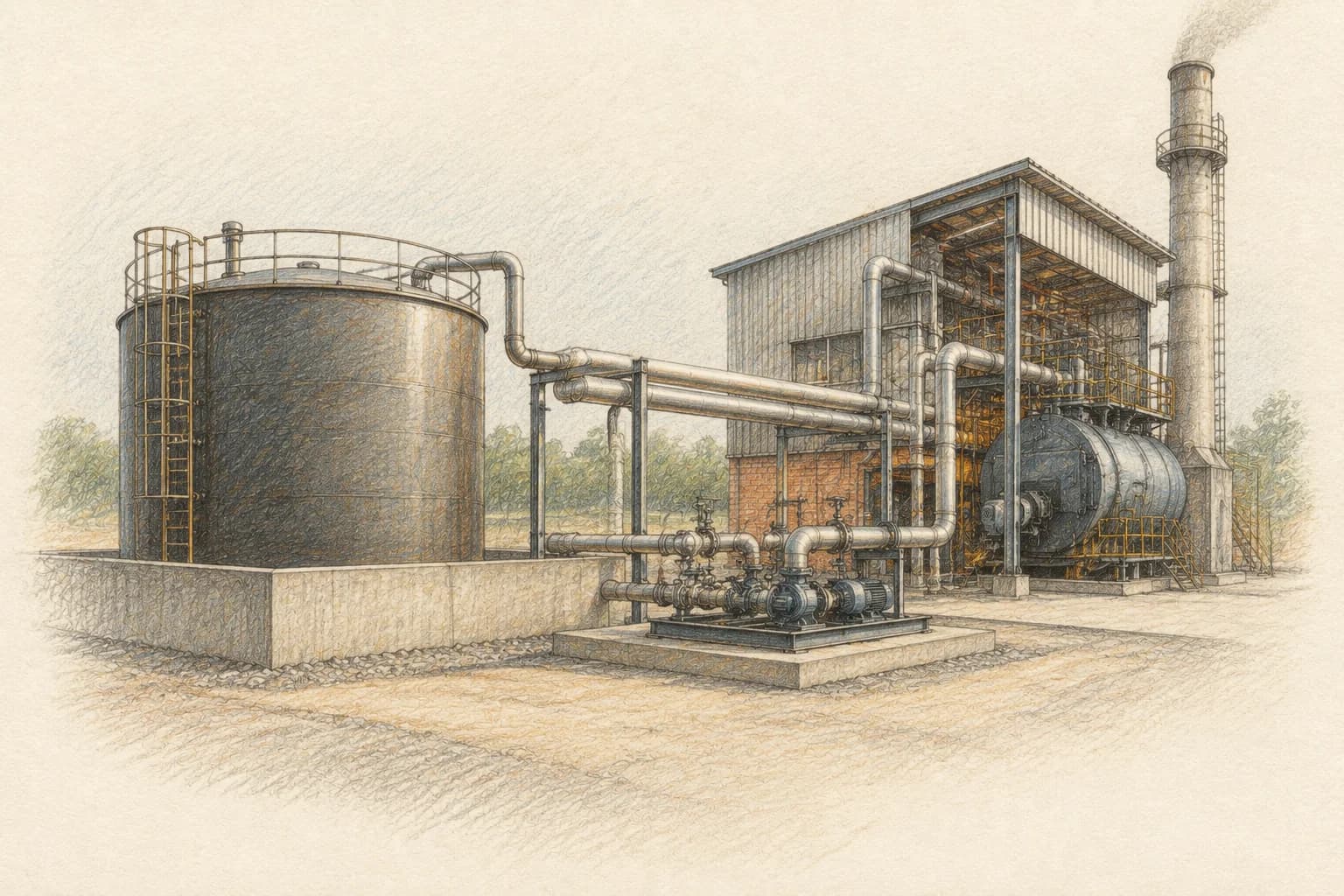
The heaviest grade of blended furnace oil, with a 370 cSt maximum viscosity at 50°C and a 4.5% sulphur limit. HV requires well-heated storage and transfer and is used in large boilers and furnaces.
The heaviest grade, at a maximum of 370 cSt at 50°C, and needs well-heated storage and transfer.
Identity
IS 1593 grade
HV
Viscosity
max. 370 cSt at 50°C
Sulphur
max. 4.5 mass %
Furnace oil · IS 1593 HVWhy Furnace oil HV
Large boilers and power plantsNeeds well-heated storage, transfer and burner preheating.
Supplied by viscosity classChoose LV, MV1, MV2 or HV to match the burner, pumping and heating capability of your plant.
Every batch verifiedEach delivery is tested against the agreed grade and reported on a Certificate of Analysis.
Bulk delivery to siteRoad tanker and bulk transfer into your storage, arranged around your consumption.
What Nuroil does on every order
Why source HV from Nuroil?
Every batch, verified
Certificate of Analysis with every shipment, confirming viscosity, sulphur, density and flash point against the grade ordered.
Supplied to your specification
Agree the grade, standard edition and required parameters before confirming your order.
Bunker-ready supply
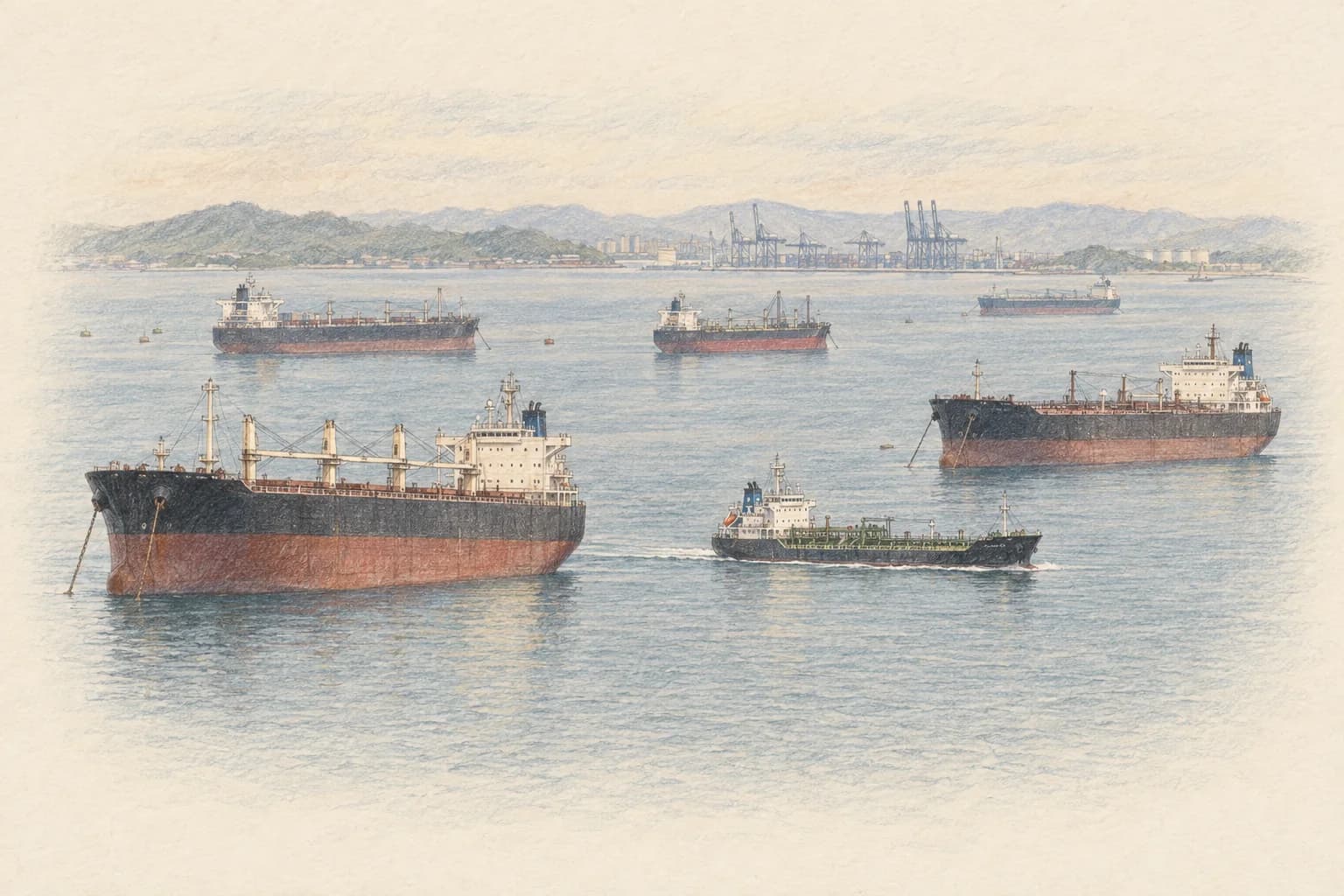
Vessel delivery at UAE ports and anchorages, or tanker and drum supply to industrial sites, matched to your schedule.
One desk, firm offers
Share the grade, quantity, delivery method and location. Our team replies with the offer within 24 hours.
02 TECHNICAL DATA
Catalogue specification.
Kinematic viscosity at 50°C, max
370 cStIS 1448 [P:25]
Sulphur, total, max
4.5 mass %IS 1448 [P:33]
Flash point (Pensky-Martens closed), min
66 °CIS 1448 [P:21]
Water content, max
1.0 volume %IS 1448 [P:40]
Sediment, max
0.25 mass %IS 1448 [P:30]
Ash, max
0.1 mass %IS 1448 [P:4]
Acidity, inorganic
NilIS 1448 [P:2]
Gross calorific value
Reported, not limitedIS 1448 [P:6]
Relative density at 15/15°C
Reported, not limitedIS 1448
Archived IS 1593 catalogue values. Confirm the specification for the offered product before ordering.
Property
LV
MV1
MV2
HV
Viscosity
max. 80 cSt at 50°C
max. 125 cSt at 50°C
max. 180 cSt at 50°C
max. 370 cSt at 50°C
Density at 15°C, max
—
—
—
—
Sulphur, max
3.5 mass %
4.0 mass %
4.0 mass %
4.5 mass %
Flash point, min
66 °C
66 °C
66 °C
66 °C
Water, max
1.0 volume %
1.0 volume %
1.0 volume %
1.0 volume %
Ash, max
0.1 mass %
0.1 mass %
0.1 mass %
0.1 mass %
Typical use
Low viscosity furnace oil
Medium viscosity furnace oil
Medium viscosity furnace oil
High viscosity furnace oil
03 HOW IT IS MADE
From refining to your storage tank.
Furnace oil comes from petroleum refining and is blended to a viscosity class.
01
Refining
Crude oil is refined into lighter fuels, leaving a heavy residue.
02
Blending
The residue is blended with lighter components to reach the LV, MV1, MV2 or HV viscosity class.
03
Testing
Each batch is tested for viscosity, sulphur, flash point, water and sediment against the agreed grade.
04
Delivery
The fuel is delivered to your tank by road tanker or bulk transfer, with the Certificate of Analysis.
04 APPLICATIONS
Where HV is used.
01
Large industrial boilers
Large boiler plants with heated storage, pumping and burner preheating.
02
Power generation
Thermal and engine-based power plants able to handle a heavy fuel.
03
Bulk transfer
Bulk delivery to the receiving tank. Confirm heating and unloading capability at site.
05 SAFETY & HANDLING
Heavy fuel oil. Handle hot, handle by the SDS.
A summary of the statements a typical heavy fuel oil SDS carries. It does not replace the SDS of the offered grade.
Danger
H332 Harmful if inhaled.
H350 May cause cancer.
H361d Suspected of damaging the unborn child.
H373 May cause damage to organs through prolonged or repeated exposure.
H410 Very toxic to aquatic life with long lasting effects.
UN
UN 3082, where applicable · per SDS
Class
9, environmentally hazardous · per SDS
01
Health
Harmful if inhaled; may cause cancer; suspected of damaging the unborn child; may damage organs through prolonged or repeated exposure (typical SDS). Avoid skin contact and breathing fumes.
02
Environment
Very toxic to aquatic life with long lasting effects. Contain spills and keep the fuel out of drains and water.
03
Hot product
The fuel is stored and transferred heated. Hot oil and lines cause burns; heat only to the temperature the system is designed for.
04
Hydrogen sulphide
Hydrogen sulphide can collect in tank headspace. Ventilate and test the atmosphere before entry.
05
Ignition sources
Observe the flash point, keep ignition sources away and follow the SDS for handling.
Plan heating and handling.
Keep itHeated and treated
Heavier grades need more care. Confirm these points against your plant.
Storage heatingMV and HV grades need heated storage and lines to stay pumpable, especially in cool weather.
Burner preheatingHeavier grades are preheated before the burner so the oil atomises properly.
Water and sedimentDrain storage tanks regularly; water and sediment cause burner problems.
SafetyObserve the flash point, keep ignition sources away and follow the SDS for handling.
Standards and regulatory reference.
HS code2710.19
UN numberUN 3082
IS 1593
Indian Standard for furnace oil. The catalogue table follows the 1982 edition and is an archived reference.
IS 1448
The methods of test cited beside each property, for example P:25 for kinematic viscosity and P:21 for flash point.
Local requirements
Confirm local emission and sulphur rules for your plant before ordering.
06 DELIVERY
Delivery format.
Delivery methods depend on the location, quantity and the receiving facilities. Confirm the arrangement for HV.
Large volumes
Road tanker
Delivery by heated or insulated road tanker to the receiving tank. Confirm unloading, heating and access at site.
Typical loads used for planning. Your offer confirms the exact packing and load for the product and source.
4road tankers
road tankers
4
Last road tanker
33% full
Minimum orderBy grade and delivery methodShip to ship, drums or bulk; confirmed with the quote
Bulk deliveryRoad tanker or bulk transferConfirm heating and unloading at site
DocumentsCoA with every deliveryBunker Delivery Note for bunkering; MSDS on request
07 BUYING THIS GRADE
Before you order.
01What is HV furnace oil used for?
It is a heavy fuel for industrial boilers, furnaces and kilns. Confirm the handling, heating and burner capability of your plant against the viscosity of the grade.
02Which standard do the values follow?
The values are the archived IS 1593 catalogue references. The specification for the offered product is agreed in the enquiry.
03What documents come with each delivery?
Every delivery includes a Certificate of Analysis. Certificate of Origin, MSDS and third-party inspection reports are available on request.
04How is furnace oil delivered?
Typically by road tanker or bulk transfer to the receiving tank. Share the receiving location and unloading arrangement so the team can confirm.
05What is the minimum order quantity?
MOQ depends on the grade, delivery method and location. Share your requirement and we will confirm feasibility with the quote.
06How do I choose between LV, MV1, MV2 and HV?
Match the viscosity class to the burner, pumping and heating capability at your plant. Lighter grades are easier to handle; heavier grades need more heating.
07Does the plant need heating for furnace oil?
Medium and high viscosity grades normally need heated storage and lines. Confirm with your equipment maker.
Share the grade, specification, quantity, delivery method and location. Our team replies with the offer within 24 hours. We reply with a firm FOB, CFR or CIF offer, usually within 24 hours.