Hydroxypropyl methylcellulose, HPMC, is a cellulose ether: natural cellulose with some of its hydroxyl groups replaced by methoxy and hydroxypropoxy groups. It dissolves in cold water to a clear, thick solution.
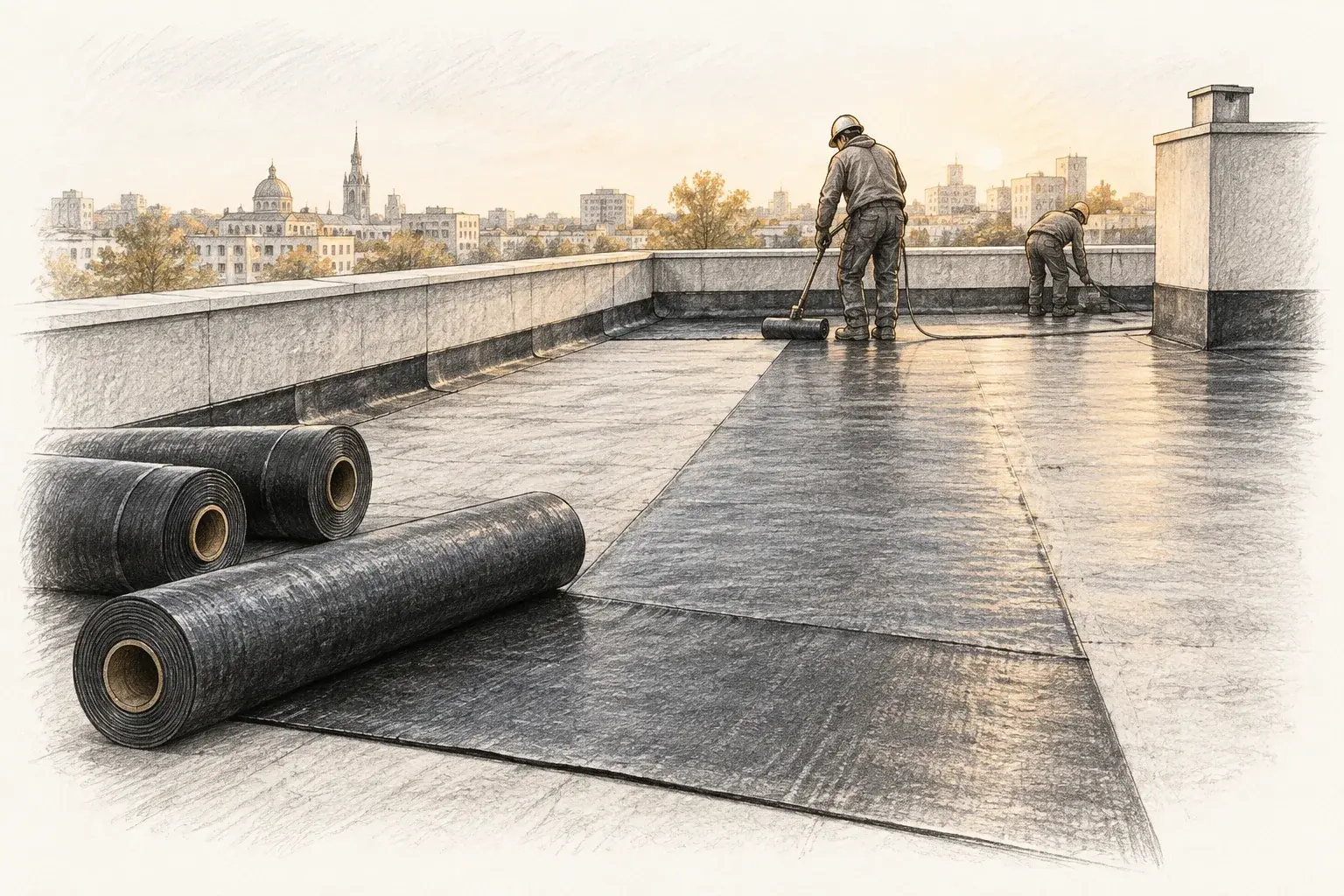
In cement and gypsum mortars a small dose holds water in the mix, so the binder cures properly on absorbent surfaces and in heat. It also thickens the mortar, improves workability and sag resistance, and lengthens open time. Grades are chosen mainly by viscosity.
Identity
Type
Cellulose ether
Molar mass
Polymer, by grade
CAS
9004-65-3
Hydroxypropyl methylcellulose · HPMCWhy HPMC
Holds water in the mixHigh water retention, so cement and gypsum cure fully on absorbent substrates and in hot weather.
Better workabilitySmoother, creamier mortar that spreads easily and resists sagging on walls.
Longer open timeTiles can be placed and adjusted for longer before the adhesive skins over.
Documented qualityEach offered batch comes with its Certificate of Analysis and safety data sheet.
What Nuroil does on every order
Why choose HPMC from Nuroil?
Checked against the batch CoA
Viscosity, moisture and fineness are reviewed on the batch certificate before loading.
Grade matched to your formula
Viscosity and surface treatment matched to your adhesive, putty or mortar.
Packed to stay dry
Lined multi-wall bags on pallets, because the powder takes up moisture.
One desk, firm offers
FOB, CFR or CIF from our Sharjah trade desk, usually within 24 hours.
02 TECHNICAL DATA
Technical specification.
Viscosity (2% solution, 20 °C)
By grade, e.g. 40,000, 75,000–100,000 or 150,000–200,000 mPa·sBrookfield or NDJ rotational
Methoxy content
19–24%Gas chromatography
Hydroxypropoxy content
4–12%Gas chromatography
Gel temperature
70–90 °CHeating of 0.2% solution
Moisture
5% maxLoss on drying
Ash
5% maxResidue on ignition
pH (1–2% solution)
5–8pH meter
Fineness
98% min through 80 mesh (some grades 100 mesh)Sieve analysis
Appearance
White to off-white powderVisual
01ABOUT 40,000 mPa·s
Putty and plasters
Wall putty, gypsum plasters and self-levelling compounds where easy spreading matters.
0275,000–100,000 mPa·s
Tile adhesives and renders
The common grade for cement tile adhesives, skim coats and renders.
03150,000–200,000 mPa·s
Highest water retention
For thin-bed adhesives, hot climates and high-sag-resistance mortars.
04SURFACE-TREATED
Delayed dissolving
Treated grades disperse without lumps and suit both dry-mix and site mixing.
Selection guidance Tell us the product you make, your current grade and its viscosity method, and we will confirm a matching grade.
Higher viscosity holds more water and thickens more; lower viscosity spreads more easily.
Property
About 40,000 mPa·s
75,000–100,000 mPa·s
150,000–200,000 mPa·s
Water retention
Good
High
Highest
Thickening and sag resistance
Moderate
High
Highest
Ease of spreading
Easiest
Good
Stiffer
Best suited to
Wall putty, gypsum plasters
Tile adhesives, skim coats, renders
Thin-bed adhesives, hot climates
03 HOW IT IS MADE
From cellulose to cellulose ether.
Refined cellulose from cotton linters or wood pulp is swollen with caustic soda and etherified with methyl chloride and propylene oxide. The crude ether is washed in hot water, dried, milled to size and, for many construction grades, surface-treated to delay dissolving.
01
Cellulose and alkali
Refined cellulose is treated with caustic soda to alkali cellulose.
02
Etherification
Methyl chloride and propylene oxide add methoxy and hydroxypropoxy groups.
03
Washing and drying
The product is washed in hot water, dried and milled to powder.
04
Testing and packing
Each batch is tested for viscosity and moisture and packed in lined bags.
04 APPLICATIONS
Where it works.
01
Tile adhesives
Water retention, open time and slip resistance in cement tile adhesives.
02
Wall putty and skim coats
Smooth spreading, no cracking and good finish on walls and ceilings.
03
Renders and plasters
Cement and gypsum plasters that stay workable and adhere well.
04
Dry-mix mortars
Masonry, repair and self-levelling mortars.
05
Grouts and joint fillers
Tile grouts and joint compounds with good water retention.
06
Paints and coatings
Thickener for water-based paints and textured coatings.
05 SAFETY & HANDLING
A low-hazard powder. Control the dust.
This summary does not replace the Safety Data Sheet. Review the SDS and site procedure before first handling.
Not classified
GHS Not classified as hazardous in most SDSs. Fine dust: avoid dust clouds and ignition sources.
UN
Not regulated
Transport
Not dangerous goods
01
Avoid breathing dust
Use dust extraction or a dust mask when emptying bags and dosing.
02
Dust can burn
Fine dust clouds can ignite; keep sources of ignition away and avoid dust build-up.
03
Slippery when wet
Spilled powder becomes very slippery with water; sweep it up dry.
04
Protect your eyes
Dust may irritate the eyes; wear safety glasses.
05
Exposure response
Rinse eyes with water; move to fresh air if dust is inhaled, and seek advice if irritation persists.
Keep it dry, keep it sealed.
Keep itDry and sealed
HPMC takes up moisture from the air, which can cause lumps and change its performance. Kept sealed in a dry, cool store it keeps well. Confirm the producer’s shelf life with the offer.
Keep bags closedReseal opened bags to keep moisture out.
Dry, covered storeOff the floor on pallets, out of rain and direct sun.
Away from heat and ignitionApart from heat sources and strong oxidisers.
First in, first outUse the oldest stock first and keep the batch label with each lot.
Plan documentation early.
HS code3912.39
CAS number9004-65-3
TransportNot regulated
GHS
Not classified as hazardous in most producer SDSs; combustible dust
Transport
Not regulated as dangerous goods
Product standards
Performance is tested in the finished mortar, for example EN 12004 for tile adhesives
National regulations
Confirm the destination’s chemical-import requirements
06 PACKING OPTIONS
Choose your packing.
Pack sizes and container loads depend on the producer; the offer confirms them.
Smaller orders
25 kg bags
Multi-wall paper bags with a polyethylene liner, for dry-mix plants and distributors.
It holds water in the mortar so the cement cures properly, thickens the mix so tiles do not slip, and lengthens open time so tiles can be placed and adjusted.
02Which viscosity should I use?
About 75,000–100,000 mPa·s suits most cement tile adhesives and skim coats; higher viscosity suits hot climates and thin-bed adhesives; lower viscosity suits putty and gypsum plasters.
03Why do viscosity figures differ between producers?
Viscosity depends on the instrument, spindle, speed and concentration. A Brookfield figure and an NDJ figure for the same product can differ widely, so compare grades on the same method.
04How much HPMC is used?
Typically about 0.2–0.5% of the dry mix, depending on the product and the other additives. Confirm the dose in your own formulation.
05What is the HS code?
HPMC is classified under HS 3912.39 (other cellulose ethers). Its CAS number is 9004-65-3.
06Is it dangerous goods?
No. HPMC is not regulated for transport and most producer SDSs do not classify it as hazardous. Fine dust can still burn, so control dust.
07What documents come with a shipment?
A Certificate of Analysis and Safety Data Sheet, with the Certificate of Origin as required.
Include the product you make, the viscosity and method, quantity and destination for a tailored offer. We reply with a firm FOB, CFR or CIF offer, usually within 24 hours.